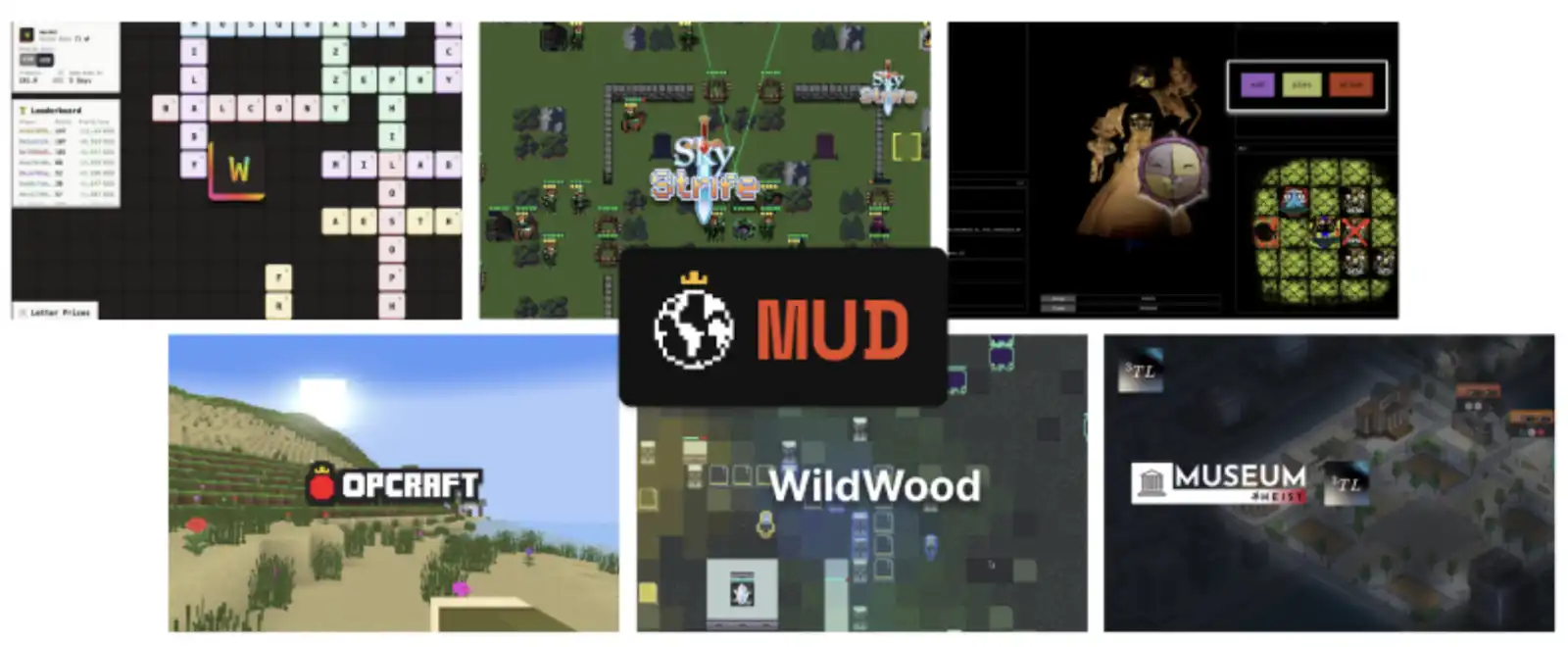
Autonomous World Engine (AWE): Empowering AI-driven World with Multi-Agent Simulation

By: blockbeats|2025/03/05 13:15:02
0
Share
copy

Source: AWE

Introduction

The concept of "Autonomous Worlds" (AW) in the Web3 space has undergone significant evolution. From its origins as a fully on-chain gaming environment—based on the blockchain's promises of transparency and immutability—it has now evolved into a grander vision: a sustainable ecosystem driven by tokenized AI agents that interact, adapt, and self-govern. This transformation reflects a deeper conception of the virtual world: transcending static rules and embracing dynamic emergent behavior driven by autonomous agents.

This article traces the redefinition of the AW concept, focusing on pioneering projects in the field, exploring the challenges of scaling multi-agent simulations, and innovative solutions, revealing the evolution from micro AI towns to mega AI metropolises.

Redefining Autonomous Worlds

Autonomous World Engine (AWE): Empowering AI-driven World with Multi-Agent Simulation

Early AW emphasized immutable states and decentralized logic, focusing on the blockchain's ability to eliminate centralized control. But true autonomy requires not only transparency but also the system's capacity for autonomous evolution. Today, AW should be understood as a sustainable environment with the following core features:

1. Decentralized control: No single authority dictates operations

2. Self-organizing capability: Agents dynamically build structures and adapt to change

3. Emergent behavior: Naturally occurring adaptive outcomes without predefined rules

Under this refined definition, AW is not just a persistent system but also a digital life form capable of autonomous operation, self-organization, and self-evolution, forming a dynamic ecosystem beyond scripted scenarios.

Pioneering Projects

Smallville (Stanford AI Town)
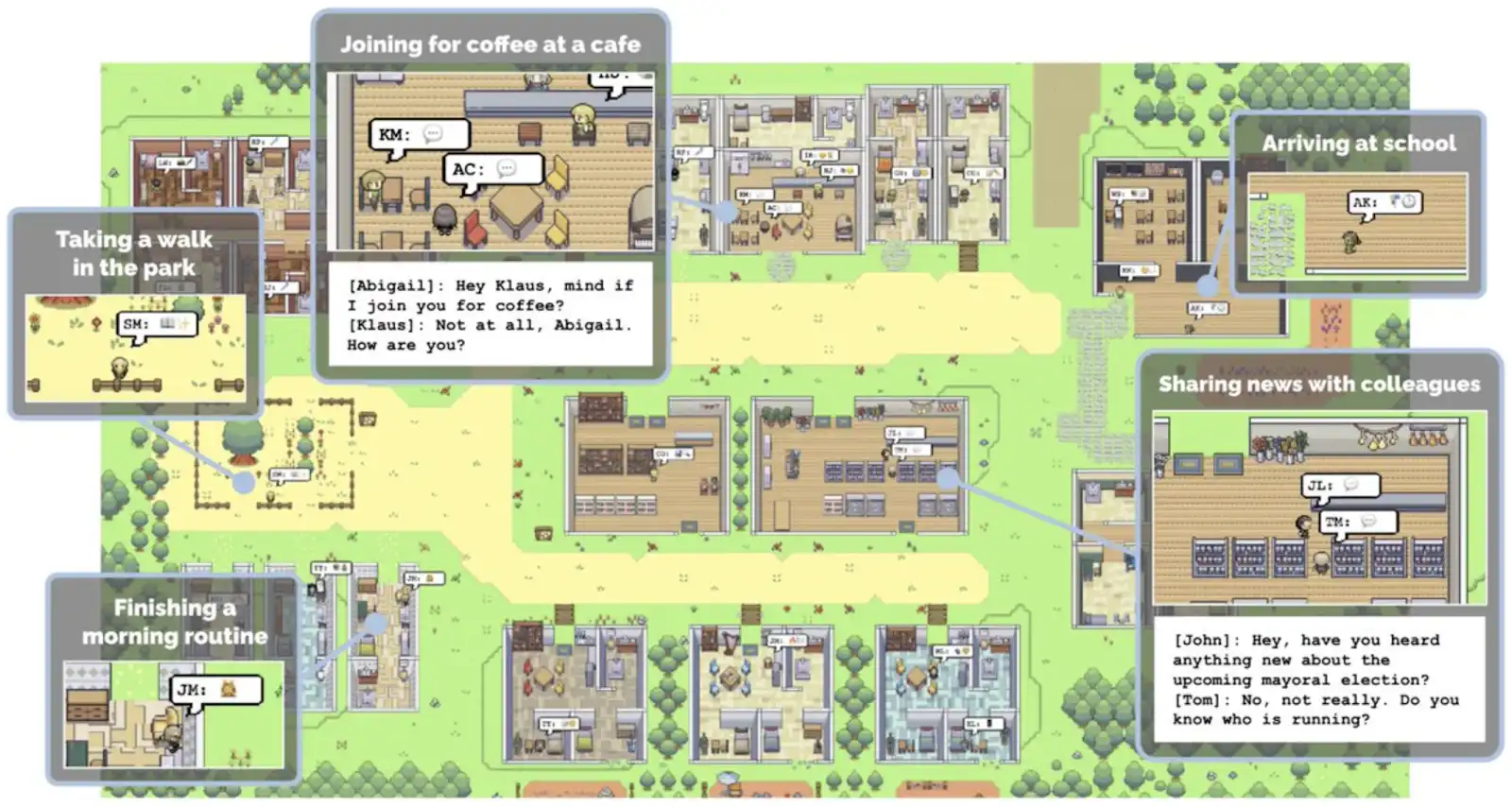
As one of the first sustainable AI-driven social simulation projects, Smallville has achieved significant breakthroughs. Its personified agents possess:

· Memory-based decision-making

· Organization of spontaneous activities (e.g., Valentine's Day party)

· Emergent social behaviors in the absence of explicit guidance
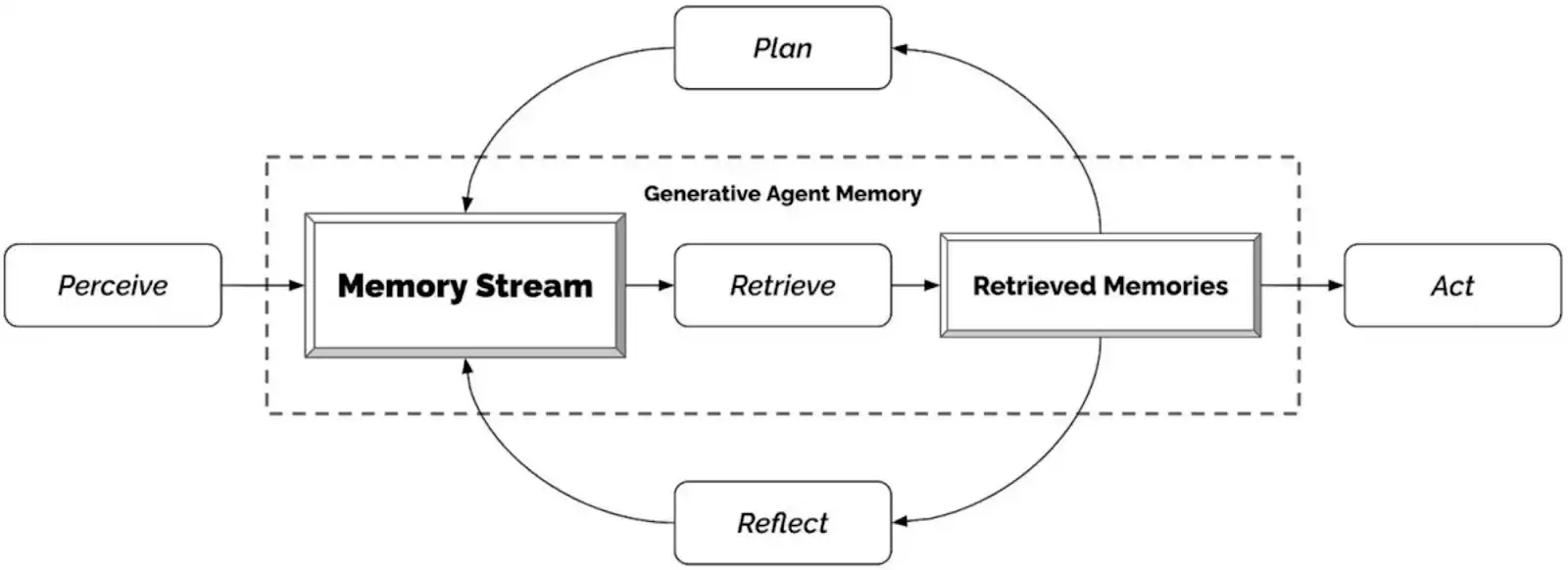
Through the fusion of memory and rational decision-making, Smallville has showcased the potential for large-scale autonomous social interactions.

Voyager (NVIDIA Minecraft Agent)

Voyager takes a different approach by deploying an LLM-driven Agent in the open world of Minecraft, with the following key highlights:

· Exploration-based learning without predefined goals

· Mastery of complex skills (crafting/navigation)

· Autonomous acquisition and application of knowledge
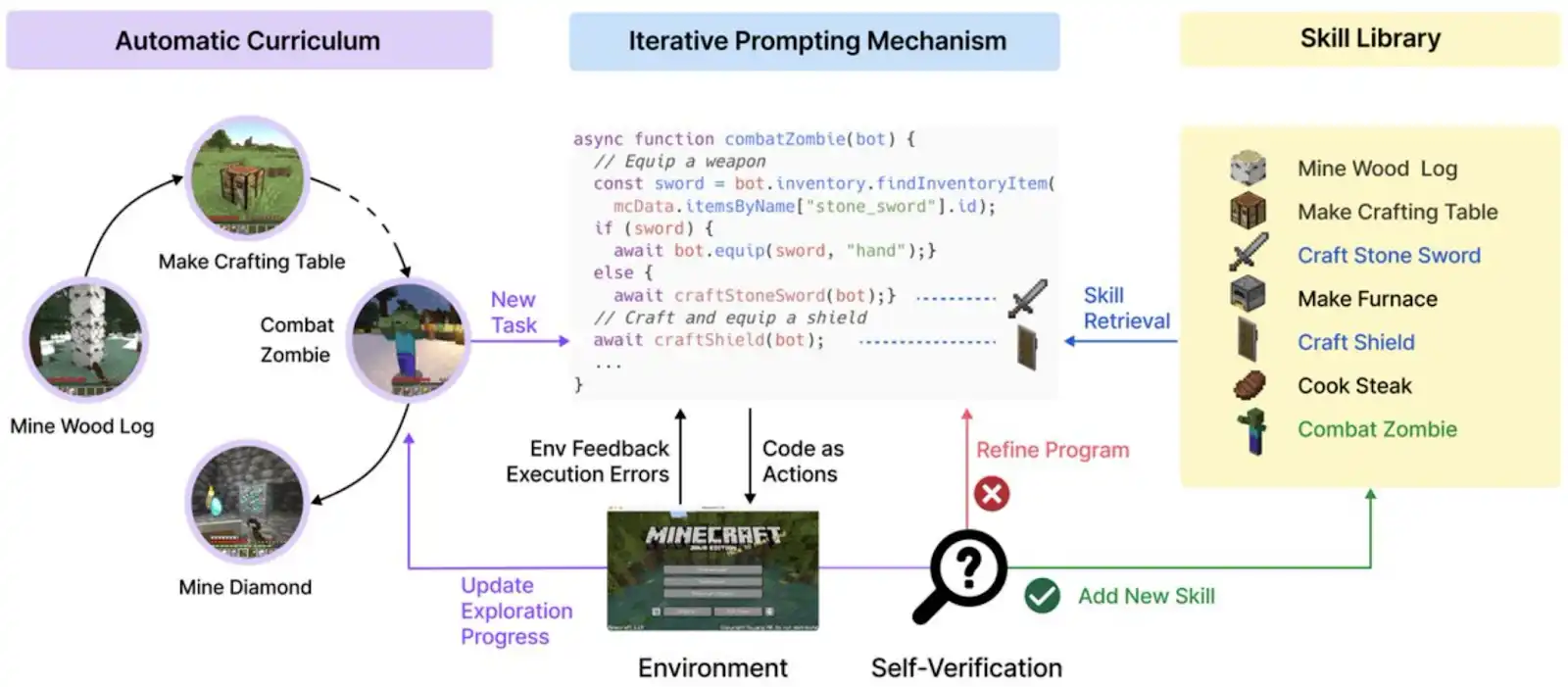
Through iterative prompting and a self-built skill library, Voyager has demonstrated the Agent's evolutionary capabilities in an unstructured environment, which has also been a key breakthrough in scalable autonomy.

Challenges of Scaling Autonomy in the World

While some pioneering projects have laid the groundwork, expanding AW to larger-scale complex systems still faces the following challenges:

· Inefficiency in cost: Running 25 Agents in Smallville consumes approximately $500 per day, with Voyager's single Agent costing even more

· Concurrent conflicts: Resource contention leads to system instability

· Stagnation of emergent behavior: Agents get stuck in repetitive loops (e.g., infinite farming) hindering development

· Autonomy validation: Centralized storage of prompts and memories undermines claims of decision-making independence

These challenges reveal a core paradox: AW must strike a balance between computational demands and decentralized commitment.

Analysis of Scalable Solutions

AI Town (a16z Development)

AI Town focuses on usability, providing a modular lightweight AW simulation platform with the following features:

· Modular architecture: Simplifying development for customization

· LLM-agnostic framework: Supporting multiple AI models

· Cloud-native deployment: Enabling rapid testing and iteration

· Community templates: Offering prefabricated starting points

By lowering the barriers, AI Town empowers developers to explore autonomous ecosystems.

Project Sid (Altera Development)
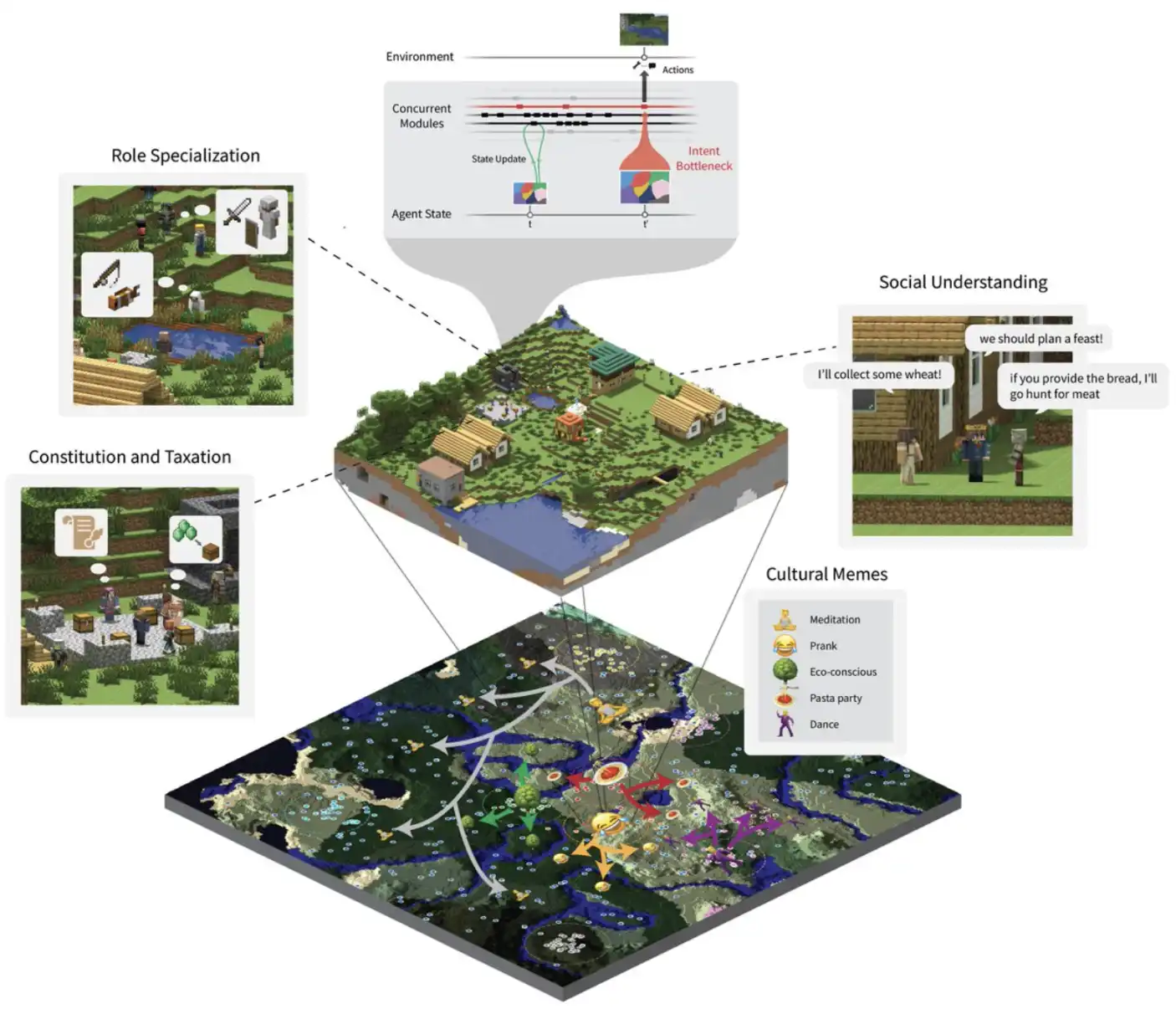
Project Sid Breakthrough: Supporting a self-organizing economic-political system with 1000+ Agents, featuring:

· Social Scaffold: Dynamically forming groups and making voting decisions

· Decentralized Arbitration: Consensus mechanism for conflict resolution

· Role Specialization: Autonomous task assignment

This solution has nurtured a non-hierarchical large-scale complex social structure.

AI Metropolis (developed by Zhiqiang Xie)

AI Metropolis addresses the cost-efficiency pain point, achieving large-scale simulation optimization through:

Randomized Execution: Skipping unnecessary interactions
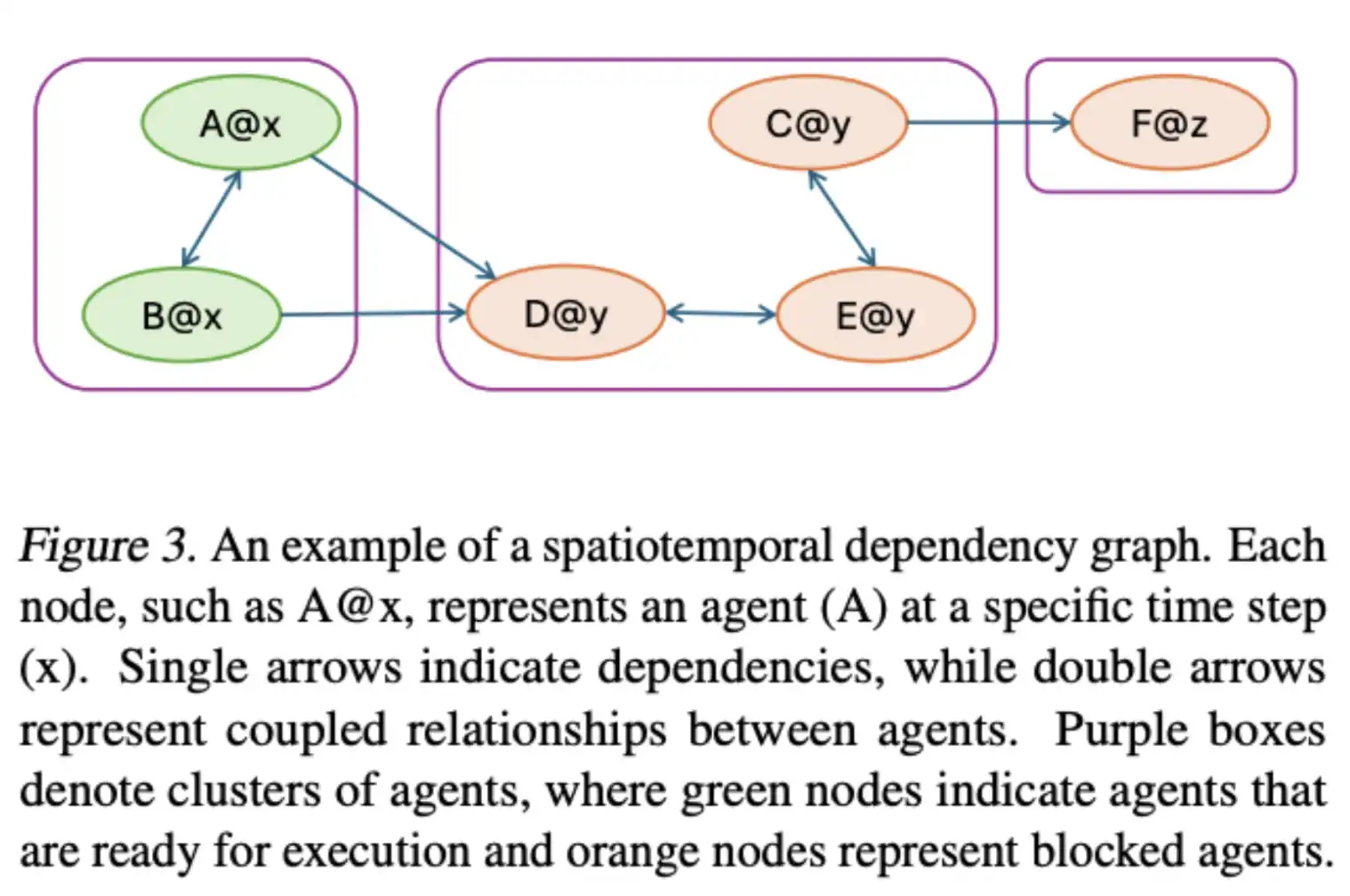
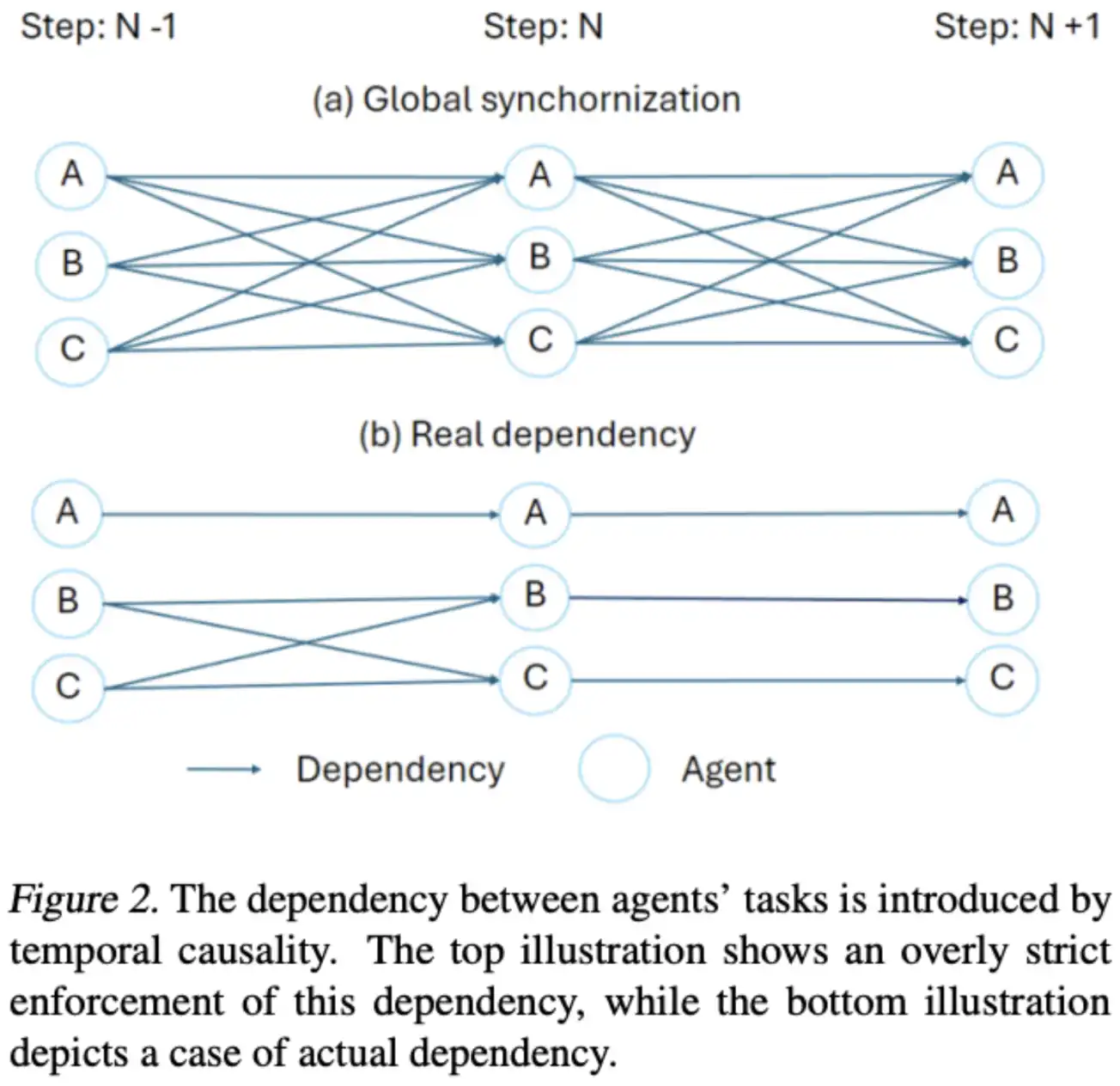
Dependency-Driven Parallel Execution: Asynchronous actions in non-dependent scenarios
Shared LLM Context: Reducing redundant computations
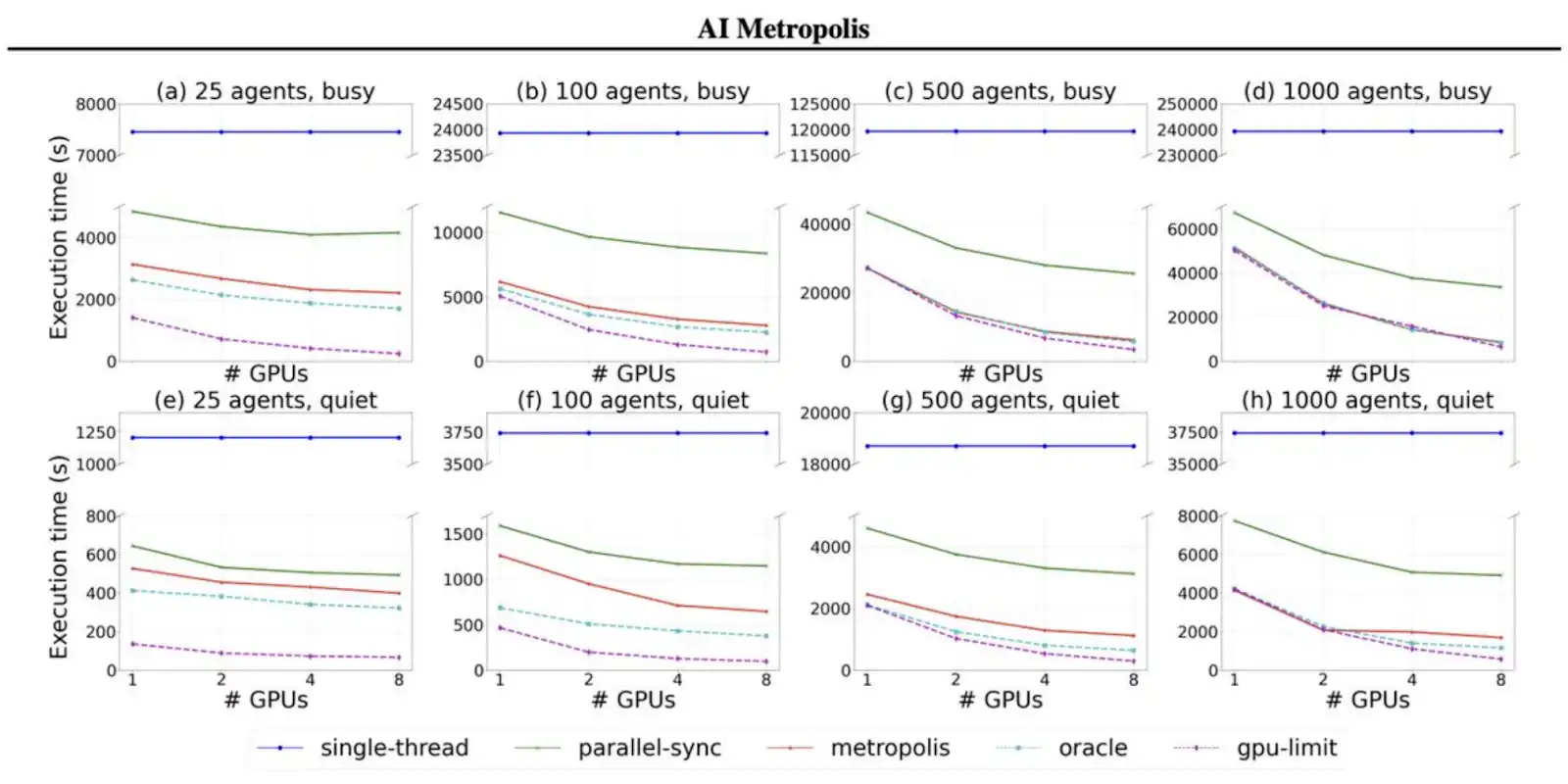
These technologies achieve a 4x cost reduction, making the thousand-agent simulation both practical and economical.
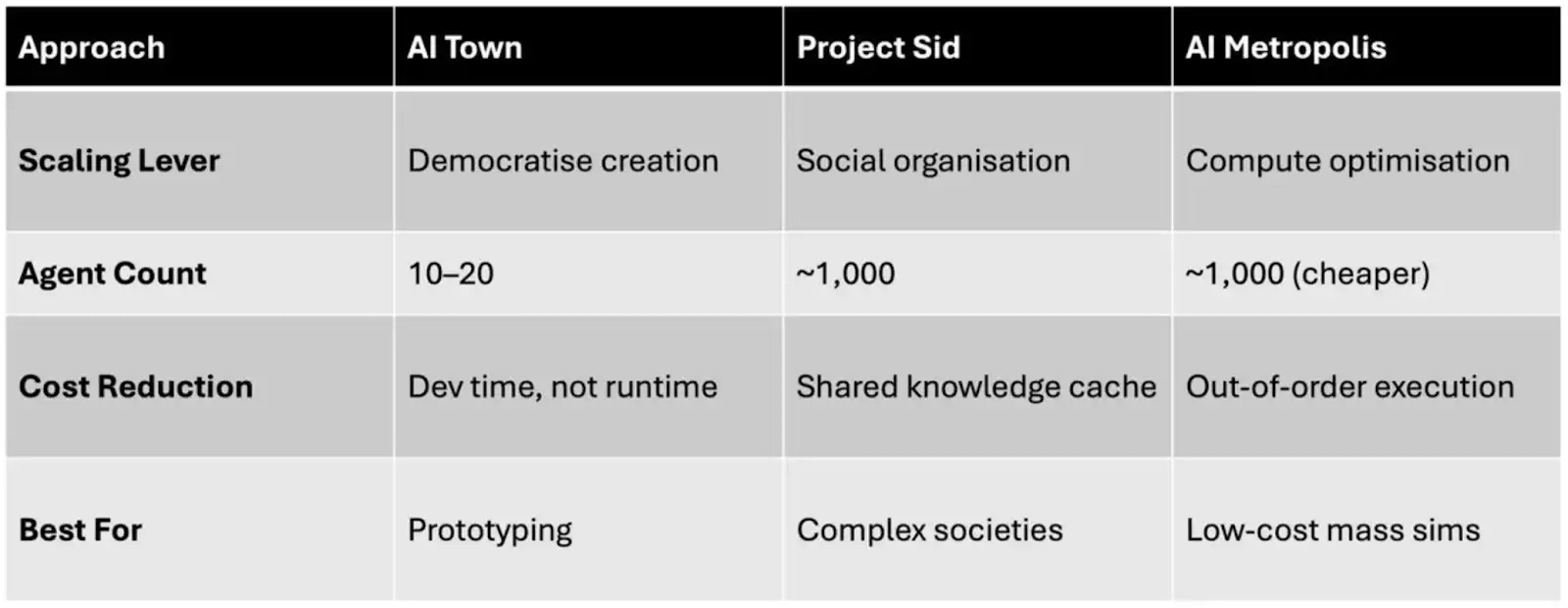
Scalability Scheme Comparative Analysis

Autonomous World Engine (AWE) Debuts

Scalable Multi-Agent Simulation Framework

The Autonomous World Engine (AWE) launched by SPT Network as a modular solution supports running thousands of autonomous Agents in a persistent digital environment. Through off-chain simulation, on-chain validation, and integration with the economic system, AWE ensures transparency, adaptability, and decentralization.

Technical Collaboration with Zhiqiang Xie

AWE strengthens performance through collaboration with AI Metropolis founder Zhiqiang Xie. Expertise in randomized execution, dependency tracking, and asynchronous Agent actions significantly reduces costs and improves performance, enabling AWE to seamlessly handle thousands of Agents.

Milestone: 1000-Agent Demonstration

AWE recently successfully showcased the operation of 1000 autonomous Agents in a dynamic evolutionary simulation, demonstrating that through thoughtful architecture design, large-scale AW can achieve a balance of efficiency, scalability, and cost-effectiveness.

AWE Core Features

· Multi-Agent Simulation: Achieving interactions at scale through parallel processing and dependency management

· Event-Driven Evolution: Triggering new behaviors through internal and external events, fostering emergent societies

· Blockchain Integration: Anchoring critical states and actions on-chain to ensure immutability

· Self-Governance Assurance: Encrypting Agent memory and decision-making to ensure tamper-resistant autonomy

AWE not only simulates AW but also lays the foundation for a fully on-chain decentralized AI society.

STP Network: A New Chapter in Branding

The STP Network is soon rebranding as the AWE Network, reflecting its focus on a scalable autonomous world. Serving as the infrastructure for multi-agent simulation, on-chain economy, and persistent AI environments, the AWE Network bridges AI and Web3, pioneering a new paradigm of governance, economic models, and digital experiences.

Future Outlook: Integration of AI and On-Chain Systems

The fusion of AI and blockchain unlocks transformative possibilities for AW:

Gaming Sector: AI-driven NPCs constructing emergent narratives in an on-chain world

DeSci: AI city simulations for pandemics/economic policies

On-Chain Economy: AI agents autonomously trading, managing DAOs, participating in DeFi

As AI Town lowers entry barriers, Project Sid enables governance innovation, and AI Metropolis breaks cost barriers, the next leap will fully integrate these advancements into on-chain systems.

The Autonomous World is the Future

From isolated AI experiments to thriving digital metropolises, AW signifies a paradigm shift in virtual environments. As Web3 and AI converge deeply, we stand at the forefront of a decentralized autonomous world. The clear mission is to enhance infrastructure and unleash limitless potential.

The autonomous world is not just possible—it is inevitable.

This article is a contributed submission and does not represent the views of BlockBeats

You may also like

Token Cannot Compound, Where Is the Real Investment Opportunity?

The next chapter in the crypto industry will undoubtedly be written by Crypto-empowered Stocks.

February 6th Market Key Intelligence, How Much Did You Miss?

1. On-chain Flows: $508.2M USD inflow to Ethereum today; $390.8M USD outflow from Arbitrum 2. Biggest Gainers/Losers: $HBTC, $AIO 3. Top News: Current Bitcoin weekly RSI oversold signal comparable to June 2022

China's Central Bank and Eight Other Departments' Latest Regulatory Focus: Key Attention to RWA Tokenized Asset Risk


Foreword: Today, the People's Bank of China's website published the "Notice of the People's Bank of China, National Development and Reform Commission, Ministry of Industry and Information Technology, Ministry of Public Security, State Administration for Market Regulation, China Banking and Insurance Regulatory Commission, China Securities Regulatory Commission, State Administration of Foreign Exchange on Further Preventing and Dealing with Risks Related to Virtual Currency and Others (Yinfa [2026] No. 42)", the latest regulatory requirements from the eight departments including the central bank, which are basically consistent with the regulatory requirements of recent years. The main focus of the regulation is on speculative activities such as virtual currency trading, exchanges, ICOs, overseas platform services, and this time, regulatory oversight of RWA has been added, explicitly prohibiting RWA tokenization, stablecoins (especially those pegged to the RMB). The following is the full text:


To the people's governments of all provinces, autonomous regions, and municipalities directly under the Central Government, the Xinjiang Production and Construction Corps:


  Recently, there have been speculative activities related to virtual currency and Real-World Assets (RWA) tokenization, disrupting the economic and financial order and jeopardizing the property security of the people. In order to further prevent and address the risks related to virtual currency and Real-World Assets tokenization, effectively safeguard national security and social stability, in accordance with the "Law of the People's Republic of China on the People's Bank of China," "Law of the People's Republic of China on Commercial Banks," "Securities Law of the People's Republic of China," "Law of the People's Republic of China on Securities Investment Funds," "Law of the People's Republic of China on Futures and Derivatives," "Cybersecurity Law of the People's Republic of China," "Regulations of the People's Republic of China on the Administration of Renminbi," "Regulations on Prevention and Disposal of Illegal Fundraising," "Regulations of the People's Republic of China on Foreign Exchange Administration," "Telecommunications Regulations of the People's Republic of China," and other provisions, after reaching consensus with the Cyberspace Administration of China, the Supreme People's Court, and the Supreme People's Procuratorate, and with the approval of the State Council, the relevant matters are notified as follows:


  I. Clarify the essential attributes of virtual currency, Real-World Assets tokenization, and related business activities


  (I) Virtual currency does not possess the legal status equivalent to fiat currency. Virtual currencies such as Bitcoin, Ether, Tether, etc., have the main characteristics of being issued by non-monetary authorities, using encryption technology and distributed ledger or similar technology, existing in digital form, etc. They do not have legal tender status, should not and cannot be circulated and used as currency in the market.


  The business activities related to virtual currency are classified as illegal financial activities. The exchange of fiat currency and virtual currency within the territory, exchange of virtual currencies, acting as a central counterparty in buying and selling virtual currencies, providing information intermediary and pricing services for virtual currency transactions, token issuance financing, and trading of virtual currency-related financial products, etc., fall under illegal financial activities, such as suspected illegal issuance of token vouchers, unauthorized public issuance of securities, illegal operation of securities and futures business, illegal fundraising, etc., are strictly prohibited across the board and resolutely banned in accordance with the law. Overseas entities and individuals are not allowed to provide virtual currency-related services to domestic entities in any form.


  A stablecoin pegged to a fiat currency indirectly fulfills some functions of the fiat currency in circulation. Without the consent of relevant authorities in accordance with the law and regulations, any domestic or foreign entity or individual is not allowed to issue a RMB-pegged stablecoin overseas.


(II)Tokenization of Real-World Assets refers to the use of encryption technology and distributed ledger or similar technologies to transform ownership rights, income rights, etc., of assets into tokens (tokens) or other interests or bond certificates with token (token) characteristics, and carry out issuance and trading activities.


  Engaging in the tokenization of real-world assets domestically, as well as providing related intermediary, information technology services, etc., which are suspected of illegal issuance of token vouchers, unauthorized public offering of securities, illegal operation of securities and futures business, illegal fundraising, and other illegal financial activities, shall be prohibited; except for relevant business activities carried out with the approval of the competent authorities in accordance with the law and regulations and relying on specific financial infrastructures. Overseas entities and individuals are not allowed to illegally provide services related to the tokenization of real-world assets to domestic entities in any form.


  II. Sound Work Mechanism


  (III) Inter-agency Coordination. The People's Bank of China, together with the National Development and Reform Commission, the Ministry of Industry and Information Technology, the Ministry of Public Security, the State Administration for Market Regulation, the China Banking and Insurance Regulatory Commission, the China Securities Regulatory Commission, the State Administration of Foreign Exchange, and other departments, will improve the work mechanism, strengthen coordination with the Cyberspace Administration of China, the Supreme People's Court, and the Supreme People's Procuratorate, coordinate efforts, and overall guide regions to carry out risk prevention and disposal of virtual currency-related illegal financial activities.


  The China Securities Regulatory Commission, together with the National Development and Reform Commission, the Ministry of Industry and Information Technology, the Ministry of Public Security, the People's Bank of China, the State Administration for Market Regulation, the China Banking and Insurance Regulatory Commission, the State Administration of Foreign Exchange, and other departments, will improve the work mechanism, strengthen coordination with the Cyberspace Administration of China, the Supreme People's Court, and the Supreme People's Procuratorate, coordinate efforts, and overall guide regions to carry out risk prevention and disposal of illegal financial activities related to the tokenization of real-world assets.


  (IV) Strengthening Local Implementation. The people's governments at the provincial level are overall responsible for the prevention and disposal of risks related to virtual currencies and the tokenization of real-world assets in their respective administrative regions. The specific leading department is the local financial regulatory department, with participation from branches and dispatched institutions of the State Council's financial regulatory department, telecommunications regulators, public security, market supervision, and other departments, in coordination with cyberspace departments, courts, and procuratorates, to improve the normalization of the work mechanism, effectively connect with the relevant work mechanisms of central departments, form a cooperative and coordinated working pattern between central and local governments, effectively prevent and properly handle risks related to virtual currencies and the tokenization of real-world assets, and maintain economic and financial order and social stability.


  III. Strengthened Risk Monitoring, Prevention, and Disposal


  (5) Enhanced Risk Monitoring. The People's Bank of China, China Securities Regulatory Commission, National Development and Reform Commission, Ministry of Industry and Information Technology, Ministry of Public Security, State Administration of Foreign Exchange, Cyberspace Administration of China, and other departments continue to improve monitoring techniques and system support, enhance cross-departmental data analysis and sharing, establish sound information sharing and cross-validation mechanisms, promptly grasp the risk situation of activities related to virtual currency and real-world asset tokenization. Local governments at all levels give full play to the role of local monitoring and early warning mechanisms. Local financial regulatory authorities, together with branches and agencies of the State Council's financial regulatory authorities, as well as departments of cyberspace and public security, ensure effective connection between online monitoring, offline investigation, and fund tracking, efficiently and accurately identify activities related to virtual currency and real-world asset tokenization, promptly share risk information, improve early warning information dissemination, verification, and rapid response mechanisms.


  (6) Strengthened Oversight of Financial Institutions, Intermediaries, and Technology Service Providers. Financial institutions (including non-bank payment institutions) are prohibited from providing account opening, fund transfer, and clearing services for virtual currency-related business activities, issuing and selling financial products related to virtual currency, including virtual currency and related financial products in the scope of collateral, conducting insurance business related to virtual currency, or including virtual currency in the scope of insurance liability. Financial institutions (including non-bank payment institutions) are prohibited from providing custody, clearing, and settlement services for unauthorized real-world asset tokenization-related business and related financial products. Relevant intermediary institutions and information technology service providers are prohibited from providing intermediary, technical, or other services for unauthorized real-world asset tokenization-related businesses and related financial products.


  (7) Enhanced Management of Internet Information Content and Access. Internet enterprises are prohibited from providing online business venues, commercial displays, marketing, advertising, or paid traffic diversion services for virtual currency and real-world asset tokenization-related business activities. Upon discovering clues of illegal activities, they should promptly report to relevant departments and provide technical support and assistance for related investigations and inquiries. Based on the clues transferred by the financial regulatory authorities, the cyberspace administration, telecommunications authorities, and public security departments should promptly close and deal with websites, mobile applications (including mini-programs), and public accounts engaged in virtual currency and real-world asset tokenization-related business activities in accordance with the law.


  (8) Strengthened Entity Registration and Advertisement Management. Market supervision departments strengthen entity registration and management, and enterprise and individual business registrations must not contain terms such as "virtual currency," "virtual asset," "cryptocurrency," "crypto asset," "stablecoin," "real-world asset tokenization," or "RWA" in their names or business scopes. Market supervision departments, together with financial regulatory authorities, legally enhance the supervision of advertisements related to virtual currency and real-world asset tokenization, promptly investigating and handling relevant illegal advertisements.


  (IX) Continued Rectification of Virtual Currency Mining Activities. The National Development and Reform Commission, together with relevant departments, strictly controls virtual currency mining activities, continuously promotes the rectification of virtual currency mining activities. The people's governments of various provinces take overall responsibility for the rectification of "mining" within their respective administrative regions. In accordance with the requirements of the National Development and Reform Commission and other departments in the "Notice on the Rectification of Virtual Currency Mining Activities" (NDRC Energy-saving Building [2021] No. 1283) and the provisions of the "Guidance Catalog for Industrial Structure Adjustment (2024 Edition)," a comprehensive review, investigation, and closure of existing virtual currency mining projects are conducted, new mining projects are strictly prohibited, and mining machine production enterprises are strictly prohibited from providing mining machine sales and other services within the country.


  (X) Severe Crackdown on Related Illegal Financial Activities. Upon discovering clues to illegal financial activities related to virtual currency and the tokenization of real-world assets, local financial regulatory authorities, branches of the State Council's financial regulatory authorities, and other relevant departments promptly investigate, determine, and properly handle the issues in accordance with the law, and seriously hold the relevant entities and individuals legally responsible. Those suspected of crimes are transferred to the judicial authorities for processing according to the law.


 (XI) Severe Crackdown on Related Illegal and Criminal Activities. The Ministry of Public Security, the People's Bank of China, the State Administration for Market Regulation, the China Banking and Insurance Regulatory Commission, the China Securities Regulatory Commission, as well as judicial and procuratorial organs, in accordance with their respective responsibilities, rigorously crack down on illegal and criminal activities related to virtual currency, the tokenization of real-world assets, such as fraud, money laundering, illegal business operations, pyramid schemes, illegal fundraising, and other illegal and criminal activities carried out under the guise of virtual currency, the tokenization of real-world assets, etc.


  (XII) Strengthen Industry Self-discipline. Relevant industry associations should enhance membership management and policy advocacy, based on their own responsibilities, advocate and urge member units to resist illegal financial activities related to virtual currency and the tokenization of real-world assets. Member units that violate regulatory policies and industry self-discipline rules are to be disciplined in accordance with relevant self-regulatory management regulations. By leveraging various industry infrastructure, conduct risk monitoring related to virtual currency, the tokenization of real-world assets, and promptly transfer issue clues to relevant departments.


  IV. Strict Supervision of Domestic Entities Engaging in Overseas Business Activities


(XIII) Without the approval of relevant departments in accordance with the law and regulations, domestic entities and foreign entities controlled by them may not issue virtual currency overseas.


  (XIV) Domestic entities engaging directly or indirectly in overseas external debt-based tokenization of real-world assets, or conducting asset securitization activities abroad based on domestic ownership rights, income rights, etc. (hereinafter referred to as domestic equity), should be strictly regulated in accordance with the principles of "same business, same risk, same rules." The National Development and Reform Commission, the China Securities Regulatory Commission, the State Administration of Foreign Exchange, and other relevant departments regulate it according to their respective responsibilities. For other forms of overseas real-world asset tokenization activities based on domestic equity by domestic entities, the China Securities Regulatory Commission, together with relevant departments, supervise according to their division of responsibilities. Without the consent and filing of relevant departments, no unit or individual may engage in the above-mentioned business.


  (15) Overseas subsidiaries and branches of domestic financial institutions providing Real World Asset Tokenization-related services overseas shall do so legally and prudently. They shall have professional personnel and systems in place to effectively mitigate business risks, strictly implement customer onboarding, suitability management, anti-money laundering requirements, and incorporate them into the domestic financial institutions' compliance and risk management system. Intermediaries and information technology service providers offering Real World Asset Tokenization services abroad based on domestic equity or conducting Real World Asset Tokenization business in the form of overseas debt for domestic entities directly or indirectly venturing abroad must strictly comply with relevant laws and regulations. They should establish and improve relevant compliance and internal control systems in accordance with relevant normative requirements, strengthen business and risk control, and report the business developments to the relevant regulatory authorities for approval or filing.


  V. Strengthen Organizational Implementation


  (16) Strengthen organizational leadership and overall coordination. All departments and regions should attach great importance to the prevention of risks related to virtual currencies and Real World Asset Tokenization, strengthen organizational leadership, clarify work responsibilities, form a long-term effective working mechanism with centralized coordination, local implementation, and shared responsibilities, maintain high pressure, dynamically monitor risks, effectively prevent and mitigate risks in an orderly and efficient manner, legally protect the property security of the people, and make every effort to maintain economic and financial order and social stability.


  (17) Widely carry out publicity and education. All departments, regions, and industry associations should make full use of various media and other communication channels to disseminate information through legal and policy interpretation, analysis of typical cases, and education on investment risks, etc. They should promote the illegality and harm of virtual currencies and Real World Asset Tokenization-related businesses and their manifestations, fully alert to potential risks and hidden dangers, and enhance public awareness and identification capabilities for risk prevention.


  VI. Legal Responsibility


  (18) Engaging in illegal financial activities related to virtual currencies and Real World Asset Tokenization in violation of this notice, as well as providing services for virtual currencies and Real World Asset Tokenization-related businesses, shall be punished in accordance with relevant regulations. If it constitutes a crime, criminal liability shall be pursued according to the law. For domestic entities and individuals who knowingly or should have known that overseas entities illegally provided virtual currency or Real World Asset Tokenization-related services to domestic entities and still assisted them, relevant responsibilities shall be pursued according to the law. If it constitutes a crime, criminal liability shall be pursued according to the law.


  (19) If any unit or individual invests in virtual currencies, Real World Asset Tokens, and related financial products against public order and good customs, the relevant civil legal actions shall be invalid, and any resulting losses shall be borne by them. If there are suspicions of disrupting financial order and jeopardizing financial security, the relevant departments shall deal with them according to the law.


  This notice shall enter into force upon the date of its issuance. The People's Bank of China and ten other departments' "Notice on Further Preventing and Dealing with the Risks of Virtual Currency Trading Speculation" (Yinfa [2021] No. 237) is hereby repealed.


Former Partner's Perspective on Multicoin: Kyle's Exit, But the Game He Left Behind Just Getting Started

Kyle knew his game, so he decided to focus on playing the game he was good at and interested in.

Why Bitcoin Is Falling Now: The Real Reasons Behind BTC's Crash & WEEX's Smart Profit Playbook

Bitcoin's ongoing crash explained: Discover the 5 hidden triggers behind BTC's plunge & how WEEX's Auto Earn and Trade to Earn strategies help traders profit from crypto market volatility.

Wall Street's Hottest Trades See Exodus

This time there is no single triggering factor, but rather market anxiety about asset valuation, with many already skeptical of these valuations being too high, leading to investors choosing to retreat almost simultaneously.

Popular coins

Latest Crypto News

Read more