
The Radical "Trump Cryptocurrency Task Force"

Original Article Title: "The Radical 'Trump Cryptocurrency Squad'"
Original Article Author: Zhou Zhou, Foresight News
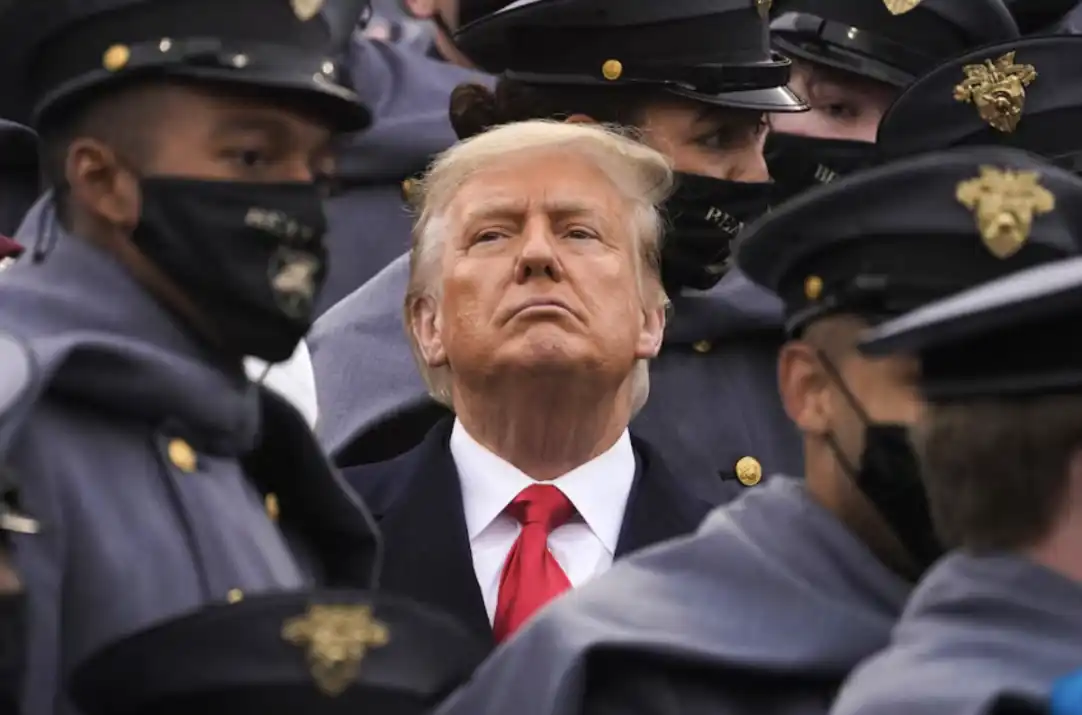
First, there were the "Silicon Valley Eight Traitors," and now we have the Trump "White House Eight Generals." The former pioneered a era of technological innovation in America, while the latter is currently making waves in the cryptocurrency industry.
Unlike the "crypto strict regulation" style of the Biden administration, the "crypto-friendly wind" of the Trump era is blowing across every corner of the American political and business landscape. The "Crypto Cryptocurrency Team" assembled by Trump is a group of government officials who staunchly support cryptocurrency, with some even being described as radical.
This is also related to the backgrounds of the "Cryptocurrency Squad" members themselves. They are either well-known members of the PayPal Mafia in Silicon Valley, or they are the most prominent cryptocurrency supporters in the SEC and CFTC.
Trump's own "record" and "influence" in cryptocurrency are traceable. From November 2024 to the present, he has led three major bull runs. In November 2024, a month after Trump won the election, the entire cryptocurrency market, including the altcoin market, surged for a whole month; on January 18, 2025 (just two days before Trump officially took over the presidency), Trump announced the launch of a memecoin called Trump, which reached a market cap of $800 billion in three days, causing the entire cryptocurrency market to be "drained," with all cryptocurrencies except Trump plummeting on that day. Later, Trump's wife also issued a memecoin, marking a key turning point from the market's peak to decline.
Then, this month (March 2), Trump once again made a move by announcing the advancement of BTC, ETH, Sol, ADA, and XRP into national reserves. Within one day, BTC and other cryptocurrencies once again rose across the board, ending a week of continuous decline. After the news hype subsided, the cryptocurrency market once again cooled off. It can be said that almost every time the Trump team released news, it had a significant impact on the cryptocurrency market.
The "Cryptocurrency Squad" behind Trump is undoubtedly skilled in playing the cryptocurrency game. Not only are they in high positions of power, serving as top decision-makers in various important positions in the United States, but their attitude towards cryptocurrency is very clear, even radical. It is foreseeable that they will continue to have a direct and significant impact on the development of the entire cryptocurrency industry in 2025 and even the next four years.
Seizing this opportunity, I have compiled a list of eight key figures close to Trump who are currently and will continue to have a direct and important impact on the cryptocurrency industry. They are cryptocurrency czar David Sacks, SEC Acting Chairman Mark T. Uyeda, SEC Chairman Paul Atkins, Crypto Mom Hester Peirce, CFTC Acting Chairman Brian Quintenz, Treasury Secretary Scott Bessent, Commerce Secretary Howard Lutnick, and Vice President JD Vance.
Crypto Czar David Sacks: Bitcoin Has the Potential to Become the Next Generation Internet
David Sacks is a key proponent of the upcoming White House's first crypto summit scheduled for March 7.
David Sacks is one of the most crucial figures in the Trump Crypto Stewardship. On January 23, 2025, Trump signed an executive order establishing the "President's Digital Asset Market Working Group," which is led by David Sacks.
On December 5, 2024, Trump announced via his Truth Social platform that David Sacks would serve as the "White House AI and Cryptocurrency Czar." In the announcement, Trump stated that David Sacks would "guide the government on policies related to artificial intelligence and cryptocurrency" and "work to make the U.S. a global leader in both fields."
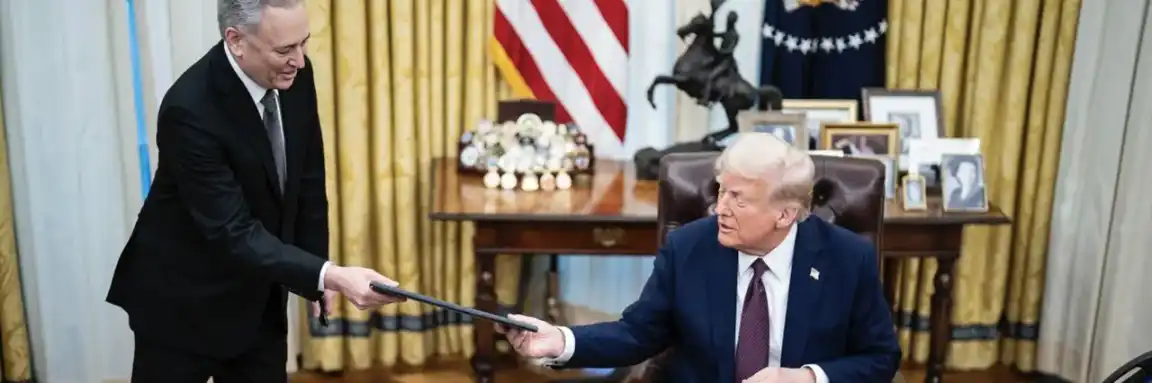
David Sacks with Trump
The Crypto Czar is a newly established position by Trump to drive the development of cryptocurrency. Responsible for coordinating federal government regulatory policies on cryptocurrency, holding significant centralized power to swiftly engage with departments like the SEC, Treasury, Commerce, etc., to advance the crypto agenda.
David Sacks is a visionary investor and entrepreneur. As early as 2013, he expressed optimism about Bitcoin, stating on social media, "Bitcoin has the potential to become the next Internet—the currency of the Internet. I'm buying in." He began buying Bitcoin in 2012 and has stated on multiple occasions that the transformative nature of Bitcoin lies in its potential as a "non-sovereign currency." He believes Bitcoin operates independently of governments, supported by mathematics and encryption technology, providing a financial system independent of government control.
David Sacks is not only a Silicon Valley venture capitalist but also one of the founding team members of PayPal, closely associated with Elon Musk and Peter Thiel, part of the "PayPal Mafia." David Sacks also worked closely with Musk during the 2022 acquisition of Twitter.
In 2017, David Sacks founded the venture capital firm Craft Ventures and made significant investments in cryptocurrency and AI startups, participating in early investments in companies like dydx and Lightning Labs.
SEC Acting Chair Mark T. Uyeda: The War on Crypto Must End
\"The war on crypto must end. We need safe harbors and regulatory sandboxes to allow innovation to thrive.\" Uyeda said during an interview with Stuart Varney on November 23, 2024.
Uyeda is the current Acting Chair of the SEC and is known for his friendly stance towards cryptocurrency.
Previously, he has been a vocal critic of the SEC's approach to regulating the crypto industry under former SEC Chair Gary Gensler, advocating for clear rules instead of enforcement actions that he believes have had a disastrous impact on industry development. He has also joined Commissioner Peirce in opposing the SEC's rejection of Coinbase's rulemaking proposal, arguing that the SEC should proactively respond to industry needs.
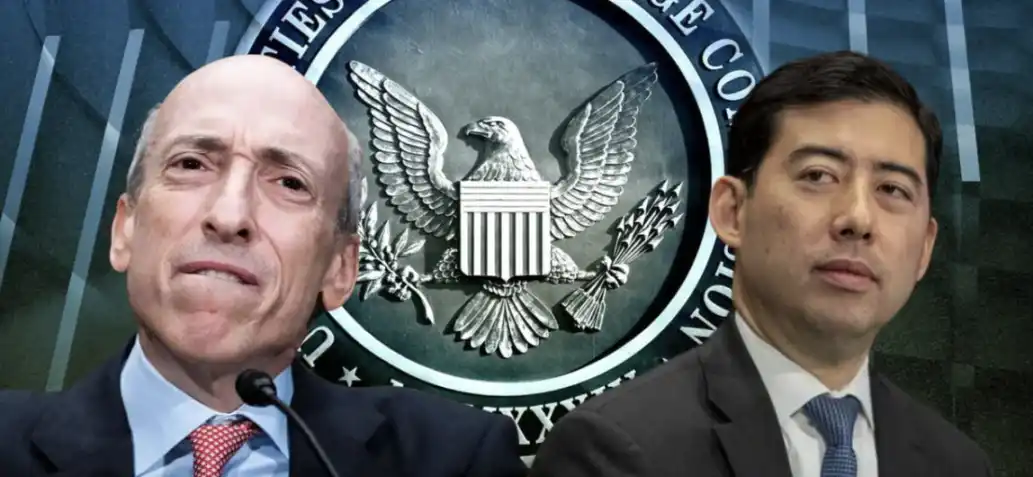
Left: Former SEC Chair Gary Gensler, Right: Current SEC Acting Chair Mark T. Uyeda
Upon assuming the role of SEC Acting Chair, Uyeda took swift action, announcing the establishment of a new "Crypto Task Force" on January 21, 2025, led by SEC Commissioner Hester Peirce, with the goal of developing a comprehensive and clear regulatory framework for crypto assets.
Since taking office as SEC Acting Chair, Uyeda has nominated another crypto-friendly former SEC Commissioner, Paul Atkins, to serve as the permanent SEC Chair (subject to Senate confirmation).
SEC Chair Paul Atkins: Digital Assets Key to Making America Great Again
Both crypto mom Hester Peirce and current SEC Acting Chair Mark T. Uyeda previously served on former SEC Commissioner Paul Atkins' personal staff and have had long-standing relationships with him.
Paul Atkins was appointed by Trump as SEC Chair (Acting) and is awaiting final confirmation by the Senate. Upon being nominated by Trump as the permanent SEC Chair in January 2025, he stated, \"Digital assets are key to making America great again. The SEC's role is to support vibrant and innovative capital markets, not stifle new technologies with outdated frameworks.\"
Atkins is widely seen as a strong supporter of cryptocurrency, having garnered broad support from the crypto community. For instance, Ripple CEO Brad Garlinghouse and Gemini Exchange's Cameron Winklevoss have publicly praised his nomination, believing it will bring "common-sense regulation" to digital assets.

Paul Atkins also currently serves as the CEO of Patomak Global Partners, a consulting firm for the financial and cryptocurrency industries.
Atkins, along with other Trump financial officials such as Bitcoin-supporting Treasury Secretary Scott Bessent and Commerce Secretary Howard Lutnick, constitute a pro-crypto policy team.
Crypto Mom Hester Peirce: DeFi is the Playground for Financial Democratization
During Biden's presidency, Hester Peirce has been the most crypto-friendly voice within the SEC, stating: DeFi is the playground for financial democratization.
As early as 2018, she expressed: "We might be entering a new era where all transactions in the financial markets are recorded on a blockchain... We should welcome that possibility rather than try to quash it."
Today, Hester Peirce has also become a key female figure in Trump's administration, known for her open-mindedness in the field of cryptocurrency and blockchain technology.
Peirce was appointed as an SEC commissioner in 2018 and has repeatedly expressed support for cryptocurrency innovation during her tenure.
When dissenting against the SEC's rejection of the Winklevoss Bitcoin ETF in 2018, she stated: "The reasons for disapproving a Bitcoin ETF by the SEC are unconvincing. We are depriving investors of choice without any evidence that the market would be harmed as a result." It was this stance that initially earned her the title of "Crypto Mom" in the crypto community.
Crypto Mom Hester Peirce
Peirce's contributions to cryptocurrency primarily include: criticizing the SEC's overly stringent regulations hindering innovation in the crypto industry, multiple critiques of the SEC's rejection of a Bitcoin spot ETF, and advocating for a clearer regulatory framework for decentralized finance (DeFi).
In 2020, Peirce also proposed the "Safe Harbor" proposal, which suggested allowing crypto projects to be exempt from strict securities laws for 3 years, allowing projects to develop and achieve decentralization without the threat of SEC regulation. While this proposal was not adopted by the SEC, it sparked widespread discussion within the industry. She is also one of the few SEC commissioners who supported the listing of a Bitcoin ETF.
On March 3, 2025, the SEC announced the members of the "SEC Crypto Working Group," further confirming Peirce's leadership of this working group.
CFTC Chairman Brian Quintenz: Bitcoin is a Commodity, Just Like Gold or Oil
"Bitcoin is a commodity, just like gold or oil," said current CFTC Chairman Brian Quintenz of the United States.
Brian Quintenz was formerly the head of policy for a16z's cryptocurrency division. Today, he serves as the current Chairman of the U.S. Commodity Futures Trading Commission (CFTC).
He is now considered a key figure in the Trump administration driving cryptocurrency policy.
Nominated by President Donald Trump, Brian Quintenz took office after being formally confirmed by the Senate in February 2025.
During his tenure as a CFTC Commissioner from 2017 to 2021, Brian Quintenz led the agency's Technology Advisory Committee, hosting several public policy discussions and briefings on cryptocurrency and blockchain technology. He actively advocated for "light-touch" regulation of cryptocurrencies, emphasizing the need to protect investors without stifling innovation.
He pushed for the launch of the first regulated Bitcoin and Ethereum futures contracts on U.S. derivatives exchanges, demonstrating his deep understanding of and supportive stance toward the crypto market.
Brian Quintenz supports classifying most crypto assets as commodities rather than securities, aligning with the CFTC's jurisdiction. He has publicly questioned the SEC's position on assets like Ethereum, suggesting that if Ethereum were deemed a security, its futures contracts would be illegal. He advocates for the CFTC to be the primary regulatory authority for the crypto market to avoid the SEC's strict framework.
After leaving the CFTC, Brian Quintenz joined the cryptocurrency division of the venture capital firm Andreessen Horowitz (a16z) as the head of policy, working to advance regulatory reforms favorable to the crypto industry.
In terms of personal investments, Brian Quintenz has previously invested in the Grayscale Bitcoin Trust, demonstrating his confidence in cryptocurrency assets.
On a national level, Brian Quintenz is also a strong proponent of cryptocurrency. "A national crypto reserve is not a dream but a strategy. The CFTC will collaborate with the government to explore how Bitcoin can enhance the resilience of the U.S. economy," said Brian Quintenz at a summit in March 2025.
Treasury Secretary Scott Bessent: Cryptocurrency Is About Freedom, National Crypto Reserve Is Not a Dream
"A national crypto reserve is not a dream but a strategy. Bitcoin can enhance the resilience of the U.S. economy," said current Treasury Secretary Scott Bessent in January 2025.
Scott Bessent is a staunch cryptocurrency supporter. He once predicted that the price of Bitcoin would reach $980,000. According to a January 2025 public financial disclosure from the U.S. Office of Government Ethics, Bessent holds Belvedere Bitcoin Spot ETF (IBIT) valued between $250,000 and $500,000.
Imageshows Scott Bessent
Scott Bessent is the founder of Key Square Capital Management and has served as a partner and chief investment officer at George Soros's Soros Fund Management.
Bessent has repeatedly voiced his support for cryptocurrency, especially Bitcoin. He believes cryptocurrency represents "freedom" and is a key part of financial system innovation. In a July 2024 interview with Fox Business, he stated, "Cryptocurrency is about freedom, and the crypto economy will endure in the long term." He also noted that Bitcoin is attractive to the younger generation and those outside the traditional banking system, and it can "nurture America's market culture."
He supports the idea, proposed by Trump, of establishing a Strategic Bitcoin Reserve for the country, believing it could position the U.S. as a leader in global digital assets.
Secretary of Commerce Howard Lutnick: Bitcoin is the Future of Economy!
"Bitcoin is the future of the economy!" said United States current Secretary of Commerce Howard Lutnick in a public statement.
Lutnick has shown a positive attitude towards cryptocurrency, openly supporting Bitcoin and other digital assets. He has likened Bitcoin to gold, advocating for its global free trade. In February 2025, Howard Lutnick was confirmed by the U.S. Senate to serve as the U.S. Secretary of Commerce.
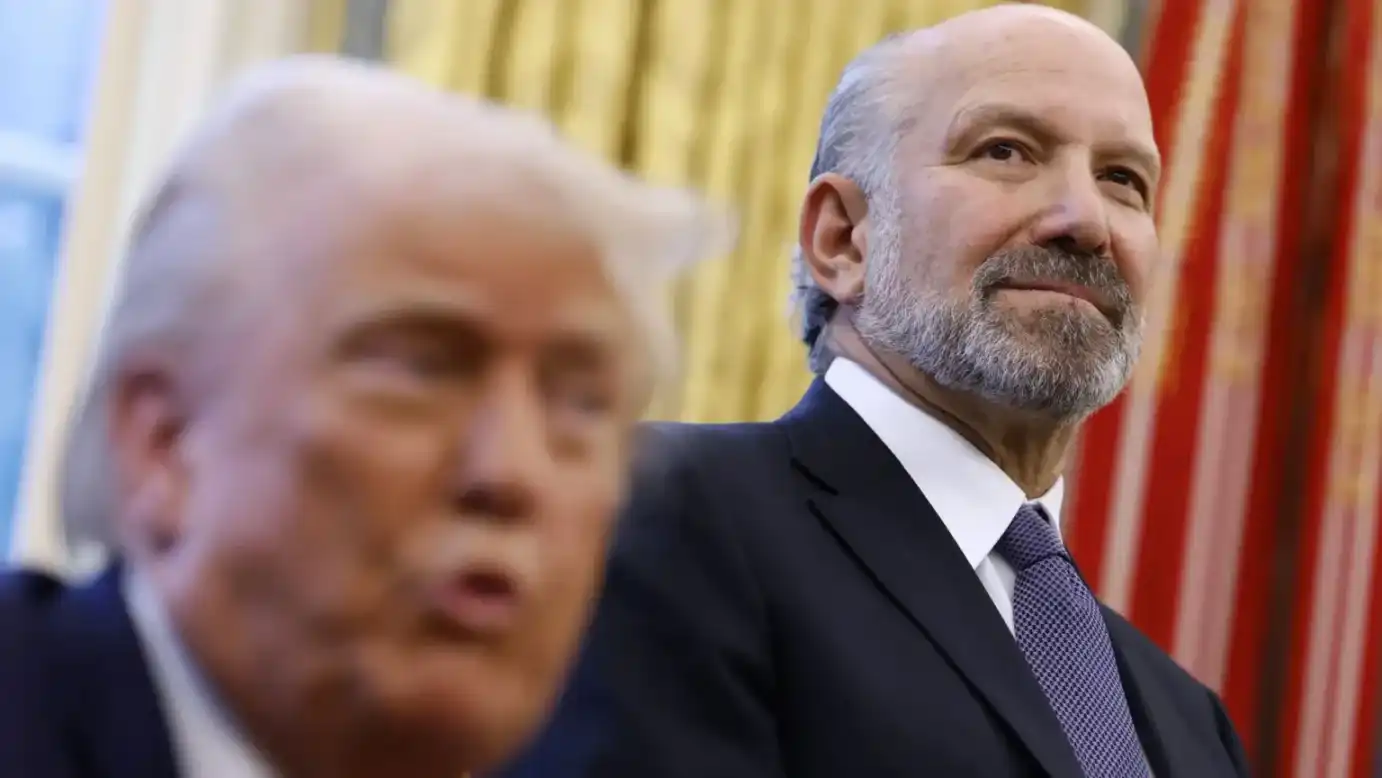
Prior to this role, Lutnick served as the CEO of the financial services company Cantor Fitzgerald, which is a key partner of the world's largest stablecoin, Tether (USDT), and is responsible for managing part of Tether's reserve assets (including U.S. Treasury bonds).
As the CEO of Cantor Fitzgerald, Lutnick actively supports Tether (USDT) and endorses the legitimacy of its reserves. He pointed out that as a primary dealer of U.S. government securities, Cantor Fitzgerald is able to meet large-scale redemption demands, ensuring the stability of Tether.
Lutnick also once posted on X, stating, "Tether is the cornerstone of the crypto economy, and those who question it do not understand modern finance."
Vice President JD Vance: First Presidential Candidate to Own Bitcoin
United States current Vice President JD Vance is the first presidential candidate in U.S. history to own Bitcoin.
Vance has repeatedly viewed Bitcoin as a tool to combat government-controlled finance. During his 2024 campaign, he stated, "Bitcoin represents a decentralized future, and we need to protect it from bureaucratic infringement." While he did not explicitly support Trump's proposed "national Bitcoin reserve" plan, his statements align with this vision.

In 2022, when the Canadian government froze the bank accounts of individuals related to the Ottawa truck driver protest, Vance posted, "This is why cryptocurrency is thriving – if your political views are wrong, the government will cut off your access to banking services."
According to public disclosures from 2023, Vance held between $250,000 and $500,000 worth of Bitcoin (BTC) through Coinbase. After being nominated as vice presidential candidate, Vance liquidated his personal Bitcoin holdings in late July 2024 to avoid potential conflicts of interest. This move was in line with his wife Usha Vance resigning from her position at Munger, Tolles & Olson law firm (which had provided legal services to Coinbase) at the same time.
Like the Crypto Czar David Sacks, Vance's career in Silicon Valley has connected him deeply with tech leaders who support crypto. In 2019, Vance co-founded venture capital firm Narya Capital with PayPal co-founder Peter Thiel, Eric Schmidt, and others, focusing on tech startups in the Midwest. After being elected as a senator in 2022, he resigned from his partner position but still holds at least $500,000 in the company.
Final Thoughts
Trump has become the most influential figure in the current crypto ecosystem.
His aggressive stance on cryptocurrency stems partly from Trump's personal inclinations and partly from the attitudes of his core team members and supporters towards cryptocurrency over the years.
In 2013, Crypto Czar David Sacks began openly supporting Bitcoin, believing that BTC aligned with PayPal's original vision of creating a global currency, as he was one of PayPal's founding team members. In 2018, SEC Commissioner at the time, Peirce, and CFTC Commissioner at the time, Brian Quintenz, publicly criticized the authorities for overly strict regulation of the crypto industry, and now they lead the SEC and CFTC, respectively.
As a seven-year-old arrow is shot into 2025 and hits a bullseye, the potential energy it unleashes will continue to expand.
You may also like

Will MicroStrategy fall into a death spiral? What will the macro trend be in the second half of the year?

Morning Report | Illinois signs the strictest digital asset tax law in the U.S.; RWA tokenization market size surpasses $43 billion, institutions accelerate the migration of on-chain assets

Full version of the debut Q&A! Federal Reserve Chairman Waller: Sticking to the 2% inflation target, establishing five special working groups, individual did not submit the dot plot

From Disruptor to Shadow Market: The Crypto Market is Becoming a Colony of Traditional Finance
Dalio's important long article: How to position in the current market environment?

OKX Star analyzes Binance's competitive advantages: when regulation levels the playing field, competition has just begun

New gameplay for participating in initial offerings on cryptocurrency exchanges
Why Is Bitcoin Down Today? What the Hawkish FOMC Means for SpaceX, Gold and Nasdaq

DeepSeek Financing Story

Morning Report | DeepSeek completes over $7 billion in financing, with a valuation exceeding $50 billion; Musk's personal wealth has surpassed the total market value of Bitcoin

Cursor, why did you get on Musk's spaceship?
In the name of charity, for the benefit of the family: How the Trump family turned charity into profit?

Will Gold Break $4,500 After Tonight's Fed Decision? What XAUT and PAXG Traders Need to Know

SharpLink CEO: How to understand that Ethereum developers have just surpassed 1 million?

Morning Report | MiCA grace period expires on July 1; Kalshi's trading volume in the first week of the World Cup breaks $5.1 billion, setting a record

The foundation of SpaceX's trillion-dollar valuation: Who is dividing Musk's annual capital expenditure of tens of billions?
How to exit after asset tokenization?

The stablecoin positioning battle escalates: When compliance is just a ticket to entry, will USD1 become the biggest winner?
Will MicroStrategy fall into a death spiral? What will the macro trend be in the second half of the year?
Morning Report | Illinois signs the strictest digital asset tax law in the U.S.; RWA tokenization market size surpasses $43 billion, institutions accelerate the migration of on-chain assets
Full version of the debut Q&A! Federal Reserve Chairman Waller: Sticking to the 2% inflation target, establishing five special working groups, individual did not submit the dot plot
From Disruptor to Shadow Market: The Crypto Market is Becoming a Colony of Traditional Finance
Dalio's important long article: How to position in the current market environment?
OKX Star analyzes Binance's competitive advantages: when regulation levels the playing field, competition has just begun


