
Trump Signs Bitcoin Strategic Reserve Executive Order, Why Did the Market Instead Experience a Major Decline?

By: blockbeats|2025/03/07 10:15:03
0
Share
copy

今晨,加密行业期盼已久的比特币战略储备行政令终于来了。3 月 7 日上午 8 点左右,白宫 AI 与加密货币主管 David Sacks 在社交媒体发文表示,特朗普总统在几分钟前签署了建立战略比特币储备的行政命令。然而,在这则巨大利好消息传出后,比特币价格竟然立刻跳水,1 小时之内就从 90,000 美元附近跌至 85,000 美元下方。截至撰稿时,比特币价格已回升至 88,000 美元附近。
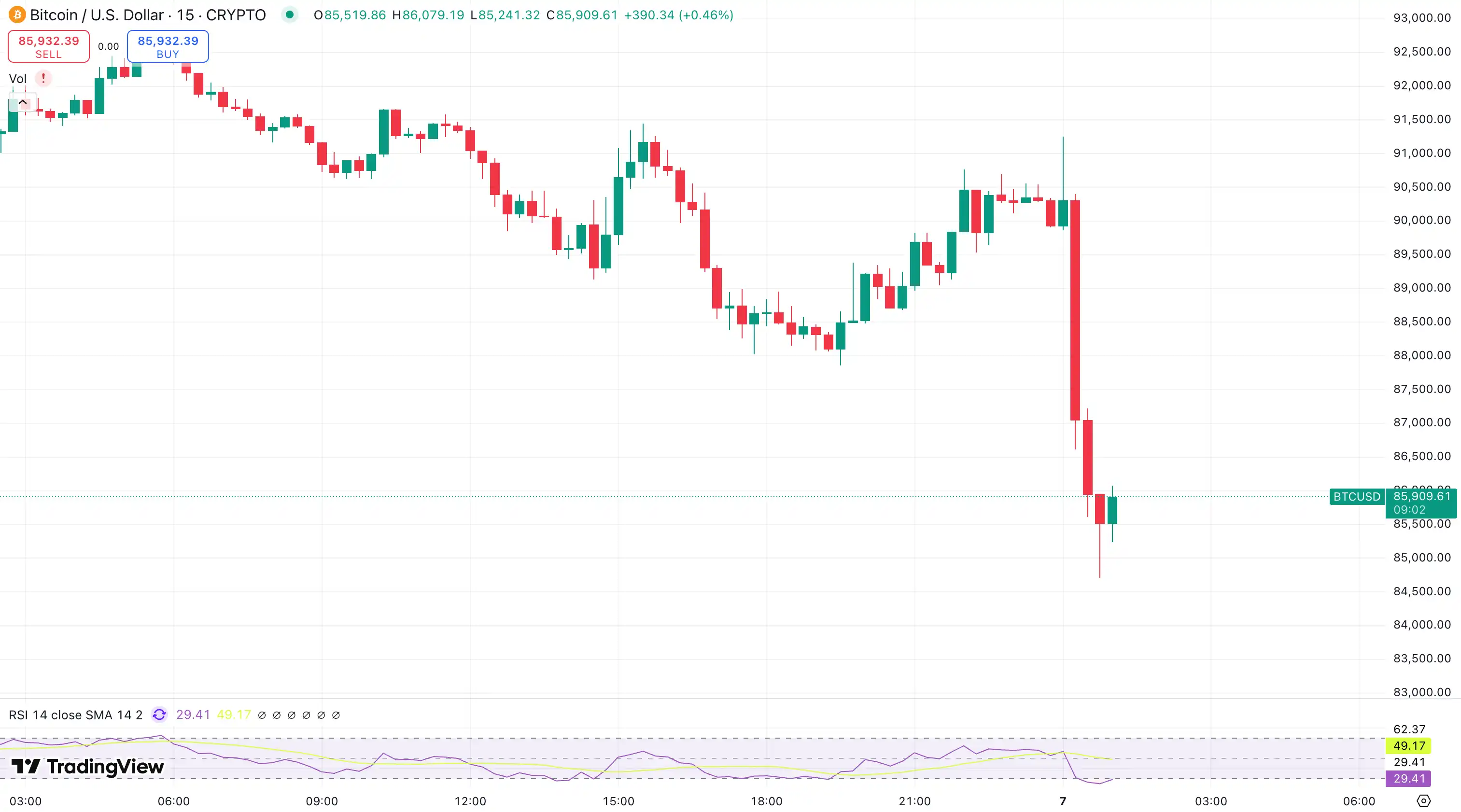
Trump Signs Bitcoin Strategic Reserve Executive Order, Why Did the Market Instead Experience a Major Decline?

值得注意的是,该战略储备的储备金将以联邦政府拥有的比特币作为资本,即美国政府在刑事或民事资产没收程序中被没收而来的比特币,美国政府不会出售存入储备的任何比特币,但也大概率不会进一步购买更多的比特币,「这意味着不会花费纳税人一分钱」,David Sacks 在推文中写道。

只囤不买,触发 Sell The News

今年 1 月,特朗普签署了⼀项⾏政命令,指示其政府评估「建⽴和维护国家数字资产储备的可能性」,并成⽴了⼀个⼯作组来研究可⾏性,由 David Sacks 担任主席。10x Research 分析师 Marcus 在其就战略储备其发布的报告中指出,「储备」和「创建和维护国家数字资产储备」之间存在⼀个关键区别。

「储备」⼀词表明了⼀种获取更多资产的主动策略,⽽「建⽴和维护」则暗示了⼀种更为被动的⽅法,即「只囤不买」的策略。Marcus 在报告中提到,尽管该行政命令针对的范围是更为广泛的数字资产⽽非⽐特币,但这也意味着美国政府更倾向继续持有手上现有的加密货币,⽽不是购买更多的加密资产。

另一方面,特朗普的比特币战略储备行政令也远未得到国会批准,距离正式通过和生效仍需数⽉时间,这也进一步刺激了交易员的 Sell The News 情绪和动机。

美国政府对货币、储备和⾦融资产的处理受法律和财政部和美联储等机构的管辖。与⻩⾦或⽯油不同,⽐特币不是政府可以以传统意义储存的实物资产,它是⼀种去中⼼化的数字货币,因此储备意味着政府需要通过一系列安全可靠的正式流程将⽐特币存放起来,这将进一步引发有关资⾦、安全性等方面的问题。

不过,许多与本届亲加密政府关系甚密的从业者也表达了对该项行政令的积极看法。

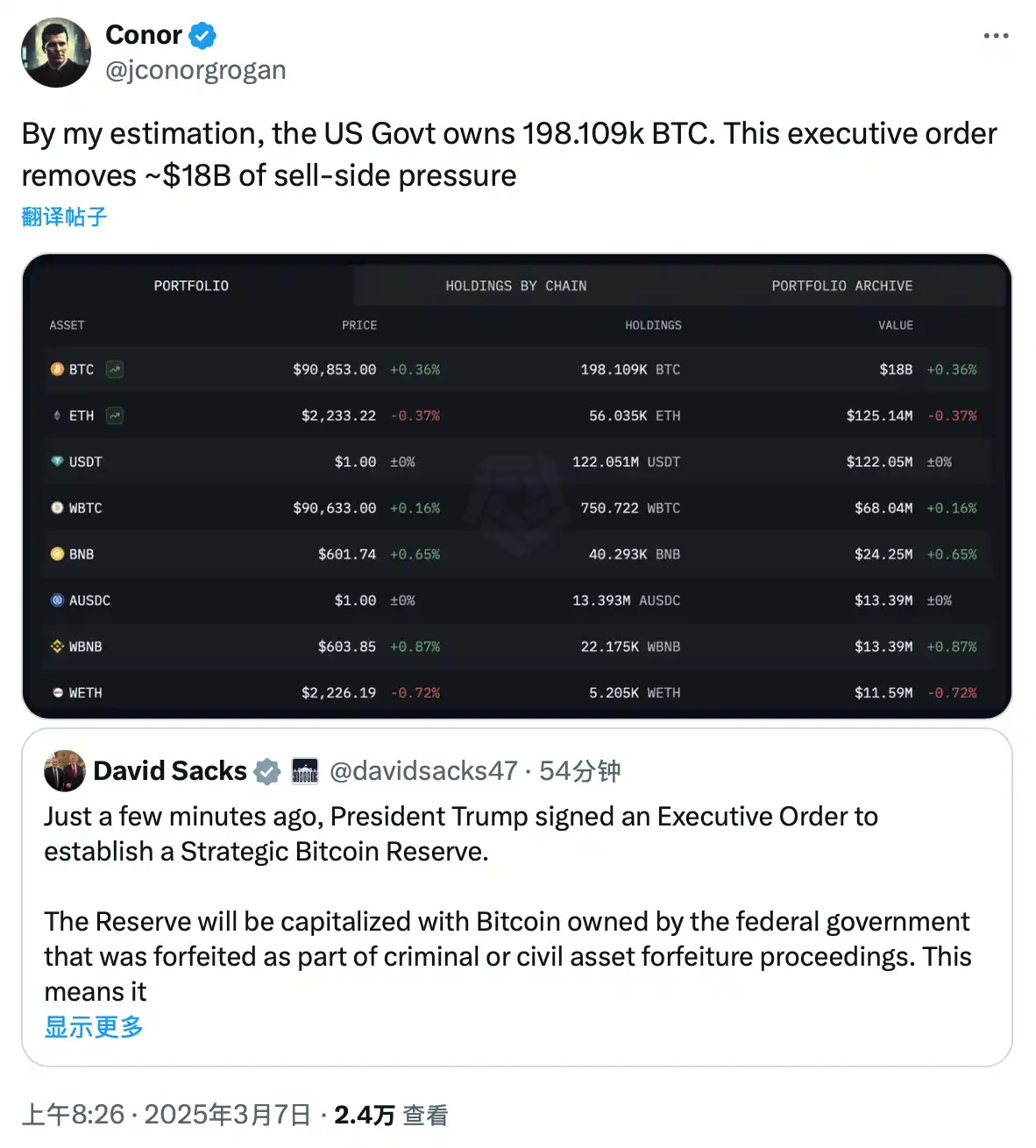
白宫 AI 与加密货币主管 David Sacks 在社交媒体发文表示,「此前美国政府过早出售比特币已经让美国纳税人损失了超过 170 亿美元。现在,联邦政府将制定一项策略,以最大限度地提升其持有的比特币的价值」。Coinbase 主管 Conor Grogan 则在社交媒体上发文表示,「据我估算,美国政府持有 198,109 枚比特币。这项行政命令将减少约 180 亿美元的抛售压力。
另外值得注意的是,除了联邦政府在比特币战略储备上的努⼒之外,美国许多州也在这方面进行积极的响应。截至目前,美国已有 18 个州考虑或提议⽴法建⽴州级战略⽐特币储备。2 月 27 日,德克萨斯州商业和商务委员会就率先审议通过比特币储备法案,并提交参议院审议。

该法案旨在建立州政府控制的比特币储备,以加强金融安全并推动数字资产创新,其主要内容包括:授权德州政府持有比特币作为金融资产、由德州审计长办公室负责管理,实施冷存储方案并进行定期审计、禁止从外国实体或涉及非法活动的个人处获取比特币等。若获得参议院三分之二多数通过,该法案将立即生效,否则将于 2025 年 9 月 1 日正式生效。

灵魂发问:Bitfinex 案没收的比特币要还吗?

目前,美国政府持有约 20 万枚⽐特币,按照当前的价格计算价值约 180 亿美元。这些比特币是通过各个执法⾏动缴获的,其中最主要的两个来源即丝绸之路案中罚没的比特币,以及 2016 年 Bitfinex 平台黑客案中缴获的比特币。

相关阅读:《美国政府比特币地址都有哪些

2022 年 2 ⽉,美国司法部 (DOJ) 缴获了超 9 万枚来自 Bitfinex 黑客案中的⽐特币。涉案黑客 Ilya Lichtenstein 和 Heather Morgan 因洗钱⿊客⾏为被捕并被定罪,Lichtenstein 承认策划了⿊客攻击,此后美国政府将缴获的⽐特币作为没收资产持有。

在比特币战略储备行政令签署后,「Bitfinex 的比特币要不要还?」成了许多行业参与者最关心的问题,因为这部分比特币占据了美国政府比特币持有量的近 50%。

关键原因在于 Bitfinex 的⿊客攻击后赔偿计划:在 2016 年⿊客攻击后,Bitfinex 将所有客户余额减少了 36%,并发⾏了 BFX(LEO)代币,这些代币在⼋个⽉内全部赎回,在政府看来,这实际上使客户「完整」。因此,承担损失的实体 Bitfinex 被视为主要索赔⼈。

2024 年 10 ⽉,哥伦⽐亚特区美国检察官办公室提交了⼀份动议,暗示 Bitfinex 可能是根据《犯罪受害者权利法案》(CVRA)和《强制受害者赔偿法案》(MVRA)有资格获得赔偿的「唯⼀受害者」。这⼀⽴场在 2025 年 1 ⽉的⼀份⽂件中得到了强化,政府提议将⽐特币「以实物」(BTC,⽽不是现⾦)返还给 Bitfinex。

相关阅读:《美国政府表示,2016 年黑客的资金应返回 Bitfinex

此前 Bitfinex 承诺,一旦拿回被黑客入侵的比特币,就会回购 LEO。许多前 Bitfinex 客户认为,鉴于⽐特币自 2016 年以来⼤幅升值,他们有权获得追缴到的⽐特币,并称 Bitfinex 平台的 LEO 代币补偿没有反映出 BTC 的未来价值。

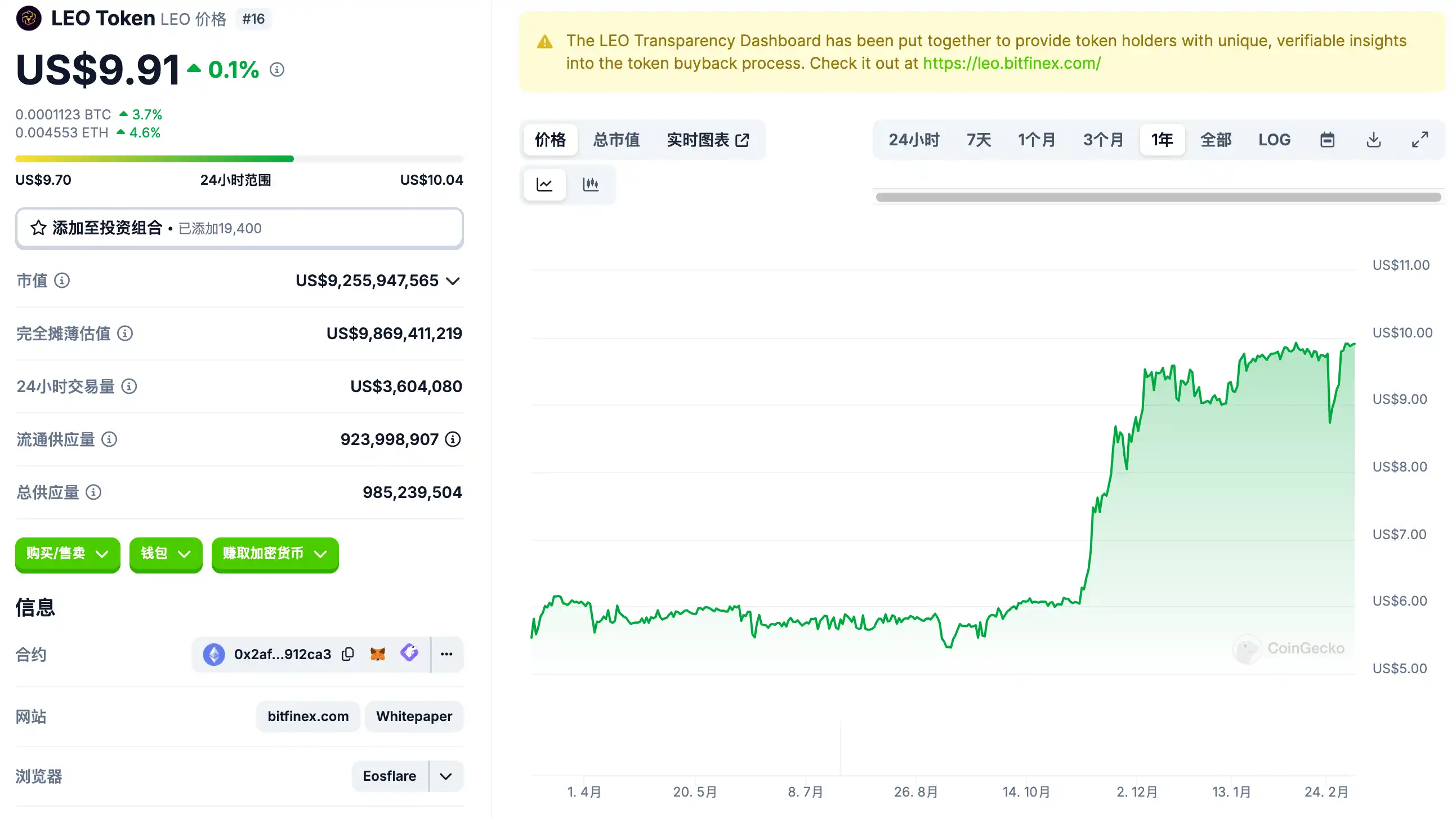
所以在 2024 年 10 月美国政府申请替代通知程序告知 2016 年 Bitfinex 黑客事件的潜在受害者的新闻传出后,Bitfinex 平台代币 LEO 便迅速上涨近 40%,表明市场对美国政府归还被盗比特币,以及 Bitfinex 旅行回购计划的高度预期。
当然了,随着战略储备行政令的签署,美国政府的立场也随时可能发生变化。

白宫加密峰会还有什么可以期待的?

此外,David Sacks 在今早的推文中还提到,该行政命令还建立了「美国数字资产储备库」,该储备库的目的是负责管理财政部领导下的政府数字资产。

对于 David Sacks 而言,马上要主持的白宫加密峰会是眼下的重中之重。本次峰会是白宫首次举办此类活动,规格级别很高。根据多方媒体报道,本次峰会中最引人注目的可能是「国家加密战略储备」计划。该计划拟将比特币、以太坊、Solana、Cardano 和 Ripple(XRP)等主流加密货币纳入国家储备体系,其规模与功能定位类似于传统石油储备。据《福布斯》披露,储备资产的选择兼顾了各币种的特性:比特币作为「数字黄金」的抗通胀属性、以太坊的智能合约生态、Solana 的高性能应用平台、Cardano 的科研驱动安全架构,以及 Ripple 的跨境支付效率优势。

在监管体系建设方面,峰会将重点讨论稳定币与整体监管框架的顶层设计。Cointelegraph透露,特朗普顾问大卫·萨克斯主张通过稳定币强化美元霸权,这一观点或将影响联邦监管方案。目前众议院金融服务委员会推进的法案草案显示,发行量超百亿美元的稳定币机构或将纳入美联储监管体系,形成联邦与州政府的双层监管架构。同时,2023 年提出的《21 世纪金融创新和技术法案》可能迎来实质性进展,其核心在于协调 SEC 与 CFTC 的监管权责,构建兼顾创新与安全的数字资产监管范式。

为实现「加密之都」的战略目标,峰会可能会推出系列创新激励和税收相关政策。CryptoBriefing分析指出,政府可能放宽拜登时期的监管限制。一个意想不到的细节是,峰会还有可能讨论与加密相关的税收改革。根据BeInCrypto的报道,税收改革可能是议程的一部分,可能影响投资者的税收负担,涉及简化加密交易的税收报告或提供税收激励,以促进行业增长。

You may also like

Token Cannot Compound, Where Is the Real Investment Opportunity?

The next chapter in the crypto industry will undoubtedly be written by Crypto-empowered Stocks.

February 6th Market Key Intelligence, How Much Did You Miss?

1. On-chain Flows: $508.2M USD inflow to Ethereum today; $390.8M USD outflow from Arbitrum 2. Biggest Gainers/Losers: $HBTC, $AIO 3. Top News: Current Bitcoin weekly RSI oversold signal comparable to June 2022

China's Central Bank and Eight Other Departments' Latest Regulatory Focus: Key Attention to RWA Tokenized Asset Risk


Foreword: Today, the People's Bank of China's website published the "Notice of the People's Bank of China, National Development and Reform Commission, Ministry of Industry and Information Technology, Ministry of Public Security, State Administration for Market Regulation, China Banking and Insurance Regulatory Commission, China Securities Regulatory Commission, State Administration of Foreign Exchange on Further Preventing and Dealing with Risks Related to Virtual Currency and Others (Yinfa [2026] No. 42)", the latest regulatory requirements from the eight departments including the central bank, which are basically consistent with the regulatory requirements of recent years. The main focus of the regulation is on speculative activities such as virtual currency trading, exchanges, ICOs, overseas platform services, and this time, regulatory oversight of RWA has been added, explicitly prohibiting RWA tokenization, stablecoins (especially those pegged to the RMB). The following is the full text:


To the people's governments of all provinces, autonomous regions, and municipalities directly under the Central Government, the Xinjiang Production and Construction Corps:


  Recently, there have been speculative activities related to virtual currency and Real-World Assets (RWA) tokenization, disrupting the economic and financial order and jeopardizing the property security of the people. In order to further prevent and address the risks related to virtual currency and Real-World Assets tokenization, effectively safeguard national security and social stability, in accordance with the "Law of the People's Republic of China on the People's Bank of China," "Law of the People's Republic of China on Commercial Banks," "Securities Law of the People's Republic of China," "Law of the People's Republic of China on Securities Investment Funds," "Law of the People's Republic of China on Futures and Derivatives," "Cybersecurity Law of the People's Republic of China," "Regulations of the People's Republic of China on the Administration of Renminbi," "Regulations on Prevention and Disposal of Illegal Fundraising," "Regulations of the People's Republic of China on Foreign Exchange Administration," "Telecommunications Regulations of the People's Republic of China," and other provisions, after reaching consensus with the Cyberspace Administration of China, the Supreme People's Court, and the Supreme People's Procuratorate, and with the approval of the State Council, the relevant matters are notified as follows:


  I. Clarify the essential attributes of virtual currency, Real-World Assets tokenization, and related business activities


  (I) Virtual currency does not possess the legal status equivalent to fiat currency. Virtual currencies such as Bitcoin, Ether, Tether, etc., have the main characteristics of being issued by non-monetary authorities, using encryption technology and distributed ledger or similar technology, existing in digital form, etc. They do not have legal tender status, should not and cannot be circulated and used as currency in the market.


  The business activities related to virtual currency are classified as illegal financial activities. The exchange of fiat currency and virtual currency within the territory, exchange of virtual currencies, acting as a central counterparty in buying and selling virtual currencies, providing information intermediary and pricing services for virtual currency transactions, token issuance financing, and trading of virtual currency-related financial products, etc., fall under illegal financial activities, such as suspected illegal issuance of token vouchers, unauthorized public issuance of securities, illegal operation of securities and futures business, illegal fundraising, etc., are strictly prohibited across the board and resolutely banned in accordance with the law. Overseas entities and individuals are not allowed to provide virtual currency-related services to domestic entities in any form.


  A stablecoin pegged to a fiat currency indirectly fulfills some functions of the fiat currency in circulation. Without the consent of relevant authorities in accordance with the law and regulations, any domestic or foreign entity or individual is not allowed to issue a RMB-pegged stablecoin overseas.


(II)Tokenization of Real-World Assets refers to the use of encryption technology and distributed ledger or similar technologies to transform ownership rights, income rights, etc., of assets into tokens (tokens) or other interests or bond certificates with token (token) characteristics, and carry out issuance and trading activities.


  Engaging in the tokenization of real-world assets domestically, as well as providing related intermediary, information technology services, etc., which are suspected of illegal issuance of token vouchers, unauthorized public offering of securities, illegal operation of securities and futures business, illegal fundraising, and other illegal financial activities, shall be prohibited; except for relevant business activities carried out with the approval of the competent authorities in accordance with the law and regulations and relying on specific financial infrastructures. Overseas entities and individuals are not allowed to illegally provide services related to the tokenization of real-world assets to domestic entities in any form.


  II. Sound Work Mechanism


  (III) Inter-agency Coordination. The People's Bank of China, together with the National Development and Reform Commission, the Ministry of Industry and Information Technology, the Ministry of Public Security, the State Administration for Market Regulation, the China Banking and Insurance Regulatory Commission, the China Securities Regulatory Commission, the State Administration of Foreign Exchange, and other departments, will improve the work mechanism, strengthen coordination with the Cyberspace Administration of China, the Supreme People's Court, and the Supreme People's Procuratorate, coordinate efforts, and overall guide regions to carry out risk prevention and disposal of virtual currency-related illegal financial activities.


  The China Securities Regulatory Commission, together with the National Development and Reform Commission, the Ministry of Industry and Information Technology, the Ministry of Public Security, the People's Bank of China, the State Administration for Market Regulation, the China Banking and Insurance Regulatory Commission, the State Administration of Foreign Exchange, and other departments, will improve the work mechanism, strengthen coordination with the Cyberspace Administration of China, the Supreme People's Court, and the Supreme People's Procuratorate, coordinate efforts, and overall guide regions to carry out risk prevention and disposal of illegal financial activities related to the tokenization of real-world assets.


  (IV) Strengthening Local Implementation. The people's governments at the provincial level are overall responsible for the prevention and disposal of risks related to virtual currencies and the tokenization of real-world assets in their respective administrative regions. The specific leading department is the local financial regulatory department, with participation from branches and dispatched institutions of the State Council's financial regulatory department, telecommunications regulators, public security, market supervision, and other departments, in coordination with cyberspace departments, courts, and procuratorates, to improve the normalization of the work mechanism, effectively connect with the relevant work mechanisms of central departments, form a cooperative and coordinated working pattern between central and local governments, effectively prevent and properly handle risks related to virtual currencies and the tokenization of real-world assets, and maintain economic and financial order and social stability.


  III. Strengthened Risk Monitoring, Prevention, and Disposal


  (5) Enhanced Risk Monitoring. The People's Bank of China, China Securities Regulatory Commission, National Development and Reform Commission, Ministry of Industry and Information Technology, Ministry of Public Security, State Administration of Foreign Exchange, Cyberspace Administration of China, and other departments continue to improve monitoring techniques and system support, enhance cross-departmental data analysis and sharing, establish sound information sharing and cross-validation mechanisms, promptly grasp the risk situation of activities related to virtual currency and real-world asset tokenization. Local governments at all levels give full play to the role of local monitoring and early warning mechanisms. Local financial regulatory authorities, together with branches and agencies of the State Council's financial regulatory authorities, as well as departments of cyberspace and public security, ensure effective connection between online monitoring, offline investigation, and fund tracking, efficiently and accurately identify activities related to virtual currency and real-world asset tokenization, promptly share risk information, improve early warning information dissemination, verification, and rapid response mechanisms.


  (6) Strengthened Oversight of Financial Institutions, Intermediaries, and Technology Service Providers. Financial institutions (including non-bank payment institutions) are prohibited from providing account opening, fund transfer, and clearing services for virtual currency-related business activities, issuing and selling financial products related to virtual currency, including virtual currency and related financial products in the scope of collateral, conducting insurance business related to virtual currency, or including virtual currency in the scope of insurance liability. Financial institutions (including non-bank payment institutions) are prohibited from providing custody, clearing, and settlement services for unauthorized real-world asset tokenization-related business and related financial products. Relevant intermediary institutions and information technology service providers are prohibited from providing intermediary, technical, or other services for unauthorized real-world asset tokenization-related businesses and related financial products.


  (7) Enhanced Management of Internet Information Content and Access. Internet enterprises are prohibited from providing online business venues, commercial displays, marketing, advertising, or paid traffic diversion services for virtual currency and real-world asset tokenization-related business activities. Upon discovering clues of illegal activities, they should promptly report to relevant departments and provide technical support and assistance for related investigations and inquiries. Based on the clues transferred by the financial regulatory authorities, the cyberspace administration, telecommunications authorities, and public security departments should promptly close and deal with websites, mobile applications (including mini-programs), and public accounts engaged in virtual currency and real-world asset tokenization-related business activities in accordance with the law.


  (8) Strengthened Entity Registration and Advertisement Management. Market supervision departments strengthen entity registration and management, and enterprise and individual business registrations must not contain terms such as "virtual currency," "virtual asset," "cryptocurrency," "crypto asset," "stablecoin," "real-world asset tokenization," or "RWA" in their names or business scopes. Market supervision departments, together with financial regulatory authorities, legally enhance the supervision of advertisements related to virtual currency and real-world asset tokenization, promptly investigating and handling relevant illegal advertisements.


  (IX) Continued Rectification of Virtual Currency Mining Activities. The National Development and Reform Commission, together with relevant departments, strictly controls virtual currency mining activities, continuously promotes the rectification of virtual currency mining activities. The people's governments of various provinces take overall responsibility for the rectification of "mining" within their respective administrative regions. In accordance with the requirements of the National Development and Reform Commission and other departments in the "Notice on the Rectification of Virtual Currency Mining Activities" (NDRC Energy-saving Building [2021] No. 1283) and the provisions of the "Guidance Catalog for Industrial Structure Adjustment (2024 Edition)," a comprehensive review, investigation, and closure of existing virtual currency mining projects are conducted, new mining projects are strictly prohibited, and mining machine production enterprises are strictly prohibited from providing mining machine sales and other services within the country.


  (X) Severe Crackdown on Related Illegal Financial Activities. Upon discovering clues to illegal financial activities related to virtual currency and the tokenization of real-world assets, local financial regulatory authorities, branches of the State Council's financial regulatory authorities, and other relevant departments promptly investigate, determine, and properly handle the issues in accordance with the law, and seriously hold the relevant entities and individuals legally responsible. Those suspected of crimes are transferred to the judicial authorities for processing according to the law.


 (XI) Severe Crackdown on Related Illegal and Criminal Activities. The Ministry of Public Security, the People's Bank of China, the State Administration for Market Regulation, the China Banking and Insurance Regulatory Commission, the China Securities Regulatory Commission, as well as judicial and procuratorial organs, in accordance with their respective responsibilities, rigorously crack down on illegal and criminal activities related to virtual currency, the tokenization of real-world assets, such as fraud, money laundering, illegal business operations, pyramid schemes, illegal fundraising, and other illegal and criminal activities carried out under the guise of virtual currency, the tokenization of real-world assets, etc.


  (XII) Strengthen Industry Self-discipline. Relevant industry associations should enhance membership management and policy advocacy, based on their own responsibilities, advocate and urge member units to resist illegal financial activities related to virtual currency and the tokenization of real-world assets. Member units that violate regulatory policies and industry self-discipline rules are to be disciplined in accordance with relevant self-regulatory management regulations. By leveraging various industry infrastructure, conduct risk monitoring related to virtual currency, the tokenization of real-world assets, and promptly transfer issue clues to relevant departments.


  IV. Strict Supervision of Domestic Entities Engaging in Overseas Business Activities


(XIII) Without the approval of relevant departments in accordance with the law and regulations, domestic entities and foreign entities controlled by them may not issue virtual currency overseas.


  (XIV) Domestic entities engaging directly or indirectly in overseas external debt-based tokenization of real-world assets, or conducting asset securitization activities abroad based on domestic ownership rights, income rights, etc. (hereinafter referred to as domestic equity), should be strictly regulated in accordance with the principles of "same business, same risk, same rules." The National Development and Reform Commission, the China Securities Regulatory Commission, the State Administration of Foreign Exchange, and other relevant departments regulate it according to their respective responsibilities. For other forms of overseas real-world asset tokenization activities based on domestic equity by domestic entities, the China Securities Regulatory Commission, together with relevant departments, supervise according to their division of responsibilities. Without the consent and filing of relevant departments, no unit or individual may engage in the above-mentioned business.


  (15) Overseas subsidiaries and branches of domestic financial institutions providing Real World Asset Tokenization-related services overseas shall do so legally and prudently. They shall have professional personnel and systems in place to effectively mitigate business risks, strictly implement customer onboarding, suitability management, anti-money laundering requirements, and incorporate them into the domestic financial institutions' compliance and risk management system. Intermediaries and information technology service providers offering Real World Asset Tokenization services abroad based on domestic equity or conducting Real World Asset Tokenization business in the form of overseas debt for domestic entities directly or indirectly venturing abroad must strictly comply with relevant laws and regulations. They should establish and improve relevant compliance and internal control systems in accordance with relevant normative requirements, strengthen business and risk control, and report the business developments to the relevant regulatory authorities for approval or filing.


  V. Strengthen Organizational Implementation


  (16) Strengthen organizational leadership and overall coordination. All departments and regions should attach great importance to the prevention of risks related to virtual currencies and Real World Asset Tokenization, strengthen organizational leadership, clarify work responsibilities, form a long-term effective working mechanism with centralized coordination, local implementation, and shared responsibilities, maintain high pressure, dynamically monitor risks, effectively prevent and mitigate risks in an orderly and efficient manner, legally protect the property security of the people, and make every effort to maintain economic and financial order and social stability.


  (17) Widely carry out publicity and education. All departments, regions, and industry associations should make full use of various media and other communication channels to disseminate information through legal and policy interpretation, analysis of typical cases, and education on investment risks, etc. They should promote the illegality and harm of virtual currencies and Real World Asset Tokenization-related businesses and their manifestations, fully alert to potential risks and hidden dangers, and enhance public awareness and identification capabilities for risk prevention.


  VI. Legal Responsibility


  (18) Engaging in illegal financial activities related to virtual currencies and Real World Asset Tokenization in violation of this notice, as well as providing services for virtual currencies and Real World Asset Tokenization-related businesses, shall be punished in accordance with relevant regulations. If it constitutes a crime, criminal liability shall be pursued according to the law. For domestic entities and individuals who knowingly or should have known that overseas entities illegally provided virtual currency or Real World Asset Tokenization-related services to domestic entities and still assisted them, relevant responsibilities shall be pursued according to the law. If it constitutes a crime, criminal liability shall be pursued according to the law.


  (19) If any unit or individual invests in virtual currencies, Real World Asset Tokens, and related financial products against public order and good customs, the relevant civil legal actions shall be invalid, and any resulting losses shall be borne by them. If there are suspicions of disrupting financial order and jeopardizing financial security, the relevant departments shall deal with them according to the law.


  This notice shall enter into force upon the date of its issuance. The People's Bank of China and ten other departments' "Notice on Further Preventing and Dealing with the Risks of Virtual Currency Trading Speculation" (Yinfa [2021] No. 237) is hereby repealed.


Former Partner's Perspective on Multicoin: Kyle's Exit, But the Game He Left Behind Just Getting Started

Kyle knew his game, so he decided to focus on playing the game he was good at and interested in.

Why Bitcoin Is Falling Now: The Real Reasons Behind BTC's Crash & WEEX's Smart Profit Playbook

Bitcoin's ongoing crash explained: Discover the 5 hidden triggers behind BTC's plunge & how WEEX's Auto Earn and Trade to Earn strategies help traders profit from crypto market volatility.

Wall Street's Hottest Trades See Exodus

This time there is no single triggering factor, but rather market anxiety about asset valuation, with many already skeptical of these valuations being too high, leading to investors choosing to retreat almost simultaneously.

Popular coins

Latest Crypto News

Read more