
WSJ: The Life-and-Death Struggle of Tether and Circle
Original Article Title: The Kill-or-Be-Killed Fight for Crypto's Future
Original Article Author: Angus Berwick
Original Article Translation: Luffy, Foresight News
In the small Alpine town of Lugano, Switzerland, global newly-minted billionaire Giancarlo Devasini leads a reclusive life. He resides in a modest lakeside apartment, donning a black hoodie, strolling down cobblestone streets, his heart burning with fury against the American rival he believes is trying to bring down his business.
Devasini is one of the main owners of Tether, a company whose issued digital dollar USDT is an indispensable part of the cryptocurrency industry. The central role of USDT has helped Devasini amass a huge fortune, wield significant influence in the crypto industry, and even gain support from a top ally of President Trump.
Critics argue that USDT has become the preferred tool for criminal syndicates to move funds globally.
A powerful adversary attempting to disrupt Devasini's business empire is Jeremy Allaire, whose company Circle is Tether's archenemy, issuing a stablecoin called USDC. Allaire, a suit-wearing executive, is comfortable whether in Davos, Wall Street, or the halls of Congress. He is spearheading a movement aimed at eliminating USDT through regulation.
Devasini once told a business partner that Circle was lobbying politicians to smear USDT and incite enforcement action against Tether. In Devasini's view, Circle aims to turn this industry into another regulated corner of the financial realm, while he hopes cryptocurrency can uphold its bold, anti-establishment roots.

In 2014, Tether CEO Giancarlo Devasini in Milan
A few months ago, Devasini told a partner, "As long as USDT exists, Circle will not win."
This struggle concerns the future of the $3 trillion cryptocurrency industry. The Trump administration, which supports cryptocurrency, was supposed to usher in a golden age for the industry. On Sunday, Trump announced the Crypto Strategic Reserve Plan. However, the call to mainstream cryptocurrency through government regulation has sparked a life-and-death battle among cryptocurrency stakeholders. While the laws are expected to be overall friendly to the crypto industry, they may be devastating for individual participants like USDT who stand opposed to the new rules.
Allaire has been pushing for the US government and others to enact laws banning the use of USDT tokens issued abroad. An EU law to this effect went into full force last December, and a similar bill has been proposed in the US.
USDT is undoubtedly the industry leader, with its stablecoin being used in four out of every five cryptocurrency transactions. The holding company of USDT, in which Devasini holds a half stake, reported a $13 billion profit last year, double that of BlackRock. The profits mainly came from the company's holdings of a vast amount of ultra-safe US Treasury bonds, which provide the value support for USDT pegged 1:1 to the US dollar.
Allaire frequently testifies before Congress, calling for stricter regulations that would come at the expense of USDT but benefit Circle. Last year, a senior aide to Allaire cited the use of USDT for terrorist financing and urged legislators to target USDT. In October last year, The Wall Street Journal reported that the US Department of Justice and Treasury were investigating whether USDT may have violated anti-money laundering laws.
Allaire stated in an interview, "We hope to make USDC the preferred digital dollar."

Founder of cryptocurrency company Circle, Jeremy Allaire
In contrast, Devasini shies away from the limelight, rarely speaking in public. The 60-year-old has long been the nominal CFO of USDT, and on Monday, the company announced his transition to chairman. In reality, he has always been in control of the company's operations, despite his business card stating, "No title, no job, nothing." According to colleagues, behind the scenes, he has relied on allies like US Commerce Secretary Howard Lutnick to quash hostile legislation supported by Circle. Lutnick's company, Cantor Fitzgerald, holds a significant amount of USDT Treasury reserves. Lutnick resigned from his position at Cantor Fitzgerald after joining the Trump administration cabinet in February.
Both companies have declined to comment directly on each other. Allaire mentioned that Circle is not focused on the "unregulated world of money" but on the entire $100 trillion legitimate digital currency market. In February this year, when a cryptocurrency YouTuber asked Devasini's deputy Paolo Ardoino about Circle, he grinned and replied, "You mentioned the name, not me."
USDT has repeatedly denied aiding criminals and stated that it collaborates with law enforcement agencies.
Making the Dollar Scream
Devasini, an Italian, has had a varied career path. He initially worked as a plastic surgeon in Milan and later engaged in the import of electronic products in Hong Kong. In 1995, Italian prosecutors accused him of being involved in operating a software piracy ring and committing fraud. Devasini reached a plea agreement with the authorities and paid a settlement to Microsoft.
Later, he entered the emerging cryptocurrency industry and found an opportunity about a decade ago. Cryptocurrency companies were unable to bridge their digital currencies with the real-world banking system.
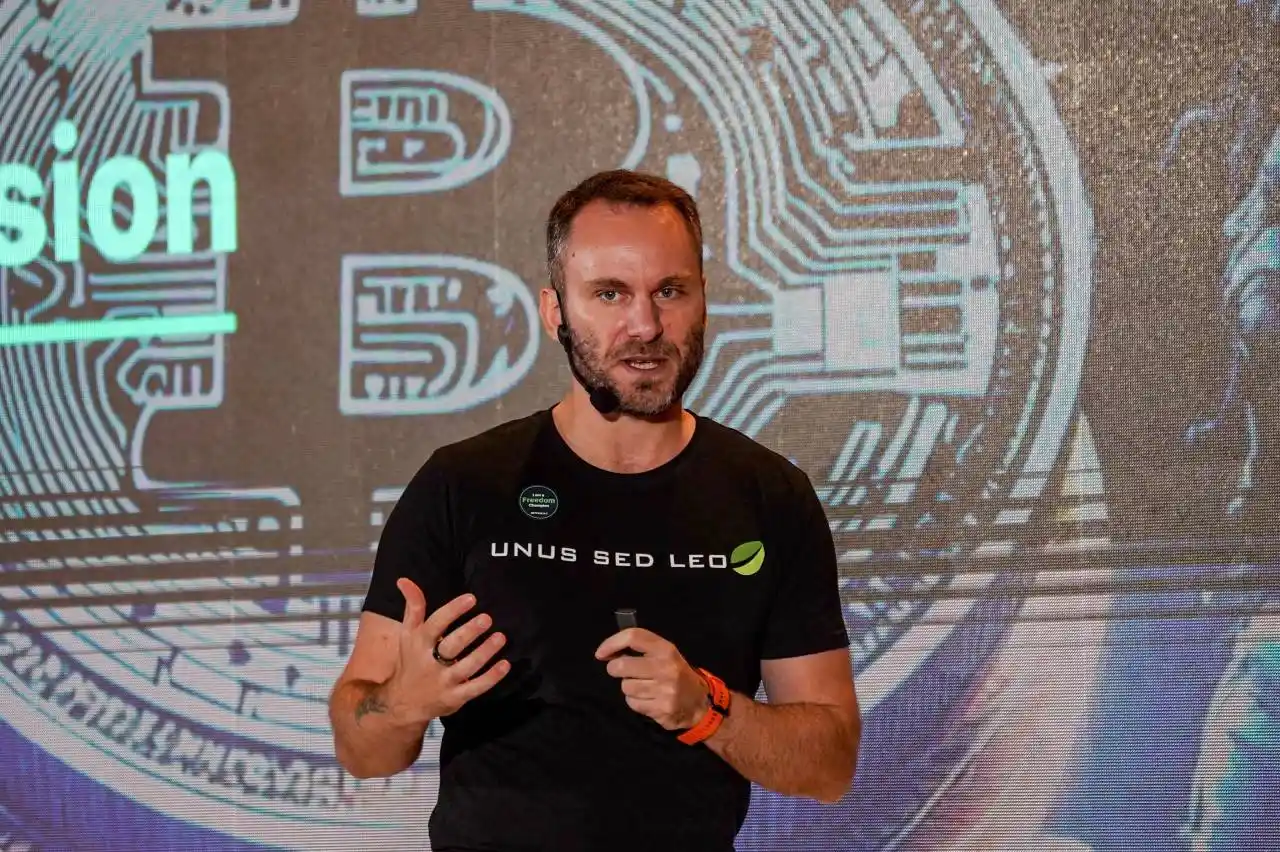
Paolo Ardoino is one of Devasini's main lieutenants and often represents USDT in public.
Launched in 2014, USDT is registered in the British Virgin Islands and aims to address this issue. Traders can convert their real-world currencies into USDT pegged to the dollar and almost instantly convert this stablecoin into other tokens through blockchain.
In Devasini's view, USDT is designed to disrupt traditional finance. His wife is an artist, and in the paintings she exhibits, George Washington on the dollar bill is screaming, as she believes the dollar "no longer holds value."
Allaire's mission, however, is different. This 53-year-old American is a veteran Silicon Valley entrepreneur who served as the Chief Technology Officer at Macromedia, the company that pioneered Flash animation technology. Allaire founded Circle in Boston the year before USDT launched, aiming to create a new financial system for the internet age to improve the inefficient and convoluted bank networks that often lead to issues in international payments.
Hemant Taneja, CEO of the venture capital firm General Catalyst, stated that while most cryptocurrency community members prefer unregulated markets, Allaire's strategy of developing Circle through collaboration with regulatory bodies is "a reverse bet" and ironic.
Taneja and other prominent American investors, including venture capitalist Jim Breyer, known for his early investment in Facebook, have supported Allaire's vision through investments. Goldman Sachs, BlackRock, Fidelity, and cryptocurrency exchange Coinbase later also invested. Allaire remains the largest individual shareholder of Circle.
When Allaire applied for a money transmission license, regulators were skeptical. In this young, untested, and scam-filled industry, he quickly earned the reputation as the "most trustworthy adult in the room." At the end of 2013, Allaire testified before Congress for the first time, urging the United States to take the lead in setting regulatory measures for cryptocurrency to prevent illicit activities.
Breyer said, "When it comes to dealing with high-level politicians in Washington, he is the most skilled person I know."
In 2020, as cryptocurrency transactions moved mainstream, Circle and USDT began to blame each other.
In January of that year, Allaire tweeted, "The biggest feature of USDT is its non-compliance and lack of transparency." He pointed out that USDT had become the choice for those looking to bypass the financial system.
In a letter to U.S. and other authorities, Circle warned of the potential harm to consumers from unregulated stablecoins. In July of the same year, Circle alerted the International Financial Stability Board, responsible for monitoring global finance, referencing an incident from two years prior when a large amount of USDT was seized by authorities in a money laundering investigation, causing it to temporarily lose its peg to the dollar. Circle stated that such stablecoins could pose a problem, rendering consumers' cryptocurrency assets worthless.
Circle touted its transparency and released audited financial statements in 2021. It later engaged the services of Deloitte to audit comprehensive monthly reports covering the U.S. dollar reserves, primarily composed of U.S. Treasury bonds, along with some short-term Treasury loans and cash.
In contrast, USDT's released financial statements are much less detailed and were only made public under New York State regulatory pressure. USDT also includes Bitcoin, commercial paper, gold, and other unspecified investments as supplements to its Treasury reserve.
Information reviewed by The Wall Street Journal showed Devasini complaining to associates about unfair comparisons with Circle. He called USDC a "garbage coin" and stated that due to reputation issues, auditors were reluctant to work with USDT. He also claimed that individuals were spreading rumors about his company online.
Transition to High-Quality Assets
After years of lackluster returns, in 2022, USDT and Circle unexpectedly saw a massive influx of funds. As the Federal Reserve raised interest rates, the U.S. Treasury bond yields held by USDT soared from tens of millions annually to hundreds of millions per quarter.
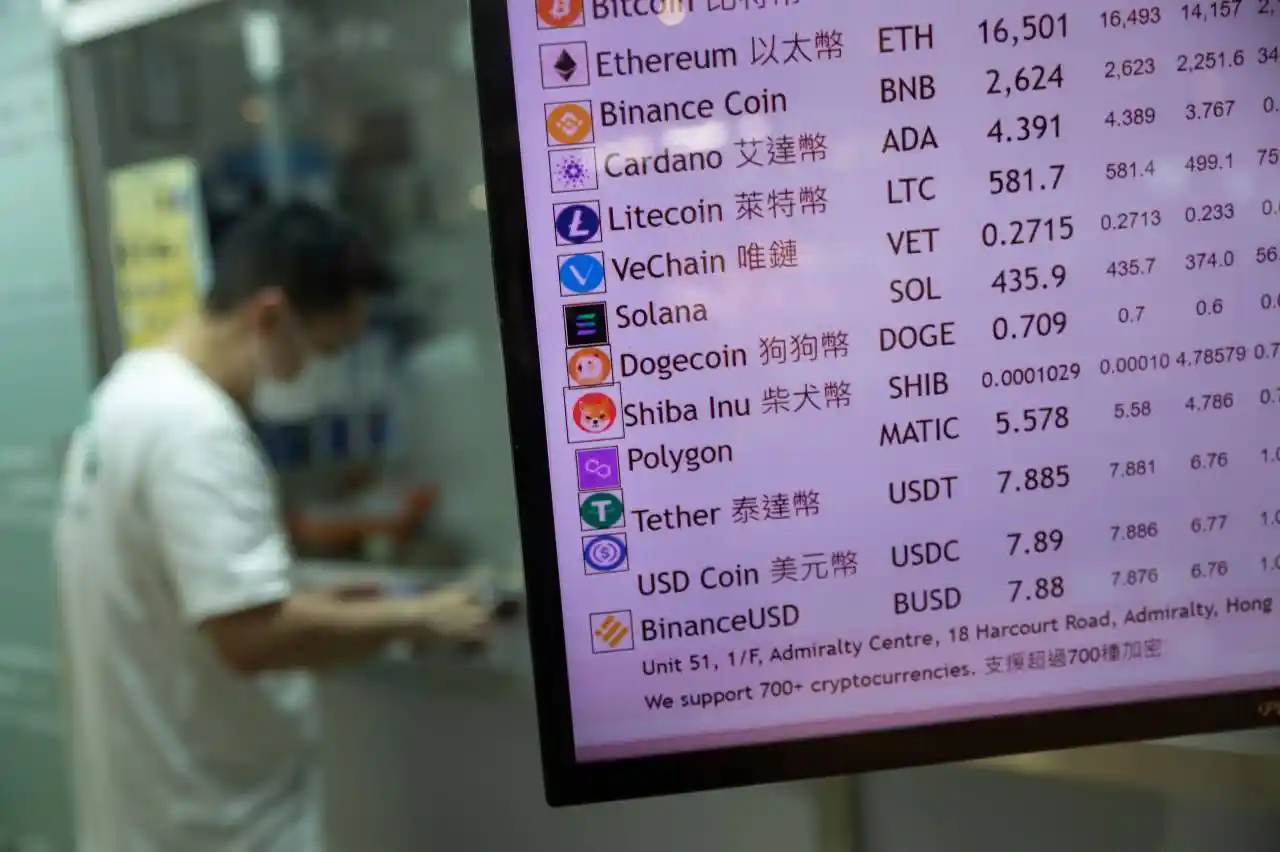
A monitoring screen in Hong Kong displaying the prices of various cryptocurrencies, including USDT and USDC
Devasini barely spent this windfall on himself. He often wore shabby sportswear, a cap with the word "Fool" on it to attend meetings, with a keychain and storage device hanging from his shoulder strap. Nevertheless, he enjoyed boasting to his peers about how much USDT was coming in daily.
He also felt that his newfound wealth made him a target. In December of that year, at a conference in the Bahamas, Devasini told a business partner that he believed USDT posed a threat to the US-led international banking order, and the White House could try to shut down USDT at any time.
Meanwhile, Allaire was deepening his ties to the traditional financial world. By the end of 2022, Circle had most of its reserves held at New York Mellon Bank, the world's largest custodian bank, with some cash stored in other regulated financial institutions. BlackRock managed its US Treasury bond portfolio.
Insiders familiar with USDT revealed that the company was mainly run by Devasini and a small group of outsiders, including the combative Italian computer programmer Ardoino. In contrast, Circle had hundreds of employees and a board of former corporate executives.
As USDC began to catch up with its competitors, Allaire tweeted about "moving towards quality assets," implying that traders were ditching USDT in favor of USDC.
However, when Silicon Valley Bank collapsed in March 2023, Circle found itself in trouble, with over $30 billion of cash reserves trapped. Panicked traders sold off USDC, causing its price to drop to 87 cents.
USDT took advantage of Circle's misfortune, claiming it was unaffected by the Silicon Valley Bank collapse. As traders flocked back to USDT, Ardoino retaliated on Twitter: "Moving to safe assets."
After regulators rescued Silicon Valley Bank, USDC returned to being pegged to the dollar. Over the remaining months of the year, about $20 billion flowed out of USDC.
Ardoino warned that people should "be truly cautious" of stablecoin companies like Circle that hold reserves in uninsured cash deposits, stating that this makes USDC vulnerable during a bank collapse, although a few years earlier, USDT had also experienced a fund seizure event. Allaire stated that Circle needed to keep a small portion of cash reserves outside of New York Mellon Bank and other major global banks to facilitate customer redemptions.
In June of the same year, Allaire petitioned Congress for the passage of a stablecoin bill that would establish strict reserve requirements and allow the issuer to hold cash with the Federal Reserve. He launched a fierce attack on USDT, calling for measures to prohibit the circulation of a digital dollar issued overseas and "not compliant with U.S. regulations." He stated, "Most critically, they are undermining U.S. national interests and security."
He and his deputies traveled around the world—Japan, Singapore, the EU, Brazil—advising governments of other countries to enact stablecoin-related laws and signing agreements with foreign banking partners to enable local Circle company clients to transact directly with regulated institutions.
Progress for Circle Company
Last year, at his home in Lugano, Devasini felt uneasy about the increasingly stringent legal restrictions, stemming from both rising regulatory measures and allegations of USDT's use in criminal activities.
According to Lugano's mayor, Michele Foletti, this Swiss small town was his "safe haven" from the outside world. Devasini often worked in a regular office above a sports bar and dined with Foletti at a restaurant serving bitcoin-themed pasta. Devasini's wife unveiled a sculpture of bitcoin's anonymous founder, Satoshi Nakamoto, in a park by the lake.
Devasini told his associates he would not go to the U.S. In a chat group, he inquired about the fate of Kim Dotcom, the founder of the now-defunct file-sharing site Megaupload, who the U.S. Department of Justice was trying to extradite on piracy charges.
In April 2024, the U.S. Treasury Department specifically stated that USDT was used to fund Russia's war machine. In June, billboards with the slogan "USDT Tied to Corruption" appeared in Washington, D.C., and Times Square in New York. This was part of an advocacy group's campaign aimed at raising awareness of USDT being used by terrorists and drug cartels. The organization referred to USDT's company as the "next FTX."
Devasini believes that Circle is behind this. He told a business partner, "Every attempt to smear USDT has them behind it."
Ardoino later publicly accused USDT's competitors of funding this advocacy group's activities. The organization, named "Consumer Research," has previously launched campaigns against environmental, social, and governance investing, claiming never to disclose the identity of donors.
The Circle company declined to comment on this.
However, according to sources familiar with the discussions, throughout the year 2024, Circle company executives frequently met with senior U.S. Treasury officials and other authorities, highlighting the national security risks posed by USDT. In February of this year, during a congressional hearing, when asked about USDT, Circle company's Senior Policy Director expressed her hope that U.S. authorities would investigate how USDT facilitates "nefarious activities."
These sources indicated that the U.S. Treasury Department is very concerned about the widespread use of USDT by adversaries in the U.S., even considering whether to sanction USDT itself. This would exclude USDT from the U.S. banking system, likely leading to its demise. The Treasury Department also requested new powers from Congress to combat foreign-backed stablecoins, specifically targeting USDT, but these powers were not approved.
In April, U.S. Democratic Senator from New York Kirsten Gillibrand and Republican Senator from Wyoming Cynthia Lummis introduced a bill to ban unregulated stablecoins. At that time, Lummis stated: "If I had to choose, I would choose USDC over USDT."
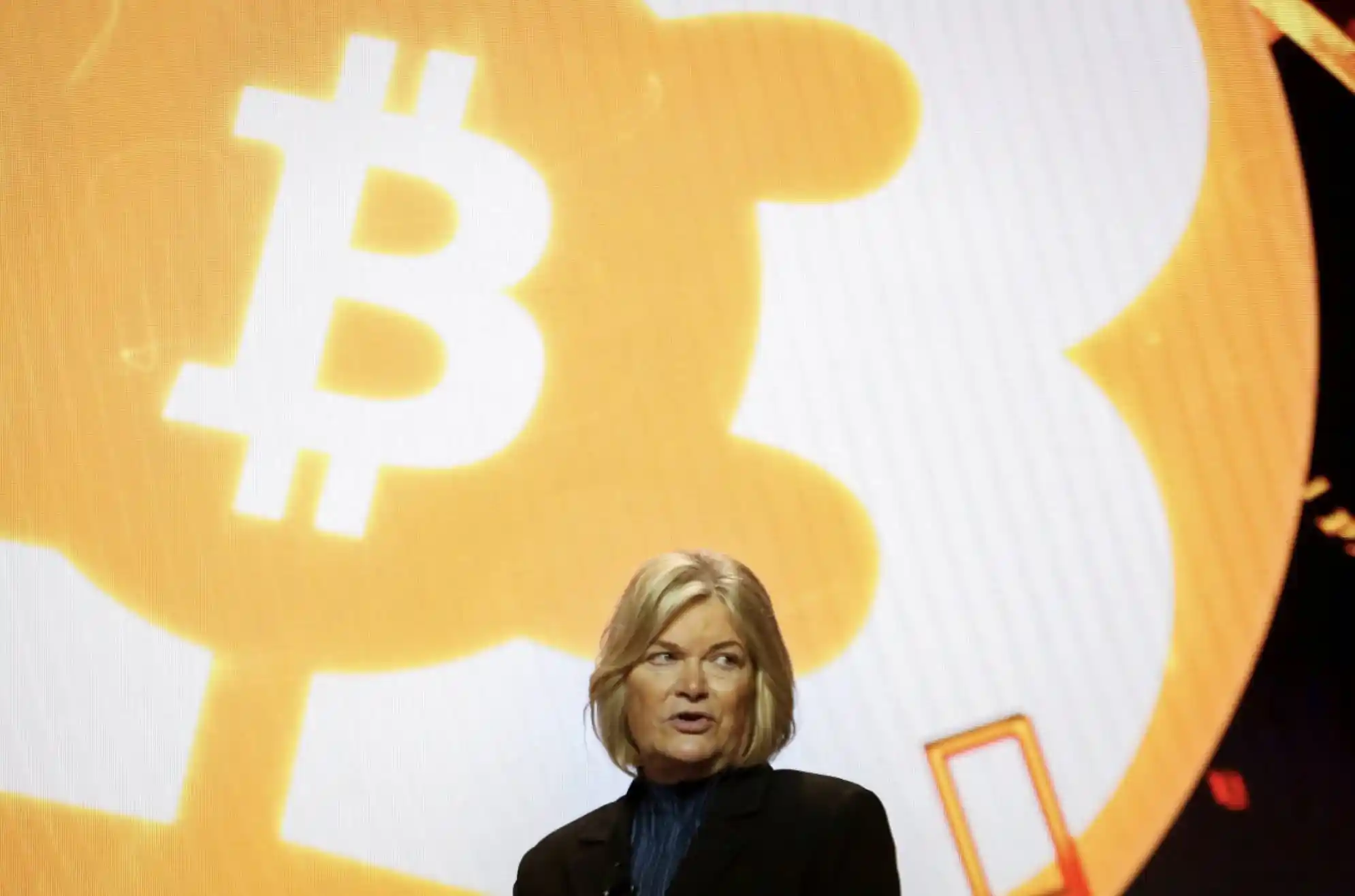
U.S. Senator Cynthia Lummis introduces a bill to regulate cryptocurrency
Under the new regulations, Circle company also obtained a license to operate in the EU region, which requires stablecoin issuers to hold a minimum of 30% cash reserves in local banks. USDT opposed this condition, believing it would increase risks, citing the example of Silicon Valley Bank's collapse. In response, Coinbase and other exchanges delisted USDT in the EU region.
Another victory for the Circle company came in December last year when the world's largest cryptocurrency exchange, Binance, partnered with it to promote the use of USDC. For years, this once-renegade exchange had been a hub for USDT trading. However, at the end of 2023, after admitting to violating U.S. financial crime laws, Binance also sided with Allaire.
New Government
Devasini holds a trump card: Commerce Secretary Lutnick, whose company Cantor Fitzgerald holds U.S. Treasury bond reserves for USDT.
Lutnick personally negotiated a deal to allow Cantor to invest in Tether's parent company through convertible bonds by April 2024. After a meeting with Lutnick the following month in Lugano, Devasini told colleagues that allies of Trump would seek to block any legislation that could harm Tether. Devasini added that Lutnick also dislikes Circle.
The U.S. Department of Commerce did not respond to a request for comment. A Cantor spokesperson declined to comment.
People close to Lutnick said he helped Devasini establish connections with the Trump camp. A month after Trump's victory, Tether spent $775 million to acquire a stake in the conservative social media platform Rumble, with Cantor handling the transaction. Rumble CEO Chris Pavlovski is a close friend of Donald Trump Jr., who tweeted that Tether is spreading "American freedom."
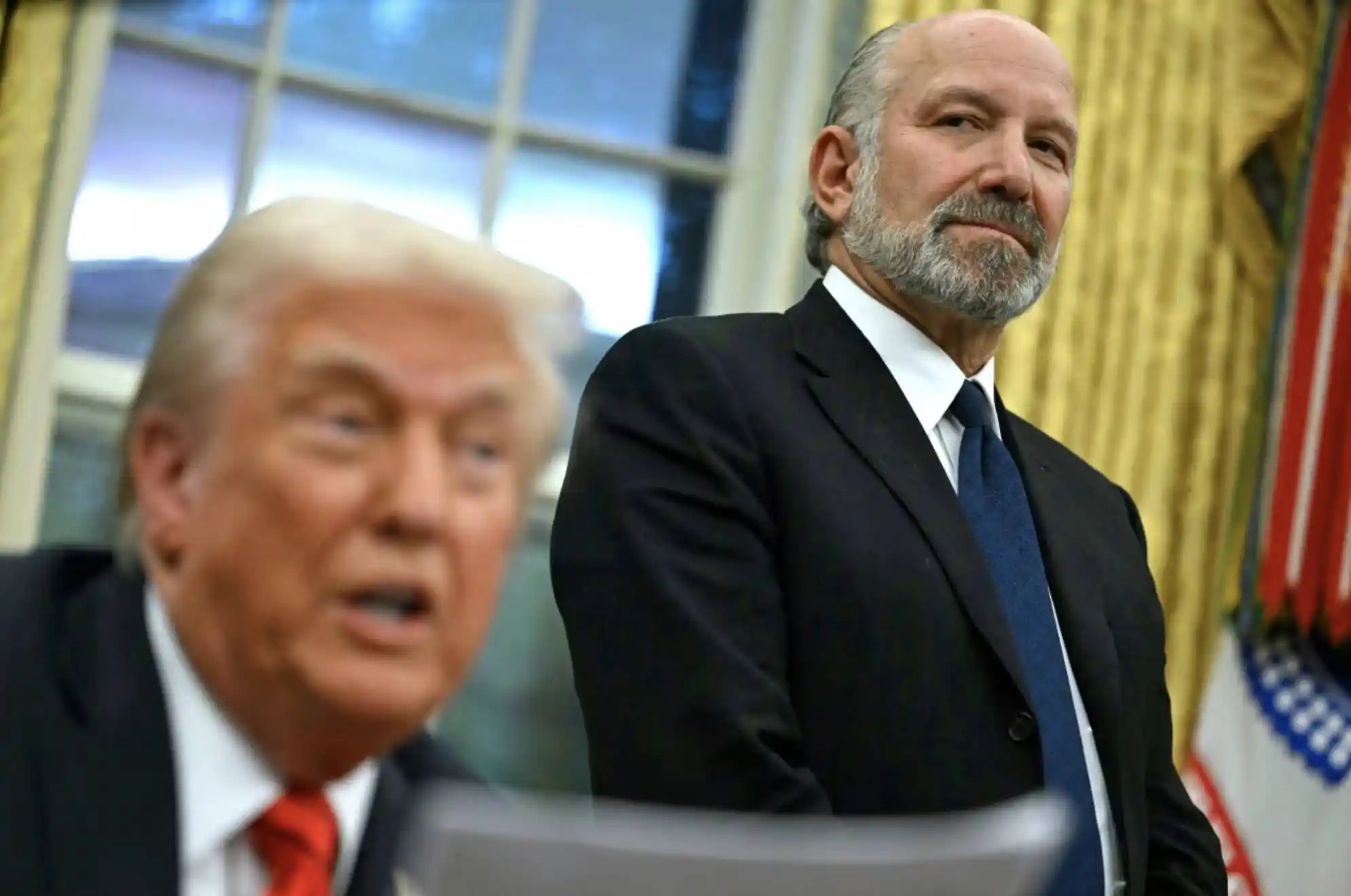
In February of this year, former President Trump met with Howard Lutnick in his office, and a few days later he was appointed Secretary of Commerce
During Lutnick's confirmation hearing, senators pressured him to explain potential conflicts of interest regarding Tether. He claimed that criminals use Tether more than USDC simply because Tether has a larger market. "It's like blaming Apple because criminals use iPhones," he said.
When Democratic Senator Maria Cantwell of Washington asked Lutnick if he would undermine any legislation regulating Tether, Lutnick replied that he had repeatedly expressed his belief that Congress should be careful not to undermine the "dollar hegemony on the blockchain," indicating that Congress should not create overly burdensome legislation for companies like Tether to avoid them losing market share.
He did not commit to refraining from interfering in any federal investigation into Tether, only writing that he would fulfill his duties in accordance with government ethics laws. Regarding his previous discussions with Devasini, Lutnick wrote, "I have never insinuated to anyone that I would do anything improper with Tether."
President Trump has issued an executive order aimed at advancing a "globally legal US dollar stablecoin." The order establishes a President's cryptocurrency working group, which includes Lutnick, to review regulations that should be repealed or amended.
After Lutnick's departure from Cantor, his son Brandon Lutnick was appointed as the company's chairman, with Brandon Lutnick having interned at Tether in Lugano.
Meanwhile, Circle has donated $1 million to a super PAC supporting cryptocurrency-friendly candidates and another $1 million to Trump's inauguration committee.
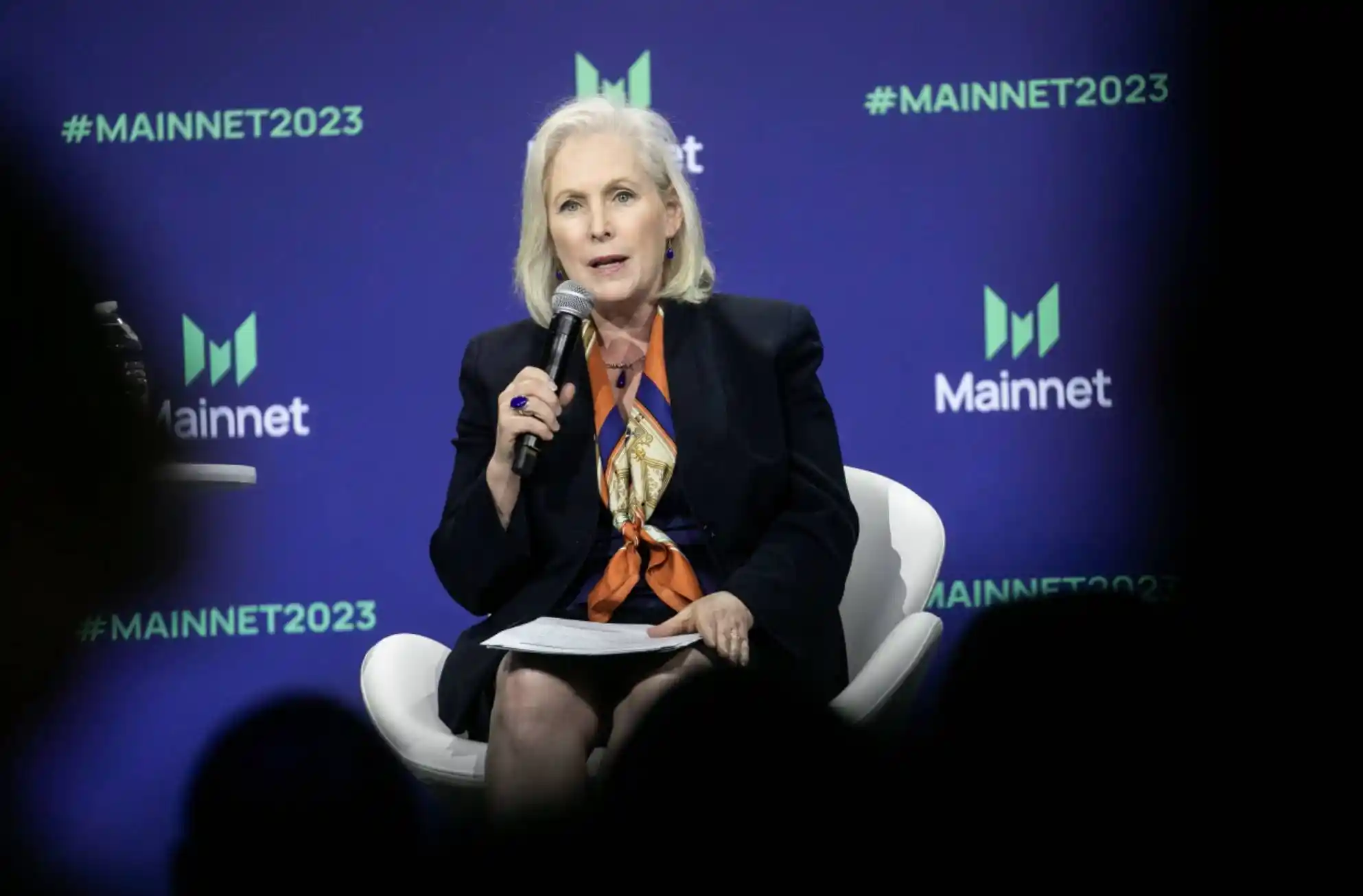
Senator Kirsten Gillibrand has helped introduce a bill that she says will allow legitimate cryptocurrency companies to compete on a level playing field
In February, Lummis and Gillibrand introduced a new stablecoin bill with two Republican senators, openly welcomed by Allaire, and a similar proposal was also made in the House. Gillibrand stated in an interview that this legislation would allow legitimate cryptocurrency companies to compete on a level playing field, "without being disadvantaged or destroyed by bad actors without security standards and transparency."
She stated: "I don't think Tether meets the requirements yet."
Since mid-December, the growth of USDT has slowed down after being delisted from some exchanges.
Circle's stock price has been soaring, and in early February, the total value of USDC finally surpassed pre-Silicon Valley Bank event levels. The company is set to move into its new headquarters at the World Trade Center in New York.
You may also like

Token Cannot Compound, Where Is the Real Investment Opportunity?

February 6th Market Key Intelligence, How Much Did You Miss?

China's Central Bank and Eight Other Departments' Latest Regulatory Focus: Key Attention to RWA Tokenized Asset Risk
Foreword: Today, the People's Bank of China's website published the "Notice of the People's Bank of China, National Development and Reform Commission, Ministry of Industry and Information Technology, Ministry of Public Security, State Administration for Market Regulation, China Banking and Insurance Regulatory Commission, China Securities Regulatory Commission, State Administration of Foreign Exchange on Further Preventing and Dealing with Risks Related to Virtual Currency and Others (Yinfa [2026] No. 42)", the latest regulatory requirements from the eight departments including the central bank, which are basically consistent with the regulatory requirements of recent years. The main focus of the regulation is on speculative activities such as virtual currency trading, exchanges, ICOs, overseas platform services, and this time, regulatory oversight of RWA has been added, explicitly prohibiting RWA tokenization, stablecoins (especially those pegged to the RMB). The following is the full text:
To the people's governments of all provinces, autonomous regions, and municipalities directly under the Central Government, the Xinjiang Production and Construction Corps:
Recently, there have been speculative activities related to virtual currency and Real-World Assets (RWA) tokenization, disrupting the economic and financial order and jeopardizing the property security of the people. In order to further prevent and address the risks related to virtual currency and Real-World Assets tokenization, effectively safeguard national security and social stability, in accordance with the "Law of the People's Republic of China on the People's Bank of China," "Law of the People's Republic of China on Commercial Banks," "Securities Law of the People's Republic of China," "Law of the People's Republic of China on Securities Investment Funds," "Law of the People's Republic of China on Futures and Derivatives," "Cybersecurity Law of the People's Republic of China," "Regulations of the People's Republic of China on the Administration of Renminbi," "Regulations on Prevention and Disposal of Illegal Fundraising," "Regulations of the People's Republic of China on Foreign Exchange Administration," "Telecommunications Regulations of the People's Republic of China," and other provisions, after reaching consensus with the Cyberspace Administration of China, the Supreme People's Court, and the Supreme People's Procuratorate, and with the approval of the State Council, the relevant matters are notified as follows:
(I) Virtual currency does not possess the legal status equivalent to fiat currency. Virtual currencies such as Bitcoin, Ether, Tether, etc., have the main characteristics of being issued by non-monetary authorities, using encryption technology and distributed ledger or similar technology, existing in digital form, etc. They do not have legal tender status, should not and cannot be circulated and used as currency in the market.
The business activities related to virtual currency are classified as illegal financial activities. The exchange of fiat currency and virtual currency within the territory, exchange of virtual currencies, acting as a central counterparty in buying and selling virtual currencies, providing information intermediary and pricing services for virtual currency transactions, token issuance financing, and trading of virtual currency-related financial products, etc., fall under illegal financial activities, such as suspected illegal issuance of token vouchers, unauthorized public issuance of securities, illegal operation of securities and futures business, illegal fundraising, etc., are strictly prohibited across the board and resolutely banned in accordance with the law. Overseas entities and individuals are not allowed to provide virtual currency-related services to domestic entities in any form.
A stablecoin pegged to a fiat currency indirectly fulfills some functions of the fiat currency in circulation. Without the consent of relevant authorities in accordance with the law and regulations, any domestic or foreign entity or individual is not allowed to issue a RMB-pegged stablecoin overseas.
(II)Tokenization of Real-World Assets refers to the use of encryption technology and distributed ledger or similar technologies to transform ownership rights, income rights, etc., of assets into tokens (tokens) or other interests or bond certificates with token (token) characteristics, and carry out issuance and trading activities.
Engaging in the tokenization of real-world assets domestically, as well as providing related intermediary, information technology services, etc., which are suspected of illegal issuance of token vouchers, unauthorized public offering of securities, illegal operation of securities and futures business, illegal fundraising, and other illegal financial activities, shall be prohibited; except for relevant business activities carried out with the approval of the competent authorities in accordance with the law and regulations and relying on specific financial infrastructures. Overseas entities and individuals are not allowed to illegally provide services related to the tokenization of real-world assets to domestic entities in any form.
(III) Inter-agency Coordination. The People's Bank of China, together with the National Development and Reform Commission, the Ministry of Industry and Information Technology, the Ministry of Public Security, the State Administration for Market Regulation, the China Banking and Insurance Regulatory Commission, the China Securities Regulatory Commission, the State Administration of Foreign Exchange, and other departments, will improve the work mechanism, strengthen coordination with the Cyberspace Administration of China, the Supreme People's Court, and the Supreme People's Procuratorate, coordinate efforts, and overall guide regions to carry out risk prevention and disposal of virtual currency-related illegal financial activities.
The China Securities Regulatory Commission, together with the National Development and Reform Commission, the Ministry of Industry and Information Technology, the Ministry of Public Security, the People's Bank of China, the State Administration for Market Regulation, the China Banking and Insurance Regulatory Commission, the State Administration of Foreign Exchange, and other departments, will improve the work mechanism, strengthen coordination with the Cyberspace Administration of China, the Supreme People's Court, and the Supreme People's Procuratorate, coordinate efforts, and overall guide regions to carry out risk prevention and disposal of illegal financial activities related to the tokenization of real-world assets.
(IV) Strengthening Local Implementation. The people's governments at the provincial level are overall responsible for the prevention and disposal of risks related to virtual currencies and the tokenization of real-world assets in their respective administrative regions. The specific leading department is the local financial regulatory department, with participation from branches and dispatched institutions of the State Council's financial regulatory department, telecommunications regulators, public security, market supervision, and other departments, in coordination with cyberspace departments, courts, and procuratorates, to improve the normalization of the work mechanism, effectively connect with the relevant work mechanisms of central departments, form a cooperative and coordinated working pattern between central and local governments, effectively prevent and properly handle risks related to virtual currencies and the tokenization of real-world assets, and maintain economic and financial order and social stability.
(5) Enhanced Risk Monitoring. The People's Bank of China, China Securities Regulatory Commission, National Development and Reform Commission, Ministry of Industry and Information Technology, Ministry of Public Security, State Administration of Foreign Exchange, Cyberspace Administration of China, and other departments continue to improve monitoring techniques and system support, enhance cross-departmental data analysis and sharing, establish sound information sharing and cross-validation mechanisms, promptly grasp the risk situation of activities related to virtual currency and real-world asset tokenization. Local governments at all levels give full play to the role of local monitoring and early warning mechanisms. Local financial regulatory authorities, together with branches and agencies of the State Council's financial regulatory authorities, as well as departments of cyberspace and public security, ensure effective connection between online monitoring, offline investigation, and fund tracking, efficiently and accurately identify activities related to virtual currency and real-world asset tokenization, promptly share risk information, improve early warning information dissemination, verification, and rapid response mechanisms.
(6) Strengthened Oversight of Financial Institutions, Intermediaries, and Technology Service Providers. Financial institutions (including non-bank payment institutions) are prohibited from providing account opening, fund transfer, and clearing services for virtual currency-related business activities, issuing and selling financial products related to virtual currency, including virtual currency and related financial products in the scope of collateral, conducting insurance business related to virtual currency, or including virtual currency in the scope of insurance liability. Financial institutions (including non-bank payment institutions) are prohibited from providing custody, clearing, and settlement services for unauthorized real-world asset tokenization-related business and related financial products. Relevant intermediary institutions and information technology service providers are prohibited from providing intermediary, technical, or other services for unauthorized real-world asset tokenization-related businesses and related financial products.
(7) Enhanced Management of Internet Information Content and Access. Internet enterprises are prohibited from providing online business venues, commercial displays, marketing, advertising, or paid traffic diversion services for virtual currency and real-world asset tokenization-related business activities. Upon discovering clues of illegal activities, they should promptly report to relevant departments and provide technical support and assistance for related investigations and inquiries. Based on the clues transferred by the financial regulatory authorities, the cyberspace administration, telecommunications authorities, and public security departments should promptly close and deal with websites, mobile applications (including mini-programs), and public accounts engaged in virtual currency and real-world asset tokenization-related business activities in accordance with the law.
(8) Strengthened Entity Registration and Advertisement Management. Market supervision departments strengthen entity registration and management, and enterprise and individual business registrations must not contain terms such as "virtual currency," "virtual asset," "cryptocurrency," "crypto asset," "stablecoin," "real-world asset tokenization," or "RWA" in their names or business scopes. Market supervision departments, together with financial regulatory authorities, legally enhance the supervision of advertisements related to virtual currency and real-world asset tokenization, promptly investigating and handling relevant illegal advertisements.
(IX) Continued Rectification of Virtual Currency Mining Activities. The National Development and Reform Commission, together with relevant departments, strictly controls virtual currency mining activities, continuously promotes the rectification of virtual currency mining activities. The people's governments of various provinces take overall responsibility for the rectification of "mining" within their respective administrative regions. In accordance with the requirements of the National Development and Reform Commission and other departments in the "Notice on the Rectification of Virtual Currency Mining Activities" (NDRC Energy-saving Building [2021] No. 1283) and the provisions of the "Guidance Catalog for Industrial Structure Adjustment (2024 Edition)," a comprehensive review, investigation, and closure of existing virtual currency mining projects are conducted, new mining projects are strictly prohibited, and mining machine production enterprises are strictly prohibited from providing mining machine sales and other services within the country.
(X) Severe Crackdown on Related Illegal Financial Activities. Upon discovering clues to illegal financial activities related to virtual currency and the tokenization of real-world assets, local financial regulatory authorities, branches of the State Council's financial regulatory authorities, and other relevant departments promptly investigate, determine, and properly handle the issues in accordance with the law, and seriously hold the relevant entities and individuals legally responsible. Those suspected of crimes are transferred to the judicial authorities for processing according to the law.
(XI) Severe Crackdown on Related Illegal and Criminal Activities. The Ministry of Public Security, the People's Bank of China, the State Administration for Market Regulation, the China Banking and Insurance Regulatory Commission, the China Securities Regulatory Commission, as well as judicial and procuratorial organs, in accordance with their respective responsibilities, rigorously crack down on illegal and criminal activities related to virtual currency, the tokenization of real-world assets, such as fraud, money laundering, illegal business operations, pyramid schemes, illegal fundraising, and other illegal and criminal activities carried out under the guise of virtual currency, the tokenization of real-world assets, etc.
(XII) Strengthen Industry Self-discipline. Relevant industry associations should enhance membership management and policy advocacy, based on their own responsibilities, advocate and urge member units to resist illegal financial activities related to virtual currency and the tokenization of real-world assets. Member units that violate regulatory policies and industry self-discipline rules are to be disciplined in accordance with relevant self-regulatory management regulations. By leveraging various industry infrastructure, conduct risk monitoring related to virtual currency, the tokenization of real-world assets, and promptly transfer issue clues to relevant departments.
(XIII) Without the approval of relevant departments in accordance with the law and regulations, domestic entities and foreign entities controlled by them may not issue virtual currency overseas.
(XIV) Domestic entities engaging directly or indirectly in overseas external debt-based tokenization of real-world assets, or conducting asset securitization activities abroad based on domestic ownership rights, income rights, etc. (hereinafter referred to as domestic equity), should be strictly regulated in accordance with the principles of "same business, same risk, same rules." The National Development and Reform Commission, the China Securities Regulatory Commission, the State Administration of Foreign Exchange, and other relevant departments regulate it according to their respective responsibilities. For other forms of overseas real-world asset tokenization activities based on domestic equity by domestic entities, the China Securities Regulatory Commission, together with relevant departments, supervise according to their division of responsibilities. Without the consent and filing of relevant departments, no unit or individual may engage in the above-mentioned business.
(15) Overseas subsidiaries and branches of domestic financial institutions providing Real World Asset Tokenization-related services overseas shall do so legally and prudently. They shall have professional personnel and systems in place to effectively mitigate business risks, strictly implement customer onboarding, suitability management, anti-money laundering requirements, and incorporate them into the domestic financial institutions' compliance and risk management system. Intermediaries and information technology service providers offering Real World Asset Tokenization services abroad based on domestic equity or conducting Real World Asset Tokenization business in the form of overseas debt for domestic entities directly or indirectly venturing abroad must strictly comply with relevant laws and regulations. They should establish and improve relevant compliance and internal control systems in accordance with relevant normative requirements, strengthen business and risk control, and report the business developments to the relevant regulatory authorities for approval or filing.
(16) Strengthen organizational leadership and overall coordination. All departments and regions should attach great importance to the prevention of risks related to virtual currencies and Real World Asset Tokenization, strengthen organizational leadership, clarify work responsibilities, form a long-term effective working mechanism with centralized coordination, local implementation, and shared responsibilities, maintain high pressure, dynamically monitor risks, effectively prevent and mitigate risks in an orderly and efficient manner, legally protect the property security of the people, and make every effort to maintain economic and financial order and social stability.
(17) Widely carry out publicity and education. All departments, regions, and industry associations should make full use of various media and other communication channels to disseminate information through legal and policy interpretation, analysis of typical cases, and education on investment risks, etc. They should promote the illegality and harm of virtual currencies and Real World Asset Tokenization-related businesses and their manifestations, fully alert to potential risks and hidden dangers, and enhance public awareness and identification capabilities for risk prevention.
(18) Engaging in illegal financial activities related to virtual currencies and Real World Asset Tokenization in violation of this notice, as well as providing services for virtual currencies and Real World Asset Tokenization-related businesses, shall be punished in accordance with relevant regulations. If it constitutes a crime, criminal liability shall be pursued according to the law. For domestic entities and individuals who knowingly or should have known that overseas entities illegally provided virtual currency or Real World Asset Tokenization-related services to domestic entities and still assisted them, relevant responsibilities shall be pursued according to the law. If it constitutes a crime, criminal liability shall be pursued according to the law.
(19) If any unit or individual invests in virtual currencies, Real World Asset Tokens, and related financial products against public order and good customs, the relevant civil legal actions shall be invalid, and any resulting losses shall be borne by them. If there are suspicions of disrupting financial order and jeopardizing financial security, the relevant departments shall deal with them according to the law.
This notice shall enter into force upon the date of its issuance. The People's Bank of China and ten other departments' "Notice on Further Preventing and Dealing with the Risks of Virtual Currency Trading Speculation" (Yinfa [2021] No. 237) is hereby repealed.

Former Partner's Perspective on Multicoin: Kyle's Exit, But the Game He Left Behind Just Getting Started
Why Bitcoin Is Falling Now: The Real Reasons Behind BTC's Crash & WEEX's Smart Profit Playbook
Bitcoin's ongoing crash explained: Discover the 5 hidden triggers behind BTC's plunge & how WEEX's Auto Earn and Trade to Earn strategies help traders profit from crypto market volatility.

Wall Street's Hottest Trades See Exodus

Vitalik Discusses Ethereum Scaling Path, Circle Announces Partnership with Polymarket, What's the Overseas Crypto Community Talking About Today?

Believing in the Capital Markets - The Essence and Core Value of Cryptocurrency

Polymarket's 'Weatherman': Predict Temperature, Win Million-Dollar Payout
$15K+ Profits: The 4 AI Trading Secrets WEEX Hackathon Prelim Winners Used to Dominate Volatile Crypto Markets
How WEEX Hackathon's top AI trading strategies made $15K+ in crypto markets: 4 proven rules for ETH/BTC trading, market structure analysis, and risk management in volatile conditions.

A nearly 20% one-day plunge, how long has it been since you last saw a $60,000 Bitcoin?

Raoul Pal: I've seen every single panic, and they are never the end.

Key Market Information Discrepancy on February 6th - A Must-Read! | Alpha Morning Report

2026 Crypto Industry's First Snowfall

The Harsh Reality Behind the $26 Billion Crypto Liquidation: Liquidity Is Killing the Market

Why Is Gold, US Stocks, Bitcoin All Falling?

Key Market Intelligence for February 5th, how much did you miss out on?

Wintermute: By 2026, crypto had gradually become the settlement layer of the Internet economy
Token Cannot Compound, Where Is the Real Investment Opportunity?
February 6th Market Key Intelligence, How Much Did You Miss?
China's Central Bank and Eight Other Departments' Latest Regulatory Focus: Key Attention to RWA Tokenized Asset Risk
Foreword: Today, the People's Bank of China's website published the "Notice of the People's Bank of China, National Development and Reform Commission, Ministry of Industry and Information Technology, Ministry of Public Security, State Administration for Market Regulation, China Banking and Insurance Regulatory Commission, China Securities Regulatory Commission, State Administration of Foreign Exchange on Further Preventing and Dealing with Risks Related to Virtual Currency and Others (Yinfa [2026] No. 42)", the latest regulatory requirements from the eight departments including the central bank, which are basically consistent with the regulatory requirements of recent years. The main focus of the regulation is on speculative activities such as virtual currency trading, exchanges, ICOs, overseas platform services, and this time, regulatory oversight of RWA has been added, explicitly prohibiting RWA tokenization, stablecoins (especially those pegged to the RMB). The following is the full text:
To the people's governments of all provinces, autonomous regions, and municipalities directly under the Central Government, the Xinjiang Production and Construction Corps:
Recently, there have been speculative activities related to virtual currency and Real-World Assets (RWA) tokenization, disrupting the economic and financial order and jeopardizing the property security of the people. In order to further prevent and address the risks related to virtual currency and Real-World Assets tokenization, effectively safeguard national security and social stability, in accordance with the "Law of the People's Republic of China on the People's Bank of China," "Law of the People's Republic of China on Commercial Banks," "Securities Law of the People's Republic of China," "Law of the People's Republic of China on Securities Investment Funds," "Law of the People's Republic of China on Futures and Derivatives," "Cybersecurity Law of the People's Republic of China," "Regulations of the People's Republic of China on the Administration of Renminbi," "Regulations on Prevention and Disposal of Illegal Fundraising," "Regulations of the People's Republic of China on Foreign Exchange Administration," "Telecommunications Regulations of the People's Republic of China," and other provisions, after reaching consensus with the Cyberspace Administration of China, the Supreme People's Court, and the Supreme People's Procuratorate, and with the approval of the State Council, the relevant matters are notified as follows:
(I) Virtual currency does not possess the legal status equivalent to fiat currency. Virtual currencies such as Bitcoin, Ether, Tether, etc., have the main characteristics of being issued by non-monetary authorities, using encryption technology and distributed ledger or similar technology, existing in digital form, etc. They do not have legal tender status, should not and cannot be circulated and used as currency in the market.
The business activities related to virtual currency are classified as illegal financial activities. The exchange of fiat currency and virtual currency within the territory, exchange of virtual currencies, acting as a central counterparty in buying and selling virtual currencies, providing information intermediary and pricing services for virtual currency transactions, token issuance financing, and trading of virtual currency-related financial products, etc., fall under illegal financial activities, such as suspected illegal issuance of token vouchers, unauthorized public issuance of securities, illegal operation of securities and futures business, illegal fundraising, etc., are strictly prohibited across the board and resolutely banned in accordance with the law. Overseas entities and individuals are not allowed to provide virtual currency-related services to domestic entities in any form.
A stablecoin pegged to a fiat currency indirectly fulfills some functions of the fiat currency in circulation. Without the consent of relevant authorities in accordance with the law and regulations, any domestic or foreign entity or individual is not allowed to issue a RMB-pegged stablecoin overseas.
(II)Tokenization of Real-World Assets refers to the use of encryption technology and distributed ledger or similar technologies to transform ownership rights, income rights, etc., of assets into tokens (tokens) or other interests or bond certificates with token (token) characteristics, and carry out issuance and trading activities.
Engaging in the tokenization of real-world assets domestically, as well as providing related intermediary, information technology services, etc., which are suspected of illegal issuance of token vouchers, unauthorized public offering of securities, illegal operation of securities and futures business, illegal fundraising, and other illegal financial activities, shall be prohibited; except for relevant business activities carried out with the approval of the competent authorities in accordance with the law and regulations and relying on specific financial infrastructures. Overseas entities and individuals are not allowed to illegally provide services related to the tokenization of real-world assets to domestic entities in any form.
(III) Inter-agency Coordination. The People's Bank of China, together with the National Development and Reform Commission, the Ministry of Industry and Information Technology, the Ministry of Public Security, the State Administration for Market Regulation, the China Banking and Insurance Regulatory Commission, the China Securities Regulatory Commission, the State Administration of Foreign Exchange, and other departments, will improve the work mechanism, strengthen coordination with the Cyberspace Administration of China, the Supreme People's Court, and the Supreme People's Procuratorate, coordinate efforts, and overall guide regions to carry out risk prevention and disposal of virtual currency-related illegal financial activities.
The China Securities Regulatory Commission, together with the National Development and Reform Commission, the Ministry of Industry and Information Technology, the Ministry of Public Security, the People's Bank of China, the State Administration for Market Regulation, the China Banking and Insurance Regulatory Commission, the State Administration of Foreign Exchange, and other departments, will improve the work mechanism, strengthen coordination with the Cyberspace Administration of China, the Supreme People's Court, and the Supreme People's Procuratorate, coordinate efforts, and overall guide regions to carry out risk prevention and disposal of illegal financial activities related to the tokenization of real-world assets.
(IV) Strengthening Local Implementation. The people's governments at the provincial level are overall responsible for the prevention and disposal of risks related to virtual currencies and the tokenization of real-world assets in their respective administrative regions. The specific leading department is the local financial regulatory department, with participation from branches and dispatched institutions of the State Council's financial regulatory department, telecommunications regulators, public security, market supervision, and other departments, in coordination with cyberspace departments, courts, and procuratorates, to improve the normalization of the work mechanism, effectively connect with the relevant work mechanisms of central departments, form a cooperative and coordinated working pattern between central and local governments, effectively prevent and properly handle risks related to virtual currencies and the tokenization of real-world assets, and maintain economic and financial order and social stability.
(5) Enhanced Risk Monitoring. The People's Bank of China, China Securities Regulatory Commission, National Development and Reform Commission, Ministry of Industry and Information Technology, Ministry of Public Security, State Administration of Foreign Exchange, Cyberspace Administration of China, and other departments continue to improve monitoring techniques and system support, enhance cross-departmental data analysis and sharing, establish sound information sharing and cross-validation mechanisms, promptly grasp the risk situation of activities related to virtual currency and real-world asset tokenization. Local governments at all levels give full play to the role of local monitoring and early warning mechanisms. Local financial regulatory authorities, together with branches and agencies of the State Council's financial regulatory authorities, as well as departments of cyberspace and public security, ensure effective connection between online monitoring, offline investigation, and fund tracking, efficiently and accurately identify activities related to virtual currency and real-world asset tokenization, promptly share risk information, improve early warning information dissemination, verification, and rapid response mechanisms.
(6) Strengthened Oversight of Financial Institutions, Intermediaries, and Technology Service Providers. Financial institutions (including non-bank payment institutions) are prohibited from providing account opening, fund transfer, and clearing services for virtual currency-related business activities, issuing and selling financial products related to virtual currency, including virtual currency and related financial products in the scope of collateral, conducting insurance business related to virtual currency, or including virtual currency in the scope of insurance liability. Financial institutions (including non-bank payment institutions) are prohibited from providing custody, clearing, and settlement services for unauthorized real-world asset tokenization-related business and related financial products. Relevant intermediary institutions and information technology service providers are prohibited from providing intermediary, technical, or other services for unauthorized real-world asset tokenization-related businesses and related financial products.
(7) Enhanced Management of Internet Information Content and Access. Internet enterprises are prohibited from providing online business venues, commercial displays, marketing, advertising, or paid traffic diversion services for virtual currency and real-world asset tokenization-related business activities. Upon discovering clues of illegal activities, they should promptly report to relevant departments and provide technical support and assistance for related investigations and inquiries. Based on the clues transferred by the financial regulatory authorities, the cyberspace administration, telecommunications authorities, and public security departments should promptly close and deal with websites, mobile applications (including mini-programs), and public accounts engaged in virtual currency and real-world asset tokenization-related business activities in accordance with the law.
(8) Strengthened Entity Registration and Advertisement Management. Market supervision departments strengthen entity registration and management, and enterprise and individual business registrations must not contain terms such as "virtual currency," "virtual asset," "cryptocurrency," "crypto asset," "stablecoin," "real-world asset tokenization," or "RWA" in their names or business scopes. Market supervision departments, together with financial regulatory authorities, legally enhance the supervision of advertisements related to virtual currency and real-world asset tokenization, promptly investigating and handling relevant illegal advertisements.
(IX) Continued Rectification of Virtual Currency Mining Activities. The National Development and Reform Commission, together with relevant departments, strictly controls virtual currency mining activities, continuously promotes the rectification of virtual currency mining activities. The people's governments of various provinces take overall responsibility for the rectification of "mining" within their respective administrative regions. In accordance with the requirements of the National Development and Reform Commission and other departments in the "Notice on the Rectification of Virtual Currency Mining Activities" (NDRC Energy-saving Building [2021] No. 1283) and the provisions of the "Guidance Catalog for Industrial Structure Adjustment (2024 Edition)," a comprehensive review, investigation, and closure of existing virtual currency mining projects are conducted, new mining projects are strictly prohibited, and mining machine production enterprises are strictly prohibited from providing mining machine sales and other services within the country.
(X) Severe Crackdown on Related Illegal Financial Activities. Upon discovering clues to illegal financial activities related to virtual currency and the tokenization of real-world assets, local financial regulatory authorities, branches of the State Council's financial regulatory authorities, and other relevant departments promptly investigate, determine, and properly handle the issues in accordance with the law, and seriously hold the relevant entities and individuals legally responsible. Those suspected of crimes are transferred to the judicial authorities for processing according to the law.
(XI) Severe Crackdown on Related Illegal and Criminal Activities. The Ministry of Public Security, the People's Bank of China, the State Administration for Market Regulation, the China Banking and Insurance Regulatory Commission, the China Securities Regulatory Commission, as well as judicial and procuratorial organs, in accordance with their respective responsibilities, rigorously crack down on illegal and criminal activities related to virtual currency, the tokenization of real-world assets, such as fraud, money laundering, illegal business operations, pyramid schemes, illegal fundraising, and other illegal and criminal activities carried out under the guise of virtual currency, the tokenization of real-world assets, etc.
(XII) Strengthen Industry Self-discipline. Relevant industry associations should enhance membership management and policy advocacy, based on their own responsibilities, advocate and urge member units to resist illegal financial activities related to virtual currency and the tokenization of real-world assets. Member units that violate regulatory policies and industry self-discipline rules are to be disciplined in accordance with relevant self-regulatory management regulations. By leveraging various industry infrastructure, conduct risk monitoring related to virtual currency, the tokenization of real-world assets, and promptly transfer issue clues to relevant departments.
(XIII) Without the approval of relevant departments in accordance with the law and regulations, domestic entities and foreign entities controlled by them may not issue virtual currency overseas.
(XIV) Domestic entities engaging directly or indirectly in overseas external debt-based tokenization of real-world assets, or conducting asset securitization activities abroad based on domestic ownership rights, income rights, etc. (hereinafter referred to as domestic equity), should be strictly regulated in accordance with the principles of "same business, same risk, same rules." The National Development and Reform Commission, the China Securities Regulatory Commission, the State Administration of Foreign Exchange, and other relevant departments regulate it according to their respective responsibilities. For other forms of overseas real-world asset tokenization activities based on domestic equity by domestic entities, the China Securities Regulatory Commission, together with relevant departments, supervise according to their division of responsibilities. Without the consent and filing of relevant departments, no unit or individual may engage in the above-mentioned business.
(15) Overseas subsidiaries and branches of domestic financial institutions providing Real World Asset Tokenization-related services overseas shall do so legally and prudently. They shall have professional personnel and systems in place to effectively mitigate business risks, strictly implement customer onboarding, suitability management, anti-money laundering requirements, and incorporate them into the domestic financial institutions' compliance and risk management system. Intermediaries and information technology service providers offering Real World Asset Tokenization services abroad based on domestic equity or conducting Real World Asset Tokenization business in the form of overseas debt for domestic entities directly or indirectly venturing abroad must strictly comply with relevant laws and regulations. They should establish and improve relevant compliance and internal control systems in accordance with relevant normative requirements, strengthen business and risk control, and report the business developments to the relevant regulatory authorities for approval or filing.
(16) Strengthen organizational leadership and overall coordination. All departments and regions should attach great importance to the prevention of risks related to virtual currencies and Real World Asset Tokenization, strengthen organizational leadership, clarify work responsibilities, form a long-term effective working mechanism with centralized coordination, local implementation, and shared responsibilities, maintain high pressure, dynamically monitor risks, effectively prevent and mitigate risks in an orderly and efficient manner, legally protect the property security of the people, and make every effort to maintain economic and financial order and social stability.
(17) Widely carry out publicity and education. All departments, regions, and industry associations should make full use of various media and other communication channels to disseminate information through legal and policy interpretation, analysis of typical cases, and education on investment risks, etc. They should promote the illegality and harm of virtual currencies and Real World Asset Tokenization-related businesses and their manifestations, fully alert to potential risks and hidden dangers, and enhance public awareness and identification capabilities for risk prevention.
(18) Engaging in illegal financial activities related to virtual currencies and Real World Asset Tokenization in violation of this notice, as well as providing services for virtual currencies and Real World Asset Tokenization-related businesses, shall be punished in accordance with relevant regulations. If it constitutes a crime, criminal liability shall be pursued according to the law. For domestic entities and individuals who knowingly or should have known that overseas entities illegally provided virtual currency or Real World Asset Tokenization-related services to domestic entities and still assisted them, relevant responsibilities shall be pursued according to the law. If it constitutes a crime, criminal liability shall be pursued according to the law.
(19) If any unit or individual invests in virtual currencies, Real World Asset Tokens, and related financial products against public order and good customs, the relevant civil legal actions shall be invalid, and any resulting losses shall be borne by them. If there are suspicions of disrupting financial order and jeopardizing financial security, the relevant departments shall deal with them according to the law.
This notice shall enter into force upon the date of its issuance. The People's Bank of China and ten other departments' "Notice on Further Preventing and Dealing with the Risks of Virtual Currency Trading Speculation" (Yinfa [2021] No. 237) is hereby repealed.
Former Partner's Perspective on Multicoin: Kyle's Exit, But the Game He Left Behind Just Getting Started
Why Bitcoin Is Falling Now: The Real Reasons Behind BTC's Crash & WEEX's Smart Profit Playbook
Bitcoin's ongoing crash explained: Discover the 5 hidden triggers behind BTC's plunge & how WEEX's Auto Earn and Trade to Earn strategies help traders profit from crypto market volatility.